
Designing postcards
PRINCIPLES OF POSTCARD DESIGN DEVELOPMENT AT THE WELOVEBRANDS STUDIO
Attractiveness
The primary outcome we aim for is to capture the attention of the client’s target audience. To achieve this, we use unique graphic elements—along with specific combinations of these elements, colors, and fonts—designed to draw the focus of the right consumer.
Informativeness
For brochures that serve an informational purpose, the design and layout of text materials take on greater significance. If the target audience for the message is more inclined to process visual information, we incorporate infographics.
Variability of sizes
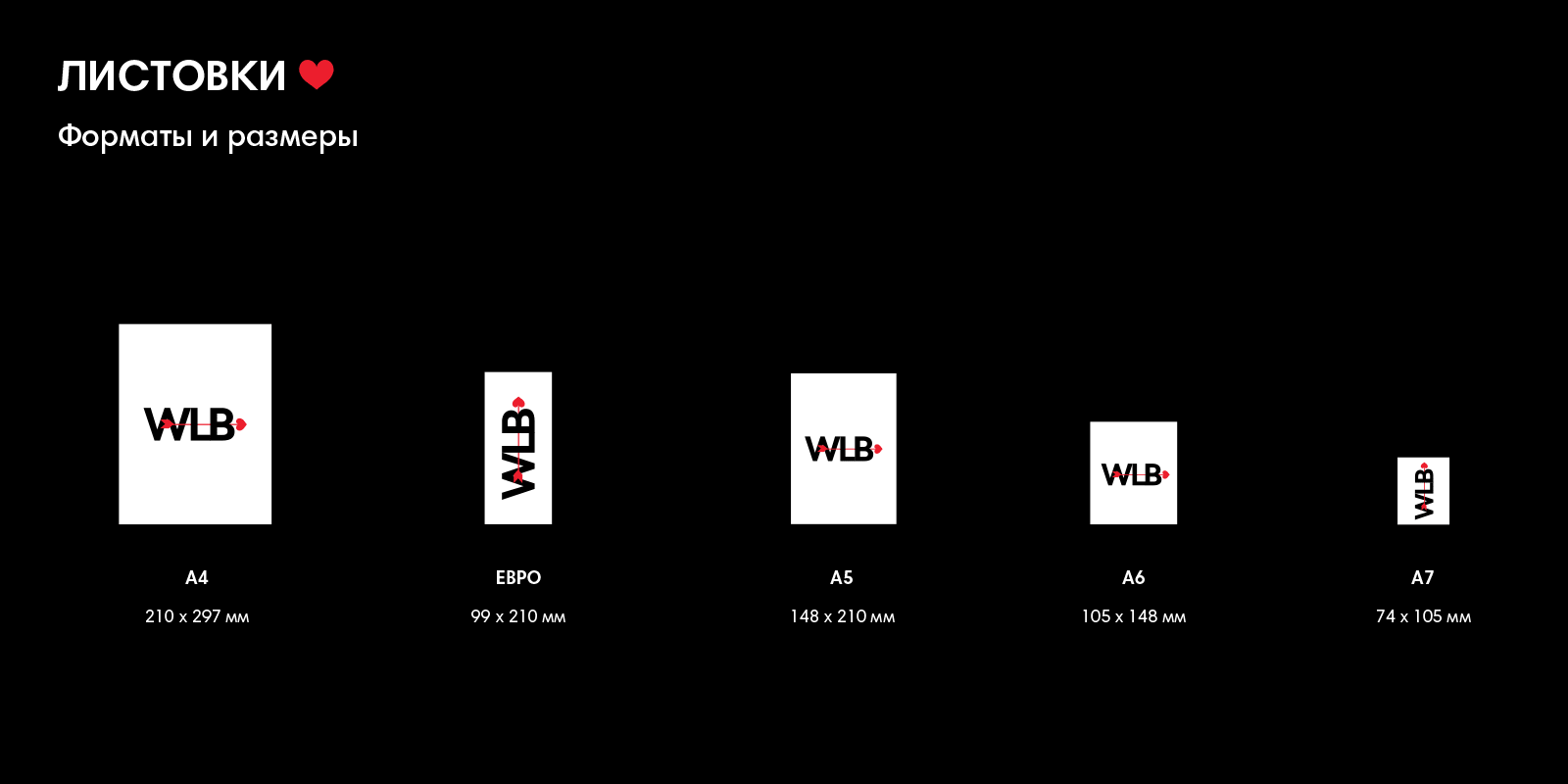
The size of the postcard—whether in a standard or a creative format—is chosen according to the client's wishes. The practical appearance of the postcard serves as the criterion for its distribution.
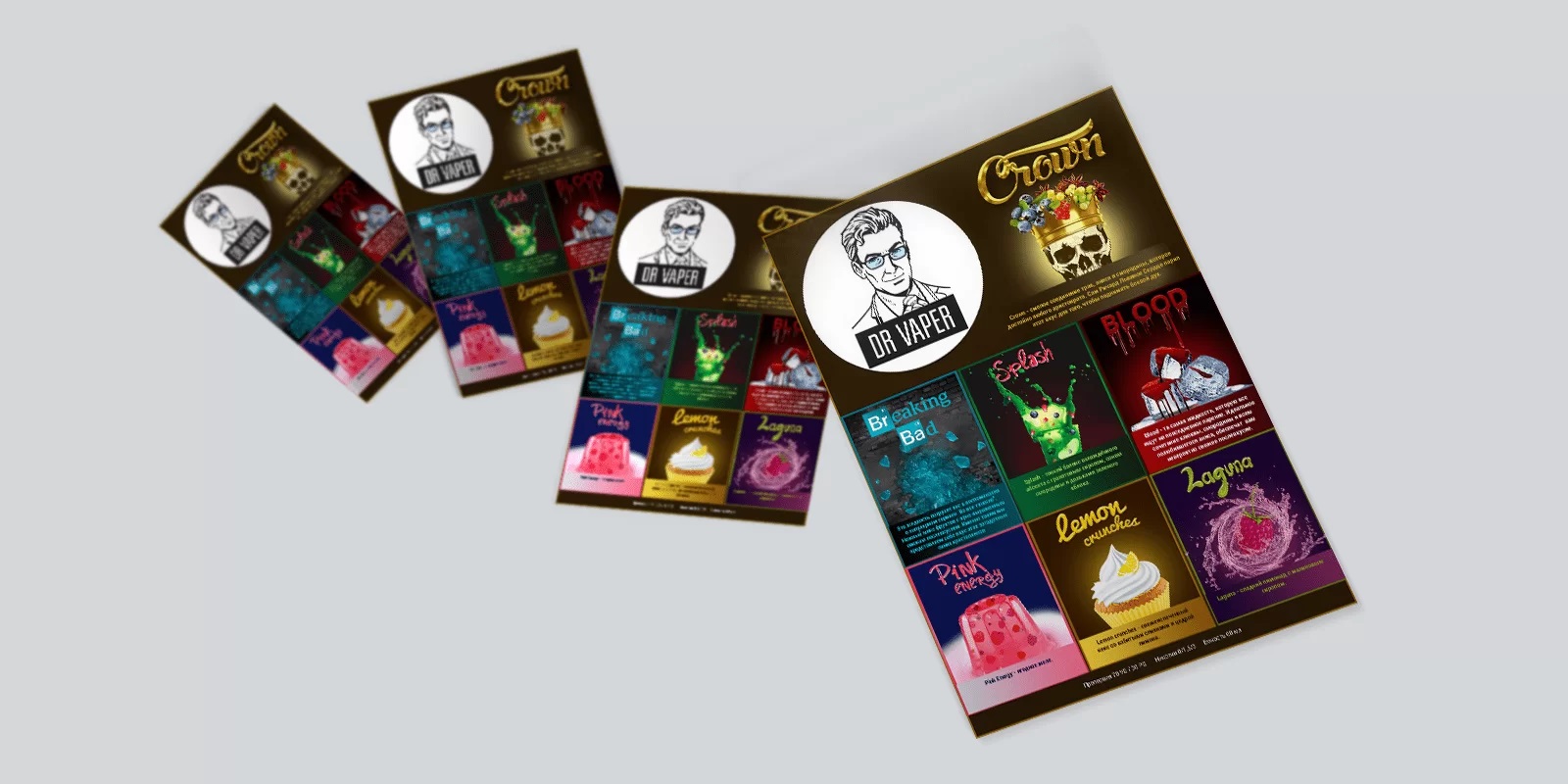
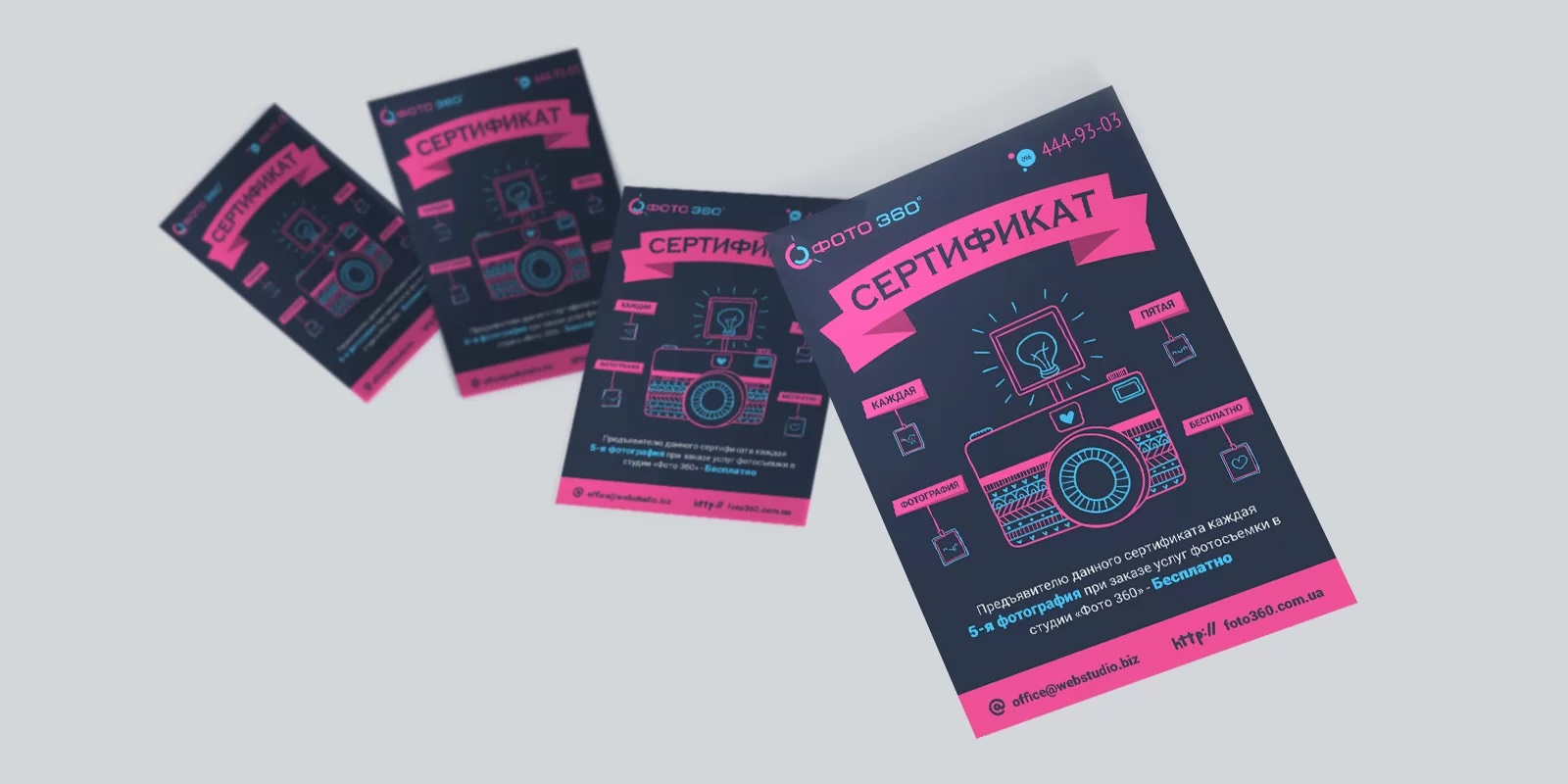
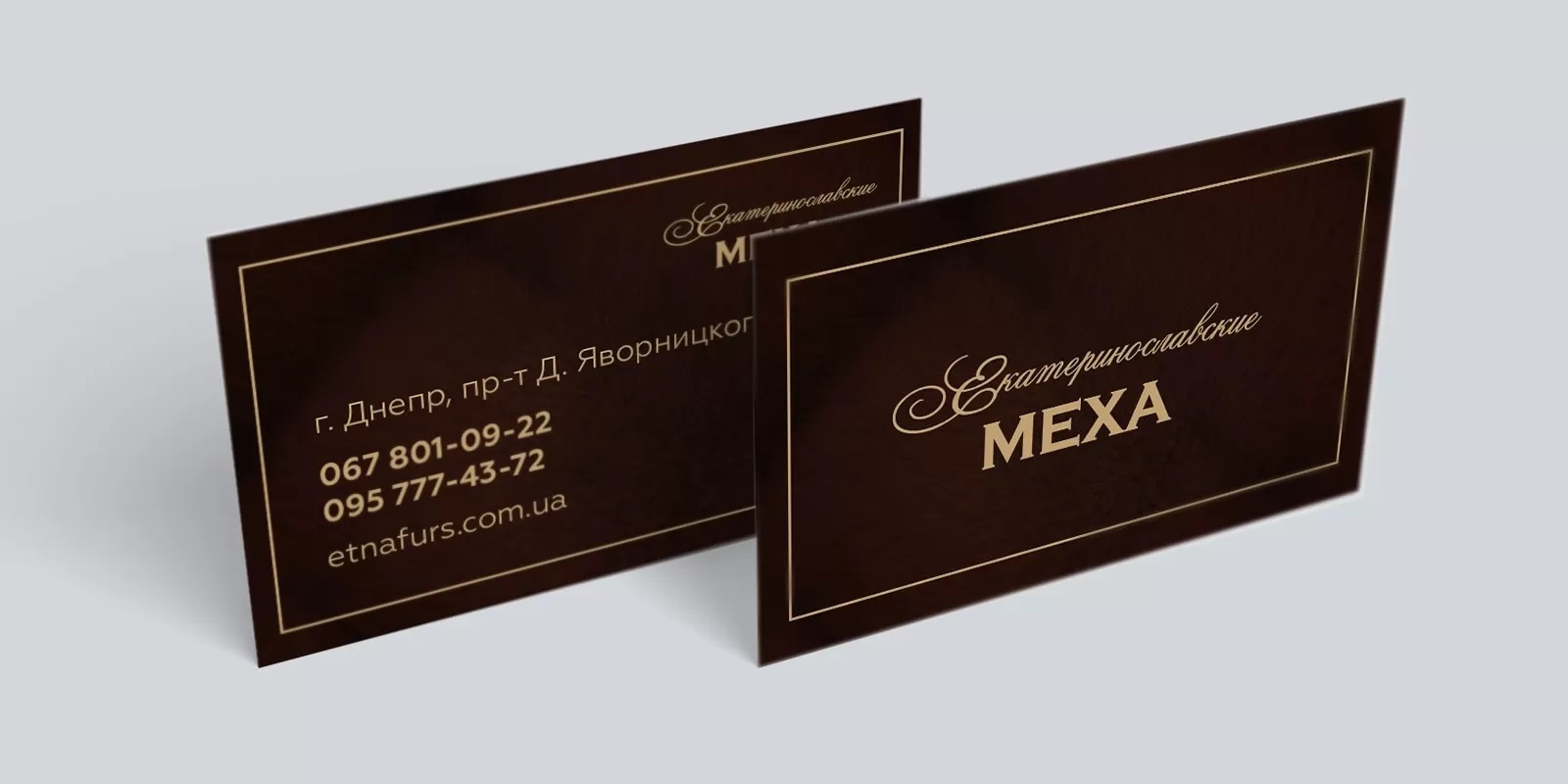

Multiple concepts. Based on the technical specifications you provide, our specialists will develop various design options for postcards.

Recommendations. Thanks to your successful practical experience in the field of design, you are well-qualified to provide expert advice on the design features of flyers.

Reasonable prices. The costs for designing postcards are determined based on the actual time required and the overall complexity of the work.

Adherence to project deadlines. The timeframe for the completion of the project is specified in the bilateral contract for the provision of design services.
The WeLoveBrands team creates stylish flyers and postcards for you in any format at a great price.
Question and Answer
How much does a postcard design cost?
At WeLoveBrands, the cost of postcards is based on the actual time required and the overall complexity of the project.
For example, an A4-format flyer (210 x 297 mm)—suitable for advertising products or services that require a detailed description—costs $56 for a single-sided design or $98 for a double-sided design.
An A5 postcard (148 x 210 mm) is a versatile format, making it ideal for a wide range of promotional activities and a popular choice among clients. These postcards are typically double-sided, with a design cost of $98.
The “Euro-flyer” format (98 x 210 mm) is perfect for direct mail; it fits easily into standard European-sized envelopes and is convenient to carry in a pocket or handbag. These postcards are commonly used for invitations to promotional events, exhibitions, conferences, and other functions. The design cost for a Euro-flyer is $84.
At the branding agency and graphic design studio WeLoveBrands, you can order both standard and creative flyer formats—such as the A6 size (105 x 148 mm), which is ideal for promoting supplementary services. The most important consideration when choosing a format is ensuring the postcard’s design is well-suited for distribution.
What are the important components of a postcard design?
The WeLoveBrands team adheres to the following principles to create the “right” postcard:
- We distill the essence of the promotional offer with your target audience in mind. The core message should be clear and engaging at first glance, sparking the interest of potential customers. If the audience is more responsive to visual information, we incorporate infographics.
- Our flyers feature vibrant illustrations. We prioritize effective design while avoiding costly printing processes. We introduce unique graphic elements and combinations, utilizing colors and fonts specifically chosen to capture the attention of the intended viewer.
- We use simple, clear text. With a maximum of six words per sentence, a positive tone, and answers to key questions, we ensure the information is both accessible and memorable.
- We keep our postcards compact and use large text, ensuring the content is easily readable under any circumstances—even while on the move.
- We ensure the flyer provides value to the recipient. By including compelling offers—such as discount coupons or event invitations—we effectively capture the attention and interest of potential customers.
Ultimately, the core components of any postcard are its textual and visual content.
What are the main elements that should be on the postcard?
In addition to an appealing design and an engaging concept, every promotional card should include specific components that significantly boost its effectiveness. Let’s list them.
The first element is a descriptor. This consists of your company name and a brief description of what you do, answering the questions: Who are we? What do we do? Where can you find us?
The second element is an offer—a special proposition designed to prompt the customer to consider making a purchase.
The third element is a visual—an image that clearly displays the product or service being offered.
The fourth element is a deadline. Setting a time limit on the offer creates a sense of urgency for the customer.
The fifth element is a call to action—a clear indication of the specific steps the customer is expected to take.
The sixth element consists of contact details—information on how to reach the company to make a purchase or obtain further information, such as an address, phone numbers, website, or email address.
The seventh element is a method for performance tracking—a mechanism used to measure the effectiveness of a promotional campaign, such as requiring the customer to present the card in order to receive a discount or a gift.
How long does it take to develop a postcard?
The time required to develop a postcard design depends on the complexity and scope of the work. Designs for A4 and A5 formats are typically completed within 3–4 business days. The turnaround time depends on the number of sides—one or two. We will complete the design for a Euro-format flyer in 5 days.
Where can I order postcard designs?
You can commission postcard designs from various sources: freelance designers, specialized online design platforms, web-based services focused on design work, or—naturally—advertising agencies and design studios staffed by professionals.
At the branding agency and graphic design studio WeLoveBrands, our team includes experts in the creation of printed promotional materials. Why should you choose us to design your postcards or flyers?
First, we possess an extensive portfolio and a wealth of experience, which have established us as true professionals.
Second, we avoid using templates, ensuring that your postcard is one-of-a-kind.
Third, we embrace innovative formats and design approaches, meaning we are ready to bring even your boldest ideas to life. Furthermore, you will receive a fully print-ready layout, delivered right on schedule.
What are the technical requirements for postcard print files?
Technical requirements for files intended for postcard printing include the following aspects:
- Dimensions and print area.
Take the dimensions and print area into account to avoid having important design elements cut off. For example, the standard format for an A5 postcard is 148 x 210 mm. The recommended “safe area” for text and key design elements is typically 3–5 mm from the edge of the card. - Image resolution.
The resolution of images within a postcard layout is crucial—not only for ensuring high print quality, but also for preventing blurriness or pixelation when the image is resized. Low-resolution images may lose detail and sharpness during the printing process. Images must have a resolution of at least 300 dpi. - Color model.
The colors on your postcard should appear exactly as they will look once printed. Therefore, it is essential to prepare your files using the CMYK color model, which is specifically designed for printing. The RGB color model—used for displaying colors on computer or phone screens—does not always accurately represent the colors that will appear in print. Using CMYK helps to avoid color discrepancies and ensures that the desired color palette is achieved on the printed postcard. - File format.
The recommended file format for printing postcards is PDF; however, some printers may also accept other formats such as EPS, AI, PSD, or TIFF. Please clarify this with your print provider. - Bleed.
Bleed is an extra area around your design that prevents important elements from being cut off during the production and printing process. It is generally recommended to include a bleed of 3 to 5 mm on each side of your layout. For example, if your postcard measures 148 x 210 mm, you should increase the layout dimensions by 6–10 mm in both width and height to account for the bleed. - Fonts.
All fonts used must be embedded or converted into outlines (curves). When fonts are embedded or converted into outlines, they are transformed from text data into vector graphics. This ensures that the fonts are displayed and printed correctly—especially if you are using a unique or non-standard font that might not be available on another computer or printing device. Converting fonts into outlines also helps prevent potential display issues when the document is sent to different printers or processed on other computers. - Layout and Arrangement.
Position all design elements within the layout so that they are clearly visible and easy to understand. To achieve this, it is important to follow a few simple layout rules. For instance, the most important information should be placed toward the top or center of the layout, ensuring it catches the eye immediately. Font sizes, colors, and text styles can be used to highlight key elements.
Furthermore, there must be sufficient space between design elements to prevent them from blending into one another and to ensure good readability. Consequently, you should avoid overcrowding the layout with too many details.
Design elements should be aligned both horizontally and vertically to create a more organized and professional appearance. This enhances readability and the way information is perceived.
Additionally, design elements should be distributed evenly throughout the layout to achieve visual balance. No single element should appear overly dominant or isolated.
View the finished layout from various distances and under different lighting conditions to ensure that all elements are visible and understandable. It is also beneficial to obtain feedback from the target audience.
By following these principles, you can create an effective, professional-looking layout that captures the audience’s attention and conveys the intended messages. Furthermore, to achieve the best printing results, you must take into account the specific technical requirements of the printing company you are working with.
What are the most important text requirements when designing a postcard?
The key requirements for text when developing a postcard design are as follows:
- Information should be concise and include only the essentials.
- The text should not blend into the background.
- The size of the text blocks should be proportionate to the size of the postcard.
- The placement of information should be intuitive, requiring no extra effort to determine where a sentence begins or ends.
- Promotional text should be divided into thematic blocks to make it easier for the consumer to process.
- To ensure the postcard is effective, it must answer the following questions: what is being offered for purchase, where can the purchase be made, and when is the best time to make it?
- Visual blocks should be distinct from one another, allowing the consumer to quickly assess the value and take the intended action.
What are the most important phases in the development of a postcard design?
At the branding agency and graphic design studio WeLoveBrands, the process for ordering a postcard design is as follows:
- Once we receive a request for a postcard design, a manager will get in touch with you to clarify the details of your order.
- During the project briefing, the manager will determine the type of postcard required, including its dimensions and format.
- You provide us with your logo and the information needed for the layout.
- Our designers will create several design options based on your requirements.
- You will receive rendered layouts from which you can select the best option; we will make any necessary adjustments if required.
Following these steps, you will have a finalized design, tailored to your specifications and ready for production at a printing house.
How do I order a postcard design?
To place an order for a postcard design with the WeLoveBrands studio, you can contact us by phone at +38 068 883 88 13 (Viber, Telegram) or use the contact form on our website. Our managers are ready to discuss all the details of our collaboration with you in full.
PROMOTIONAL PRICE FOR POSTCARD DESIGN -15%
List
Choose a plan
from 14€
- 1 page, A4–A5 format
- 1 design option
- Design visualization on a 3D mockup
- Selection of style, color, and font
- Print-ready source files (.ai)
- Turnaround time: 3 days
List +
Choose a plan
from 35€
- 2 pages, A4–A5 format
- 1 design option
- Design visualization on a 3D mockup
- Selection of style, color, and font
- Print-ready source files (.ai)
- Turnaround time: 4 days
List ++
Choose a plan
from 49€
- Euro-flyer, size 100x210mm
- 1 design option
- Design visualization on a mockup (3D)
- Selection of style, color, and font
- Print-ready output files (.ai)
- Turnaround time: 5 days