Receive a presentation of services and expert advice
The best people in the industry oversee your brand development process
→ Need branding, design, or creative solutions? Call us at +48 505 648 022 or message us on WhatsApp.
 WeLoveBrands.pptx

The best people in the industry oversee your brand development process
Indira and Mahatma Gandhi, Winston Churchill, Margaret Thatcher, Ronald Reagan, Barack Obama—these names unite their service to history and their people. These individuals are also distinguished by their personal success and worldwide fame.
They rose to fame through a long journey of victories and defeats, painstaking work, and struggle against adversity. Nowadays, becoming a popular political figure has become easier. Unique knowledge and tools have come to the rescue, helping build a personal brand in politics, creating an attractive personal image in the eyes of voters.
A politician's primary goal is to achieve and maintain power. Voters must perceive them as strong leaders with clear goals and a firm understanding of how to achieve them. People need a politician who understands their needs and is willing to champion them, even at the expense of their own interests.
A politician's personal brand is the combined public image that is formed through his words, actions, and achievements.
A brand is a broader concept than an image. Image is a consciously formed emotional image, a collection of details and impressions. Image can be both positive and negative. Style is the ability to present one's appearance in the best light, one's manner of dress, and one's social demeanor.
The difference between a politician's image, style, and brand is most clearly manifested in their goals.Developinga style and image presupposes affiliation with a certain segment of society. The goalof creatinganddevelopinga personal brand is to demonstrate and confirm the politician's uniqueness, expertise, and value to members of the community. A politician's brand is a promise of advantages and benefits that voters will receive in exchange for their vote.
Early in his political career, Winston Churchill visited voters' homes and held personal conversations with them. Today, such methods of self-promotion seem laughable and completely ineffective in terms of time-to-results. A well-placed social media post or television interview allows you to convey your ideas to millions of users and win followers.
A politician's primary goal is to gain trust and immediate and unmistakable recognition. Beyond this, a personal brand helps:
 stand out from other politicians;
 demonstrate individuality and competence;
 introduce social media users to personal qualities;
 increase audience reach;
 overcome social barriers;
 to build loyalty;
 emphasize positive qualities.
Effectivepromotionof a politician's personal brand bridges the gap between them and voters. Social media pages facilitate dialogue, transforming the politician from a distant and aloof figure into a more relatable and relatable person.

Overcoming social distancing and being completely open not only breaks barriers but also has its downsides. The downsides of such openness include:
the possibility of being subjected to criticism, often non-constructive;
transparency and special attention to privacy;
limitation of new opportunities and changes in priorities;
frequent violations of personal space, invasions of privacy;
increased attention from others in public places;
the need for constant updates on social networks takes a lot of time;
lack of boundaries between public and private life;
Anyone who dedicates their life to politics must be prepared to overcome challenges. Only by overcoming obstacles can one build a political career and become a true leader.
Brian Tracy, a coach and consultant specializing in leadership, self-realization, and management, asserts that one person forms a first impression of another within the first three to four seconds. After about half a minute, this impression is cemented. Subsequently, people seek confirmation of their assessment and ignore anything that contradicts it. For politicians, making a favorable first impression is especially important. Psychologists have developed a number of recommendations for effective communication:
 A reserved smile . Sullenness, like a forced smile, can permanently ruin an impression. Constant smiling can be perceived as a sign of weakness. At a meeting, a smile indicates joy at meeting someone and a willingness to collaborate, and at the end of a meeting, it indicates satisfaction with the outcome. Psychologists advise smiling infrequently but sincerely in business situations.
 The power of the gaze . People who are insecure or hiding something don't maintain eye contact. A friendly gaze into the eyes of others encourages conversation and creates an atmosphere of trust.
 Confident posture and poise are among the key nonverbal cues of a successful person. We also recommend avoiding closed postures.
 Sincere attention to a person . A superficial, indifferent, or condescending attitude creates the most unfavorable impression and is a permanent turn-off.
 A healthy appearance . Clean, neat clothes, well-groomed skin, hair, and hands are attractive, convey trustworthiness, and foster respect for the politician.
Many people are born with an easygoing personality and the ability to make a good impression. However, history knows of leaders who were withdrawn and lacking self-confidence early in their careers. Leadership qualities, confidence, and the ability to win people over can and should be developed.
A politician's personal brand can be compared to a construction set, where individual elements are assembled into a coherent, powerful structure. A politician's brand
consists of the following elements:
Political identity is a set of significant political views and beliefs that determine behavior and political attitudes.
Expertise is the area of knowledge and competence of a politician.
Values - in public and personal life, family relationships.
Goals - a politician's brand demonstrates a desire to improve the lives of its audience and society as a whole.
Uniqueness – differences and advantages over competitors.
As well as image and external perception, history, biography and significant events on the path to success.
These elements need to be assembled into a single, working mechanism known as a personal brand. People need heroes with unusual, and sometimes difficult, lives. Self-made politicians are already brands in themselves. All that remains is to promote this brand by communicating their successes to a wider audience.
The goal of a politician's branding is to create a unique and inimitable brand code. This is a statement of their goals and commitment to voters, a set of political principles and ideals. The brand code serves as a guide and reference point for the leader's team. It is based on:
missions, tasks and obligations of a politician to society;
the benefit that he is obliged to bring to people;
the visual image of a politician - appearance and behavior;
strategies for the development of society;
strategy and tactics of political struggle;
moral values.
A politician's team must define their target audience, voter categories, and competitive advantages. This determines the politician's correctpositioningand strategy. A brand code is established once and for all. A politician's future political career largely depends on its successful development.
A personal brand is fragile and vulnerable. A serious politician must be constantly vigilant in upholding the standards they've set for their brand. One serious mistake, and years of building a reputation will crumble.
We've compiled a list of the main mistakes that can damage a politician's brand.
Obsolescence and rigidity .Even the perfect political brand can't stop evolving. It's essential to maintain the brand's relevance, adapting it to new conditions and changing target audience needs.
Inconsistency .People want to know what to expect from a leader. This gives them comfort and confidence that they can count on them. Politicians must be consistent in their advertising campaigns, clothing, words, and actions, and adhere strictly to their corporate style. People trust only consistent leaders.
Unwanted discussions and thoughtless statements . The irony of branding: words cannot build a brand and must be backed by actions. At the same time, thoughtless statements and discussions on undesirable topics (religion, controversial world events) undermine personal branding. A political leader must weigh the consequences of his statements.

Inappropriate behavior in public .A politician always projects a personal brand in public. Maintaining a positive image means remaining vigilant, even when it seems no one is watching.
Ignoring criticism .Failure to respond or communicate with people negatively impacts a personal brand, especially at political and public events. A politician's personal brand is built on service to society. Ignoring voters' needs means losing their votes and support.
Ignoring expert opinions .It's impossible to be an expert in everything, so listen to criticism and address any negative aspects they point out.
Underestimating opinion leaders . A politician must secure the support of influential people: businessmen, journalists, and bloggers. It's important to maintain contact with them and build good relationships.
Politics is the art of compromise. Personal branding for a politician is the art of walking on thin ice. In today's world, every ill-considered move is instantly exposed. You can restore your market position, but it's impossible to win back the trust of voters. The best insurance against mistakes is to trust the experts. The specialists at WeLoveBrands build politicians' personal brands from the ground up , developing a successful strategy for their development and promotion.
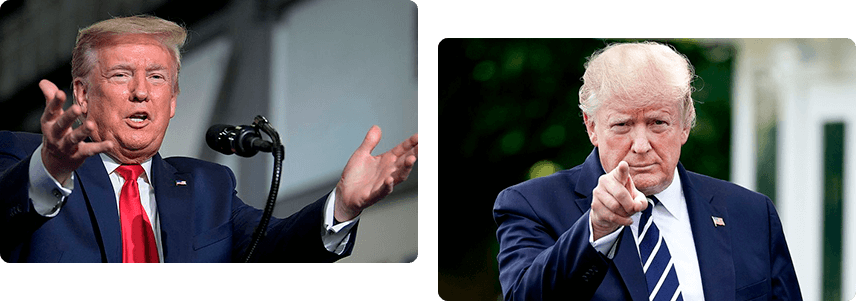
The most striking example of a successful personal brand in political politics is Donald Trump. He was elected US President in 2016. His striking branding and repeated slogan "Make America Great Again" won him over half of American voters. The "team affiliation" effect was at work, confirming the thesis of cognitive scientists that a sense of "team" is a powerful trigger for voters.
Trump's former personal lawyer, Michael Cohen, later said, "Donald Trump is a man who ran for president to make his brand great, not to make our country great. He had no desire or intention to lead the nation. Trump only wanted to sell himself, to consolidate his wealth and power." He often declared, "This presidential campaign will be the greatest commercial in political history." Even as president, Trump's every action was aimed at reinforcing his personal delusion. As a brand, he knew that repeating catchphrases was the best way to cement concepts in the minds of his audience.
The election of the previous president, Barack Obama, is another example of successful branding. While Trump's advertising exploited the bright, provocative image of an alpha leader, Obama's political advertising was built on creating the image of a calm, experienced manager. Against the backdrop of an economic downturn, voters wanted economic change. Obama's key promise was to change domestic and foreign policy, end the war in Iraq, and focus on economic recovery.
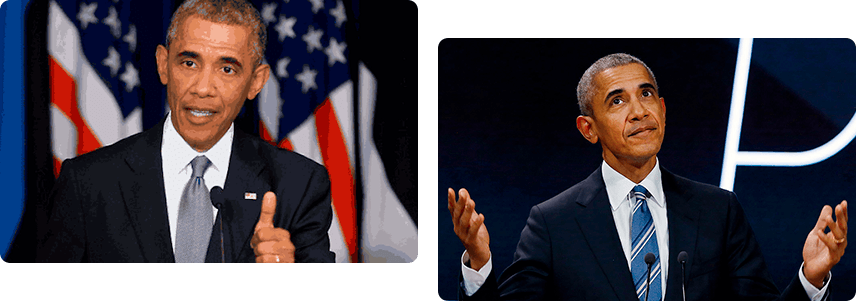
Political scientists cite his personal charm and the effective organization of his campaign, particularly online, as factors that contributed to his success. Chris Hughes, one of the founders of Facebook, developed the candidate's personal website. Experts also utilized 16 popular social networks. An online donation system was a new feature, and the main breakthrough was the personalized social network. More than three million people donated to Obama's campaign.
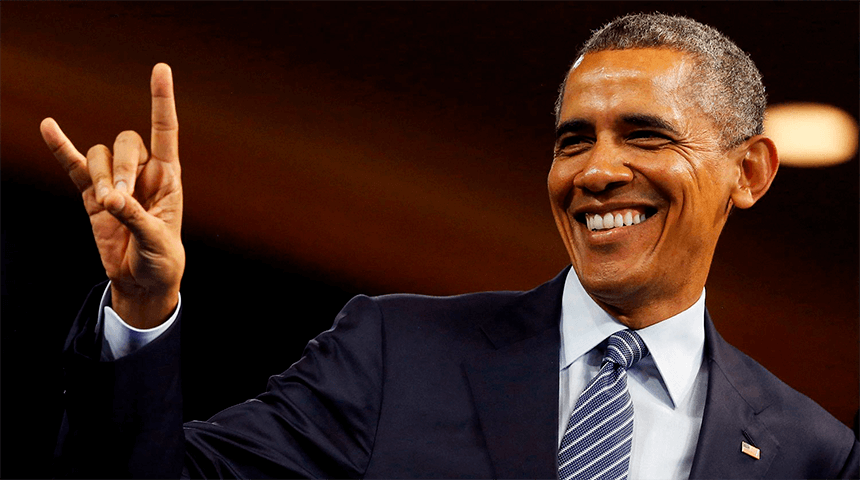
Until recently, the key to success in politics was the candidate's personal charm and competence. Today, victory is impossible without a well-coordinated team effort to build a strong personal brand and promote it in the media. Recent history proves that only a brand can win.
If you need a successful personal brand to climb the political ladder, contact us for a free consultation. The WeLoveBrands team will explore your political experience, strengths, and weaknesses, identifying compelling personal qualities that will help you build a strong emotional connection with voters.
We analyze the political landscape, competitors' experiences, and public demand, developing visual elements and a personal brand promotion strategy. Our specialists also work on personal brand promotion during and after the election campaign. We offer consultations by phone and via our website chat. We'll help you start your political journey and walk it together!