Receive a presentation of services and expert advice
The best people in the industry oversee your brand development process
→ Need branding, design, or creative solutions? Call us at +48 505 648 022 or message us on WhatsApp.
 WeLoveBrands.pptx

The best people in the industry oversee your brand development process
Independent accountants and auditors operate in a highly competitive field. Demonstrating individuality and standing out from the crowd is becoming increasingly difficult. Until recently, accountants found work through newspaper ads and word of mouth. Today, active social media presence helps grow a business and build a personal brand.
A personal brand is a unique set of characteristics that help distinguish and differentiate a person in their field. These include their first and last name, style and demeanor, image, specialty, professional qualities, and public opinion. A strong accountant's brand is highly recognizable in business circles, recognized competence, positive associations, trust, and authority in the business world.
Most people view accountants as financial experts with an analytical mind, focusing on accounting for business transactions and calculating clients' tax liabilities. In reality, this specialist's role is much broader: they are responsible for clients' financial success, improve their quality of life, and often become their confidant.
Accountants, like those in other fields, need to connect with their audience and sell their services. A strong personal brand and positive image make this task much easier. Establish your brand, and you'll be seen as an authority in your field. This increases the likelihood of gaining the trust of your target audience, which is crucial in accounting and finance, as professionals handle clients' money and personal information.
An accountant with a strong brand gains a number of competitive advantages over their competitors. The benefits of a strong brand include:
 independence from employers, the ability to independently find and select projects;
 expansion of the circle of business contacts;
 fame and recognition in the business environment;
 high level of income.
Every coin has a flip side. Having a strong brand requires being prepared for:
excessive attention from society;
time spent on further brand development;
concentration and constant self-control;
the possible emergence of ill-wishers;
the need to maintain the chosen image.
A branded person has no room for error. Examples show that every misstep will negatively impact the specialist's reputation, and significant errors can ruin all marketing and PR efforts aimed at promoting the accountant.

Relationships depend greatly on how you first introduce yourself to someone. Research shows that handsome and tall men earn higher salaries. At the same time, attractive people are expected to be more warm, sociable, and qualified. "Babyfaces" are often perceived as kind, warm, and honest, as opposed to people with sharp or angular features. You might think that good looks "pay off" when it comes to first impressions. But what else influences first impressions?
The most important aspect of meeting someone is nonverbal cues. Clothing, hairstyle, accessories, and other elements of appearance are less important than gestures and facial expressions.
Research by other scientists also supports the theory about the power of facial expressions and body language in the first minutes of meeting someone. Simple expressions, especially positive emotions, leave lasting memories. These emotions can be expressed through posture, gestures, eye contact, tone of voice, mouth position, and eyebrow shape.
According to psychologists, impressions of a person are formed in one-tenth of a second, up to 3-4 seconds at most. A subconscious assessment occurs of whether the person is trustworthy, competent, and whether they are an extrovert or introvert. Certain facial traits can be associated with extroversion, dominance, and even threatening behavior. First impressions are often misleading because they are based on biases. Although scientific evidence clarifies the fallacy of such judgments, it is important to form a positive first impression. This will help establish new acquaintances and business contacts based on trust and authority. These tips will help you achieve positive results:
Maintain eye contact when meeting or talking to another person.
Relax your facial muscles. You can maintain a slight smile when appropriate.
Don't frown to avoid creating a tense atmosphere.
Wear clean clothes that suit your body type.
Keep your hair, hands and body clean and well-groomed.
Speak in a neutral, soft voice. If you want to appear more authoritative, try speaking in a lower voice—this emphasizes expertise, confidence in your knowledge, and leadership qualities.
The first few seconds of meeting someone are crucial. Your future relationship often depends on them, so be prepared to make a good first impression.
A person's distinctive traits, characteristics, and idiosyncrasies are called attributes in branding. These include their last name, first name, appearance, personality traits, specialty, qualifications, professional experience, achievements, and hobbies. Beyond their professional image, an accountant's personal brand can be unique thanks to their high qualifications, responsible approach to work projects, and ability to maintain business confidentiality.
The task of a brand manager or brandologist is to identify unique, strong attributes of an accountant and, using specialized tools and promotional channels, attract the attention of potential clients.

A personal brand is developed through understanding one's individuality, strengths, and weaknesses. Building a strong brand means exploring and leveraging your best personal qualities: from appearance and character to professional training and experience.
 define your target audience .
Several questions can help determine the customer base:
 What is the client's field of activity?
His income level?
What is the age category of customers?
What are the main problems the client faces?
How can these issues close your professional services?
What will make the client pay for the service?
What is he willing to pay a large sum for?
By identifying your ideal clients, you'll gain a clear understanding of who they are, their values, and their priorities. This will also help you formulate a unique value proposition.
 form your image .
On a piece of paper or in a computer document, come up with a name you'll use for online marketing, and also create an ideal version of yourself. Try answering these questions:
Which authority figure do you want to be like?
How do you see yourself in 5-10 years?
What level of income do you expect in one, five or ten years?
What do you need to upgrade to earn more right now?
What are the five most important values that will be useful to a potential client?
Develop a clear understanding of yourself and your potential. It's also important to maintain lifelong learning, take specialized and additional courses, and stay up-to-date with industry trends to increase your employability.
 do your research .
Before creating your website and promoting it on social media, identify the needs of your target audience. Review your friends' list and determine if any of them fit your target audience. You can also identify and prioritize your target client's accounting needs using specialized services, such as social media parsers, internal tools for Facebook and Twitter, Google Analytics, Yandex Analytics, and others.

 Identify channels for promoting your personal brand .
On Facebook, LinkedIn, Instagram, and YouTube, you can share information relevant to your niche. Determine which platforms your target audience uses most frequently. Start a dialogue with prominent people on these social media platforms, like their pages, and reach out to them directly, offering guest posts on their blogs. This can help expand your reach and reach those in need of accounting services.
 Maintain communication with subscribers .
Social media is an effective tool for engaging with your target audience. Respond to comments on your posts and private messages. Don't ignore negative criticism, and try to address every user issue. Post positive feedback about your work in your feed or stories.
 record the results .
It's important to accurately track how much time and money you spend on your marketing strategy, as well as the results it delivers. Analyze which platforms are delivering the best results and which topics are receiving the most user interaction. It's also important to understand which platform is bringing you the most customers.
Developing and promoting your personal brand independently can yield good results. However, it's best to entrust accounting to an accountant, and personal brand promotion to a professional marketer. The experts at WeLoveBrands develop a personal brand promotion strategy from the ground up, helping you expand your business network and gain new clients.
Why do some brands evoke strong emotions and attachment, while others leave audiences completely indifferent? Why do we follow, draw inspiration from, and buy from certain brands, while others remain largely unnoticed? The answer lies in the brand's archetype.
Brand strategists and marketers often turn to psychology to boost sales and brand awareness. One approach is archetype theory. Brand archetypes reflect the owner's personality and evoke specific images in users. According to Carl Jung, the theory's developer, archetypes are universal mental structures inherited from our ancestors. They compel us to respond to various events in specific ways. You can also influence the unconscious, creating brands that are attractive simply because they align with our deeply held beliefs.

The twelve most prominent brand archetypes are :
Magicians . Their primary mission is to make the world a place where dreams come true. They are inspiring creative brands, the most striking example of which is Lego, which has won over customers worldwide.
Sages . They strive to make the world a more intelligent place, relying on data from reliable sources, appealing to the intellect, and playing the role of mentor or guru. Unlike magicians, sages do not create the future, but help people understand the present, drawing on experience, practical information, and analysis.
Innocents . Their primary goal is to evoke positive emotions. The simplicity and naivety of this archetype are reflected in their open attitude toward the world. Innocents strive to appear reliable and trustworthy, demonstrating high moral standards. This archetype evokes feelings of happiness and tenderness in consumers.



Rebels . They break stereotypes and violate social norms. They help people transcend habits, challenge conventions and authority. A prime example of this archetype among brands is the iconic motorcycle manufacturer Harley-Davidson.
Jesters . They are distinguished by a lighthearted outlook on life. The primary mission of brands of this archetype is to bring joy to the world. They are cheerful, funny, and carefree. The jester's goal is not to distract people from their work, but to help them enjoy it.
Lovers . They create an atmosphere of love, passion, and respect. They inspire, evoke strong emotions, and evoke associations with sensuality and romantic relationships.



Explorers . Always in the mood for adventure, they are distinguished by a spirit of independence and genuine curiosity. The meaning of life for Explorers lies in constant movement, the search for new experiences, risk, and breaking accepted rules.
Rulers . These are leaders who transform chaos into order. Rulers help people organize their lives and see the world as stable and secure. They embody integrity, honor, and an impeccable, stable reputation.
Caring . They strive for selfless service and dream of uniting people around a common goal. The generous nature of Caring makes them authority figures and objects of admiration. For example, they invite people to participate in environmental campaigns. They don't just expect donations; they want to communicate the impact of their actions and inspire change.



Heroes . They live to save others, improve the world, act bravely and courageously—and inspire others to do the same. The Heroes' primary goal is to solve global problems.
Nice Guys . They are driven by a desire to connect with others. This archetype is built on simple human values, recognition of the importance of each individual, and a modest and dignified lifestyle.
Creators . They create things that have deep meaning and value. Creative brands prioritize creativity above all else. They help develop imagination and provide the tools for success.


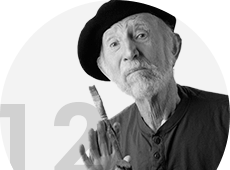
Brand archetypes can be divided into four categories. Each is characterized by a focus: order, self-knowledge, group affiliation, and change. The four motivations also represent the primary human driving forces identified by Abraham Maslow.
Brands often blend several archetypes. The accountant's personal brand most clearly displays the traits of the Sage and the Creator. And their desire for order and security also places them in the Ruler archetype.
A personal brand brings recognition and clients, and increases revenue. Creating a personal brand means using marketing and psychology knowledge, experience, and intuition.
We'll explore your background, professional experience, and expertise. We'll analyze the market, target audience, and competitors, and develop a brand identity and visual components. We also offer brand book development and brand promotion on Facebook, Instagram, and YouTube. Want a free one-hour consultation and initial recommendations for promoting your personal brand? Contact us to start attracting new clients without breaking the bank.