Receive a presentation of services and expert advice
The best experts in the industry will oversee your brand development process.
→ Need branding, design, or creative solutions? Call us at +48 505 648 022 or message us on WhatsApp.
 WeLoveBrands.pptx

The best experts in the industry will oversee your brand development process.
When we think of the furniture business, we imagine beautiful furniture, a stylish interior, and a cozy, modern home. In pursuit of customers, workshops and factories emphasize comfort, reliability, and high quality in their products. Companies need to present themselves at their best and earn consumer trust; otherwise, no one will order anything.
How can you encourage someone to place an order if they're seeing your furniture company for the first time? By creating an emotional connection using visual techniques.
A logo helps shape a brand's first impression. It can either spark interest or drown a company. A successful logo attracts attention, communicates information, evokes positive associations, and builds trust. A poor logo, however, will at best go unnoticed, and at worst, cause the client to turn away and look for other options.
 Differentiation from competitors . When researching a factory or workshop, consumers often first notice the logo. It communicates the company's activities and product benefits, and evokes certain emotions that influence their decision-making. A good logo will be eye-catching and inspire trust, increasing the chances that people won't switch to competitors.
 Protection and guarantees . A logo lets consumers know they're not dealing with a fly-by-night operation, but a reliable and stable company that values its reputation. Furthermore, a registered trademark protects your product from counterfeiting, preventing unscrupulous competitors from using your name.
 Trust . Customers are more trusting of companies that have a logo and corporate identity . A consistent company image increases brand recognition and strengthens its image.
 Attracting attention . An unusual logo attracts and intrigues, and if placed on various media, it will also help promote the brand.
A logo is a symbol that helps identify your business. And how well it meets your audience's expectations will impact your entire business. Therefore, logo design should be approached with care, considering every detail and not settling for the first image of furniture you see.
Yes, such a logo will reflect the specifics of your business, but it can easily get lost in the crowd. To stand out from the competition and attract consumers, it's better to use an unconventional idea.
A unique feature of the furniture industry is that logos aren't applied directly to products, meaning consumers see them less often. But if you want to stand out and be remembered, a unique brand mark should appear before consumers' eyes as often as possible – on your website, signage, business cards, documents, advertising and souvenir items, etc.
At the same time, the visual image must be clear. Its purpose is to convey information about the company's activities to the audience and evoke associations with certain qualities. For example, if you want to emphasize the eco-friendliness of the materials used to make your furniture, use images of trees or plants in your logo. Or to emphasize coziness and comfort, you could choose silhouettes of houses and furniture.
A furniture company logo should convey reliability, stability, and durability. However, you can also incorporate other associations into it, depending on the specifics of your business and the scale of your production. If you make custom furniture, specialize exclusively in retro-style furniture, or produce modern and trendy furniture, your logo should reflect these attributes.
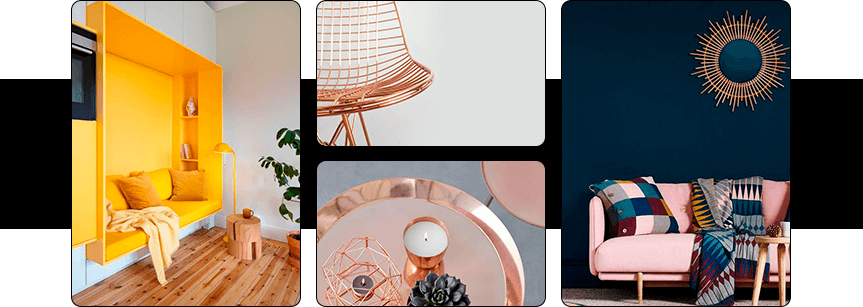
Large furniture manufacturers need a reliable and modern logo, so they may use a variety of symbols, including abstract ones. Small carpentry workshops or family-run businesses need to emphasize a warm, homey feel, demonstrating that the craftsman does the work as if it were their own. To achieve this, they choose images of a house, furniture, fittings, or tools.
When creating a logo, you should keep in mind that it will not be visible all the time, meaning there is a high probability that the audience will not remember it.
To increase recognition and attract attention, it's essential to develop a distinctive logo that will catch the eye and stand out from other companies. This requires an unconventional idea.
Don't know where to start? Call WeLoveBrands, whose designers will help you achieve your desired result.
First, remember that a simple and clear logo is easier to remember, while a pretentious and pretentious one can turn off customers. Therefore, be careful with your creativity.
Simplicity is one of the key characteristics of a brand logo, as it influences the recognition of a furniture company. But simplicity doesn't mean banal. A successful logo not only attracts attention but also reflects the brand's character. It should also be easily legible and look equally harmonious across various media and sizes (signs, websites, business cards, and letterheads).

A good logo reflects a company's activities, positively enhances its image, and highlights the benefits of its product. To create a distinctive logo, you first need to study your competitors, see what techniques they use, and then create something different. After all, the best logos in the world are those that break stereotypes.
Selecting an image . The most popular method involves using thematic icons and industry-specific images (houses, trees, furniture, fittings, interiors, etc.). To differentiate yourself from competitors, you can use abstract symbols and geometric shapes. You can also base your logo on interior design features. For example, people are trying to free up as much space as possible these days, so they avoid cluttering their furniture. By incorporating this idea into your design, you'll create a modern and stylish logo.
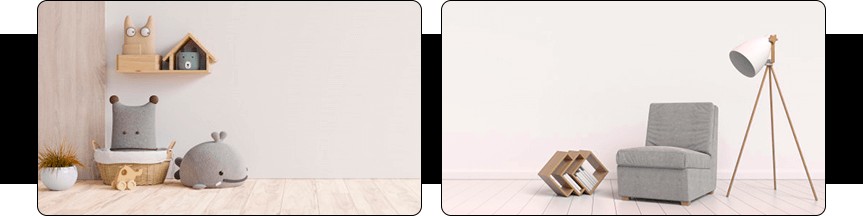
Choosing a font. A furniture company's logo should convey credibility, inspire trust, and communicate the quality of its products. To emphasize individuality, use signature fonts. If you want to emphasize homeliness, choose soft and flowing lines, while if you want to convey reliability and stability, opt for bold fonts.
Choosing a color. Each shade evokes specific associations in people. Red reflects strength and passion, yellow – cheerfulness, green – harmony and freshness, and black – sophistication and status. To choose a color for your logo, decide what emotion you want to evoke in consumers and what impression you want to make on them.
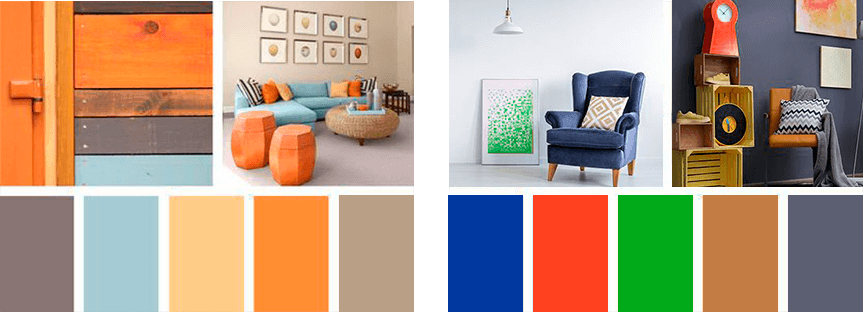
In the furniture industry, it's recommended to use calm tones that symbolize stability, strength, and reliability. The most common shades are brown, red, green, and yellow.
Thus, brown allows you to emphasize naturalness, as it resembles wood, green emphasizes environmental friendliness, yellow is associated with warmth and comfort, and red demonstrates dynamism, love, and the fullness of life.
To create a recognizable and intriguing logo, you need to use your imagination and not be afraid to experiment. Unusual imagery, contrasts, and interesting color combinations can and should be used in your design. Then you'll get a vibrant and emotional logo.
 Furniture and fittings. These are the most common images in the furniture business. Both traditional (in their familiar form) and stylized images can be used.
 Flora and Fauna. Trees and log cabins are the most common symbols in this group of symbols. The images suggest naturalness and eco-friendliness.
 Tools. These images are used to create logos for small woodworking shops and furniture stores.
 Home. A fairly popular icon that evokes pleasant associations and symbolizes coziness and comfort.
 Geometric shapes. Abstract lines and various shapes help create a stylish and modern logo.
You don't have to use popular images. You can come up with something unique and unconventional. The main thing is that the logo is attractive, intriguing, and trustworthy.
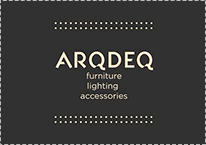


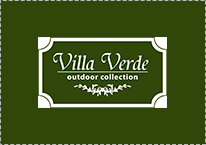
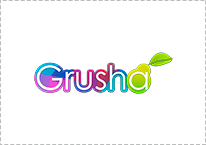


Logos of Ukrainian furniture factories and companies range from simple to bold. Traditional images and abstract forms are used. The most popular shades are black, red, and green. Colorful logos combining two or three vibrant colors are also common.
American furniture company logos are predominantly typographic. They are characterized by simple lines, minimalism, and neutral colors. There are also brand names with a history and color accents.

In European countries, the furniture industry predominantly uses font-based logos. Companies use non-standard fonts and, in fact, emphasize this. Such branding looks aesthetically pleasing and stylish.
As for imagery, abstract forms and geometric shapes are most common. Color preferences aren't particularly clear, as a wide variety of shades are used.

Logos of Asian furniture companies are characterized by simplicity and minimalism. Font logos are the most popular, emphasizing the unique letterforms.
Common colors are black and red. Trees and geometric shapes are the most common imagery.
To achieve a unique and expressive logo, it's best to entrust its development to professional designers rather than resort to online logo makers that will provide you with template solutions.
You can order a logo design as a freelancer or at an agency/studio.
The first option is cheaper, but it carries risks. Firstly, you might not find a competent and available designer, which means wasting time and energy. Secondly, you might end up with an unscrupulous person who promises a lot but delivers little. But if you're lucky, you'll get an interesting logo for an average of 30-40 $.
The second option is more expensive – from $150-200, but you will receive an original brand name that meets the expectations of the target audience.
Our studios employ a dedicated team of specialists who will research the market, your business, your competitors, and consumer needs to develop the right concept and create a compelling and trustworthy logo.
At WeLoveBrands, you can choose from three pricing packages with different service offerings and receive the specified number of options within the agreed-upon timeframe. To ask a specialist a question or place an order, call us or chat on the website.