Receive a presentation of services and expert advice
The best experts in the industry will oversee your brand development process.
→ Need branding, design, or creative solutions? Call us at +48 505 648 022 or message us on WhatsApp.
 WeLoveBrands.pptx

The best experts in the industry will oversee your brand development process.
What's the opposite of masculine, brutal design? A truly feminine floral (or floral-vintage) style, of course. At the same time, design in this style should look beautiful and attractive, so that it leaves no doubt about the taste of those behind the brand and offering its products or services.
Floral design is, at its core, closest to concepts such as beauty, charm, inspiration, and uplifting spirits, as it is uniquely associated with them. This is why it has earned such popularity and adoration among designers. After all, work is always a joy when you know you're creating something beautiful for this world.
Advantages of floral style in design :
 reflects the feminine character of the brand;
 conveys feelings of beauty;
 looks attractive on different media.
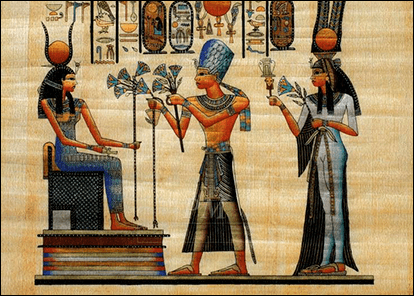
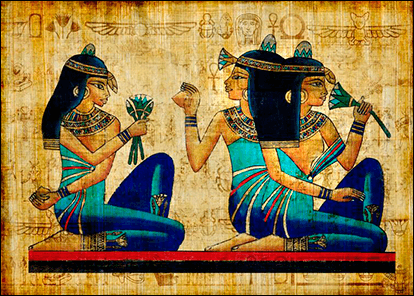
The first mentions of floral design date back to the ancient Egyptian Empire. Historical finds indicate that as early as 2500 BC, Egyptians were making floral decorations for themselves. Numerous images of flowers and plants have been found on the walls of Egyptian temples and sarcophagi. Floral images were also transferred to fabrics.
Flowers were a favorite attribute during rituals among ancient peoples from the 3rd millennium BC to the 1st century BC. The Greeks adorned statues with floral wreaths. Priests, priestesses, and orators also wore wreaths of laurel, myrtle, and other flowers.
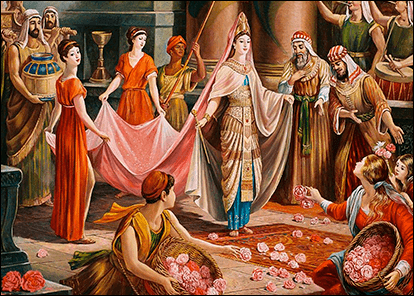
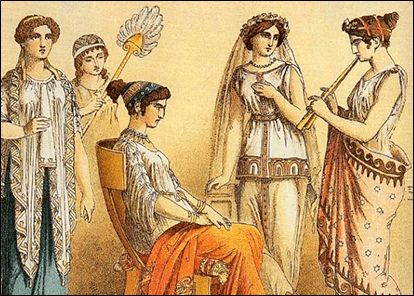
In the Middle Ages (5th-14th centuries AD), flowers served only to decorate churches. The development of floral symbolism began with the emergence of the Gothic style in architecture and design. During the Renaissance (14th-16th centuries), flowers played a central role in ornamentation.
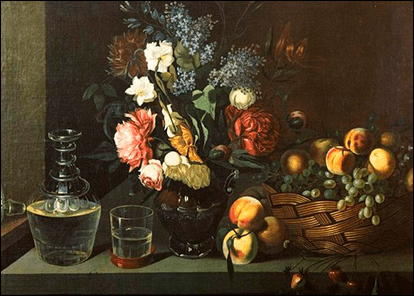
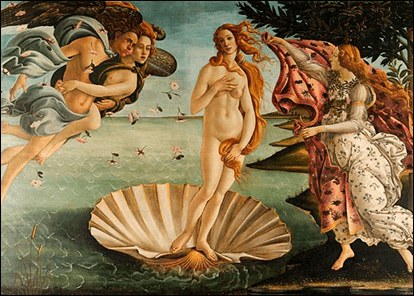
The Classical period (late 18th century - mid-19th century) reintroduced the floral symbolism of the Middle Ages and gave rise to a unique movement known as "formalist floristry." This approach held that a flower could not express its individuality.
As you might guess, floral design is aimed at a female target audience, not a male one. Floral design is suitable for businesses with corporate attributes such as femininity, youth, elegance, and sophistication. For example, stores selling women's clothing, lingerie, cosmetics, home goods, flowers, as well as beauty salons, coffee shops, and pastry shops. It's also an excellent solution for wedding themes and other festive event design concepts.
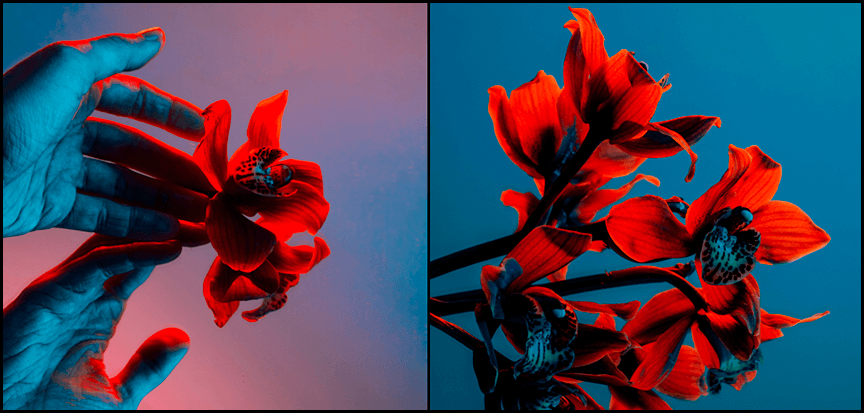
If you have a reputable financial company (bank, insurance organization), a construction firm or corporation in the field of technological developments, or a company manufacturing heavy industry, then a floral designisdefinitely not an option for you.
The main elements of floral design include flowers and buds, branches and vines, leaves and swirls. The background is often white or light pastel.
However, due to the specifics, the color range here is limited to only a few options:
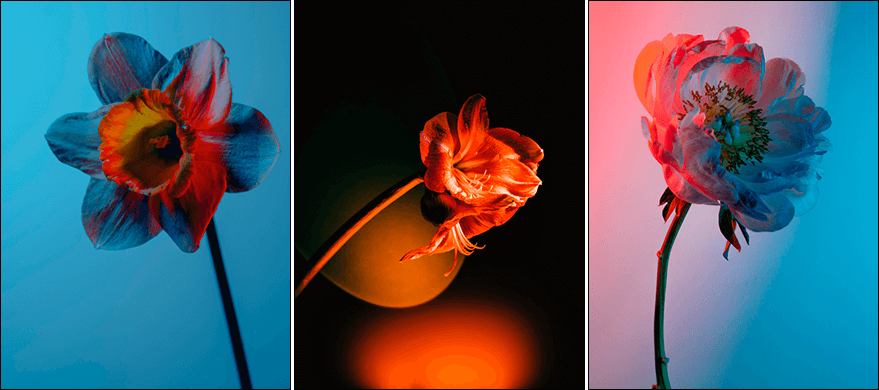
Pastel colors .Floral style is characterized by pink, blue, lilac, turquoise, and peach.
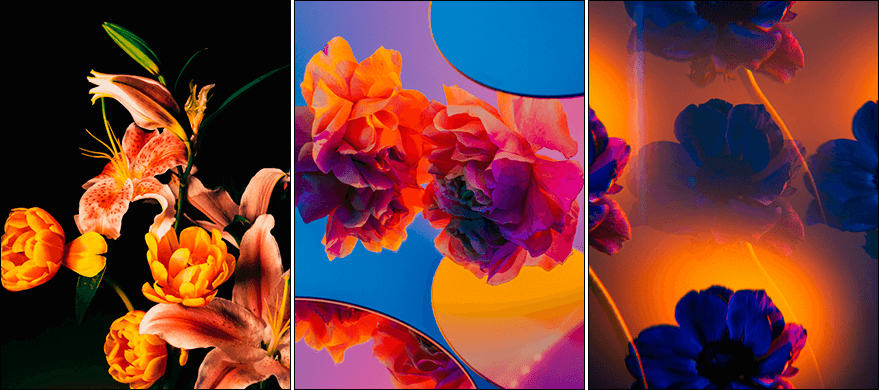
A rainbow-like color combination .This option is suitable if you want to highlight the diversity of your products (flowers, outfits, fabrics, etc.).
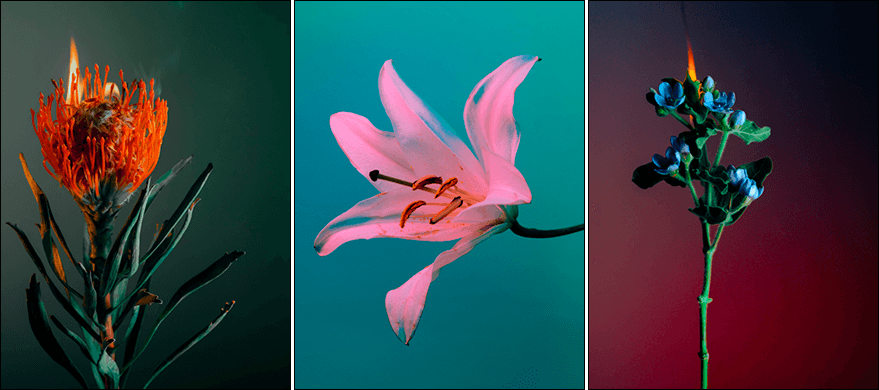
Green is the color primarily associated with nature, plants, cleanliness, and ecology.
Character fonts are ornate, handwritten or refined letterforms with large strokes. Certain parts of the font or design may be highlighted with silver or gold glitter.
Recommendations for using floral style :
 Flowers other than traditional roses can be used. Daisies, lilies, herbaceous plants, and pine branches are all suitable for creating interesting arrangements.
 The font chosen for the logo (especially the handwritten version) should not be lost against the background of the other elements of the composition.
 When creating a design, we recommend that a minimal floral accent, outline, or underlining of your company/brand name be sufficient.
 When choosing a floral design idea, it's a good idea to look to vintage flower shops or French patisseries for inspiration.
What flowers fit into the design?
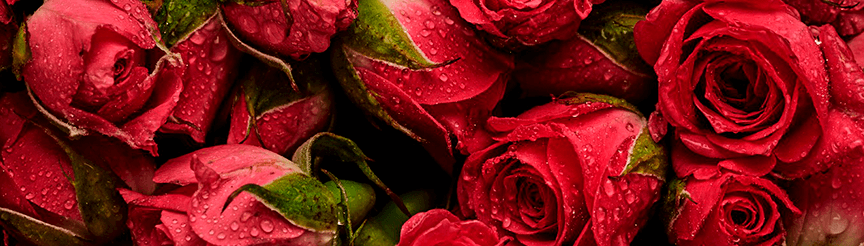
Roses .What would we be missing without the queen of all flowers, symbolizing love and passion? The rose is perfect for designing luxury goods and services: niche perfumes, high-end cosmetics, exclusive spa treatments, and so on.
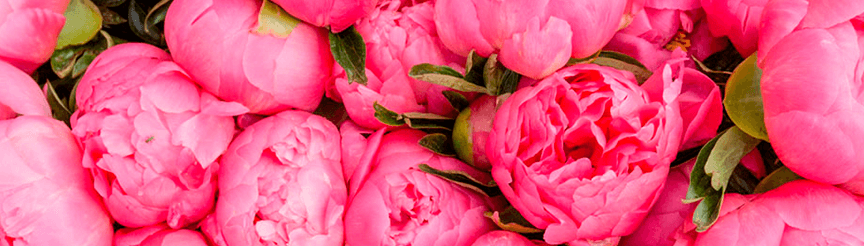
Peonies and ranunculus .Peonies exude strength and exclusivity, making them a safe choice for luxury brands when creating a brand identity. Meanwhile, ranunculus is known as the "bride's flower," making them a perfect choice for wedding styling.
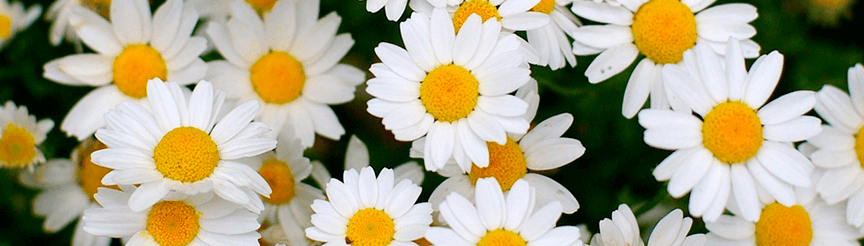
Daisies .These modest and flirtatious wildflowers are undoubtedly associated with youth, freshness, love, and freedom. They're perfect for creating logos or brand identities for brands selling summer clothing made from lightweight fabrics, fresh spring fragrances, cafes with summer terraces, and the like.
Flowers and everything related to them give complete freedom to the imagination when creating designs for wedding albums, catalogs, magazines, etc.
Hand-drawn illustrations and images, as well as watercolor designs, are often created in a floral style. Such works can be seen on the covers and pages of women's novels, collections of lyric poetry, and other books with similar themes.
Floral elements can also appear on business cards, flyers, and brochures. They are also used to decorate cards placed in bouquets or flower baskets.
The most common field for floral logos is floristry, specifically flower shops, salons, and studios. When developing a logo, it's important that it:
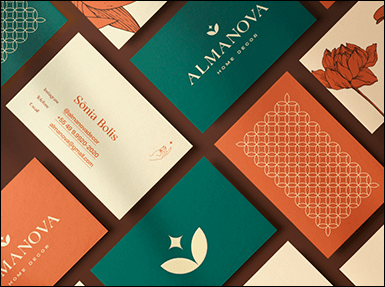
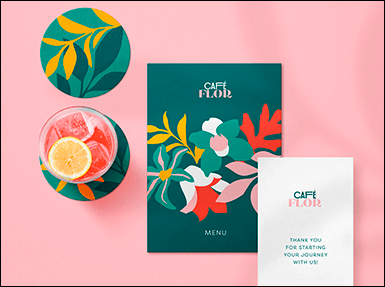
Depending on the company's line of business and its target audience, there are several types of floral-style logos :
# 1 Logo for a shop selling indoor flowers and plants . The main customers of such stores are mostly women who purchase plants to decorate their homes or apartments. Therefore, it's preferable for such stores to design their logos in a natural and interior design style.
# 2 Logo for a gift bouquet shop . The target audience here is both women and men interested in fullness and beauty. Therefore, it's desirable to reflect these images in the logo.
The most popular flower logo designs include:
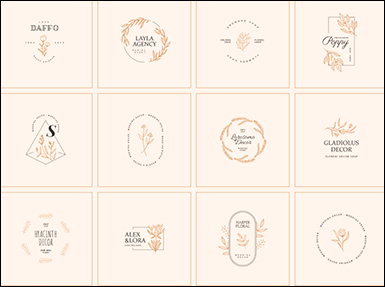
Flowers and plants . Using a product image as the central element of a brand identity is the most obvious choice when developing a logo. However, there are many variations: a single flower, a bouquet, a potted plant, a stem with a leaf, a flowerbed, a wreath, etc.
Insects . A less popular option is when the main logo element is butterflies and bees, as insects that directly pollinate flowers.
Inscription . Typically, it is done in a handwritten font, which emphasizes the lightness and elegance of the floral image.
As we all know, wrapping paper helps give finished bouquets a finished look. This decorative element can also be designed in a floral style. Since the wrapping paper is part of the bouquet, the image printed on it should harmonize with the overall composition.
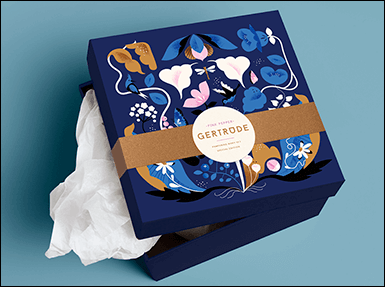
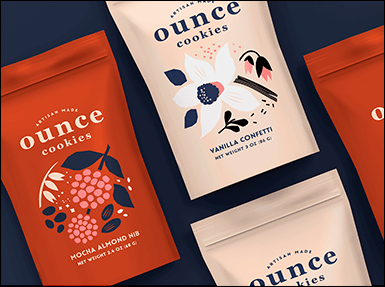
Women's eau de toilette packaging is also often designed in a floral theme. In many cases, these cardboard boxes feature an abundance of decorative elements, yet they are not overly garish. Light, playful, and cheerful imageryiswhat such packaging should convey.
It's only logical that a floral theme would look attractive on an online store selling flowers or houseplants. If you sell wedding favors, natural cosmetics, or offer beauty services, a floral design would also be appropriate for your website.
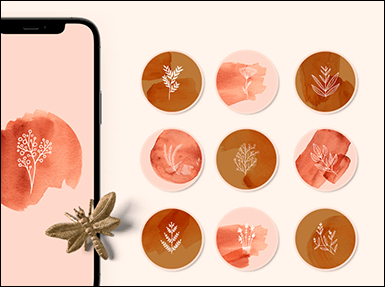
Floral design isalsoa great choice fora social media page or group dedicated to any women's topic, from proper houseplant care to self-care.
Traditionally, Slavs have decorated their homes with flowers, aromatic herbs, ears of grain, and green branches for holidays. It's therefore not surprising that floral design has found its way into the modern world.
The style in question is widely used in creating corporate identities for brands with an emphasis on naturalness and authenticity. This is evidencedbythe packaging of cosmetics from Ukrainian manufacturers featuring floral-themed labels on store shelves.
Another area where floral prints are appropriateis clothing and accessory design :dresses and skirts, blouses and jackets, scarves and pareos, bags, etc.
In addition, floral motifs are actively used in interior decor, especially in girls' bedrooms, as well as in the creation of themed photo zones.
In today's market, many well-known global brands rely on the "language of flowers" for their visual communication with consumers. A striking exampleisthe logo of the French natural plant-based cosmetics brand Yves Rocher. Designed in green and white, the logo depicts a stem with a leaf, thus communicating to the target audience the use of natural ingredients in the production of this brand's cosmetics.
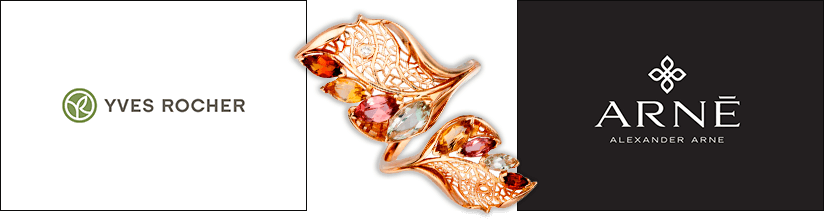
Floral motifs can also be seen in jewelry collections from renowned brands (Alexander Arne, Tous, Axenoff Jewellery, Carrera, and others). Favorite flowers among jewelry designers include roses, carnations, and four-leaf clovers.
You have a choice: either hire a freelancer to develop a floral design or hire a specialized design studio. In the former case, the cost, depending on the type and complexity of the work, will be as follows: from 10 $ for packaging design, from 30 $ for logo design, and from 50 $ for website design. This is a more economical option, but the result may be disappointing if you choose an inexperienced or unscrupulous designer.
A web studio's price list will be higher: from $20 for printing, from $130 for corporate identity, and from $150 for a logo. However, in this case, a contract is drawn up before work begins, outlining clear design deadlines and pricing, so you as the client are legally protected.
If you want to highlight the delicacy and sophistication of your brand, the WeLoveBrands team is ready to develop a unique design that will highlight these qualities. Choose from our available pricing plans and order a floral design by phone or via online chat on our page.