Receive a presentation of services and expert advice
The best experts in the industry will oversee your brand development process.
→ Need branding, design, or creative solutions? Call us at +48 505 648 022 or message us on WhatsApp.
 WeLoveBrands.pptx

The best experts in the industry will oversee your brand development process.
It would seem that coming up with a name for a children's toy store couldn't be simpler. Choose a word that evokes positive emotions and associations with children, and you're done. But it's not that simple. To create a name that's interesting and unique from your competitors, you need to put in more effort and use unconventional techniques.
 Idea
The foundation for a name should be built on the product's features and the company's core values. Both the technical aspects and the emotional appeal are important. To understand how to position your brand, answer these questions:
 How do you want your store to be perceived by the public?
What emotions should the name evoke?
A name should be memorable and catchy. It's best if it reflects the brand's character and highlights its strengths.
 Target audience
Remember that adults buy toys for children. This doesn't mean the name should be serious. Quite the contrary, it should be light, emotional, and evocative.
Target audience analysis will help identify consumer wants and desires, as well as determine a brand development strategy.

 Competitors
To differentiate yourself from your competitors, you should first study the market and understand the techniques other companies have used to create their names. This analysis will help you determine what your competitors are communicating through their names and which direction you should take—either to stay on the same wavelength or to diverge from them to stand out.
 Name generation
There are many ways to conduct a brainstorming session. It's a unique part of naming that involves gathering employees and generating ideas.
You can use the following methods to create names :

Write a list of specific keywords for your toy store name.

Visualize the type of business you're trying to create. A collection of relevant images will help you do this.

Think of adjectives that would describe your toy store.

Experiment and use unconventional techniques.
All the name options that come to mind should be written down and organized into groups (characteristics, appeal, price, relevance to the type of business, etc.). During this process, you can immediately discard unsuccessful names.
 Checking for uniqueness
Check each name for uniqueness by searching it. Next, make sure the names don't evoke negative or ambiguous emotions. It's also important that the name is visually appealing. Finally, choose the perfect name from among the dozen or so possible names.
How do you know if a name is right? If the name is easy to spell and pronounce, easy to remember, evokes positive emotions, conveys a sense of the product, and stands out from the competition, then it's a good one.
There are different approaches to choosing a name. Some want a name in a foreign language, while others are satisfied with a Ukrainian or Russian word that is easy to read and understand when written in Latin. Some strive to create a unique name using neologisms and little-known words, while others delve into fantasy in pursuit of a fairytale name for a toy store.
Therefore, when creating a name, you should primarily consider the topic, business specifics, and competitive advantages. Then you'll be able to come up with a name that attracts consumers and sparks their interest in your product.
Let's look at the main groups of names :
Founder's name or surname
When creating a name for a toy store, you can use the owner's first or last name. This way, you'll emphasize that you stand behind the quality of your products with your own name. And since this is a children's store, you can choose a diminutive or words that indicate family ties (uncle, brother, mom, etc.). Some good examples include: Alex TOYS, UncleDima, and LiesGard.

Subject functional name
Such names clearly explain what the company does.Functional names are chosen when the goal is brand positioning. For example, "World of Toys," "Toy and Joy," "Igrolandia," "Friendlytoys," "Disney-Toys," "Academy of Games," and "Toys Zone."
Metaphors
This is one of the most common naming techniques.Metaphors remind consumers of a company's values or product features, rather than describing the product itself. Such names attract consumers and differentiate the brand from competitors. For example, "Disneyland," "Dragonfly," "Wonderland," "Wunderkind," "Island of Knowledge," and "Umka."

Names in Latin
Names are based on Greek or Latin morphemes. Such names are generally free of negative connotations and are universal, making them easily understood by international clients and partners. This method is a simple way to achieve recognition not only in the local region but also beyond (Toys Discovery, Teddygroup, TimToys, Kinder-Play, Babylend, Multi-Race, Level Up).
Neologisms
A neologism is a word created for a specific purpose and previously unknown in the language. This approach is chosen by those seeking a unique and intriguing name. For example, Indada, Hamleys, Namangan, Chudesaika, and Mogusha.

Characters
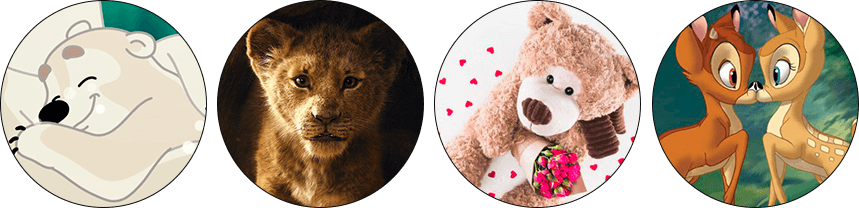
To attract attention to their brand, some companies commission the creation of a character and, accordingly, choose a name for it.This approach offers numerous advantages, including instant memorability and unambiguous associations. For example, Umka, Teddy Bear, Antoshka, Simba, Bambi, Gulliver, and Alenka.
Compound names
These are names that are the result of combining several words or parts of words.They may include abbreviations, translations from foreign languages, transcriptions, prefixes, endings, etc. Such names attract audiences with their uniqueness and creativity (Megaumnik, Neprostoy, Sverhigrushki, BebiKom, Maksidom, Kidstation).

Geographical names
These are names tied to a specific location. This approach adds character and improves memorability. A name can also contain a hidden meaning, a legend, or long-standing traditions. For example, "MalvinaDnepr" or "Kyivland."
Any of these techniques can be used effectively. The key is to choose the one that best conveys your idea.
Before creating a name, it's important to research your target audience and product range. Who are your products aimed at – children of different genders and ages, only girls/boys, or exclusively teenagers? What products do you sell or what do you want to emphasize – eco-friendliness, designer toys, exclusively educational games, etc.
The name can be based on either a product feature or a specific emotion.
Here are some ideas for creating a catchy name :
# 1 Use anything related to childhood in the title : the world of fairy tales, cartoons, toys. For example, "Fairytale Land," "Peter Pan," "Ladybug," "Kinder City," "Planet of Children," "Chadorado," "Merry Kids."

# 2 Indicate the specifics of your business in the store name . For example, if you sell wooden toys, you could name your store something like: Pinocchio, Papa Carlo, or Cat's House. If you offer developmental games, consider names like: Wunderkind, Genius Fidget, Smart Toddler, Developmental Games, Little Genius, or Island of Knowledge.
# 3 Choose different animals and their characteristics for the name , because toys are often in the form of cute little animals (Chicks market, BegemotiK, Bee's house, Heffalump, Funny penguin, Ladybug, Stork, Fox, Lion cub).

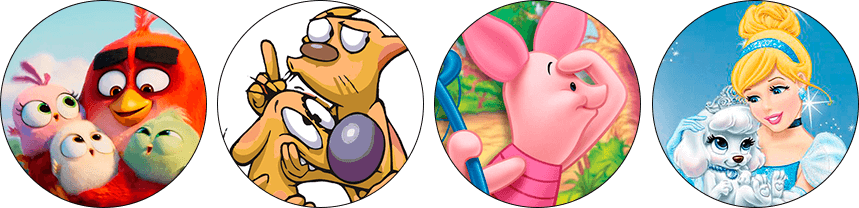
# 4 Use fairy tale and cartoon characters in the names of children's toy stores . These could be characters from our childhood or popular children's animated series (Angry Birds, Pinocchio, Puss in Boots, CatDog, The Three Dwarfs, Gulliver, Limpopo, Cinderella, Piglet).
When creating a name, remember that the main buyers of toys aren't children, but their parents. So, the name should be light and easy to understand, but not necessarily serious. And whether to flavor it with cuteness, mischief, tenderness, or recklessness is up to you.
A name is a powerful marketing tool that can promote a company, retain customers, and create positive associations. Without a name, there's no business, no reputation, no corporate identity, since there's no connection to a specific object. That's why it's crucial to develop a strong, emotional name for a children's toy store.
After brainstorming ideas and compiling a list of company names, companies often become overwhelmed and unable to choose just one. To solve this problem, there's a list of criteria that simplifies name selection.
The name must :
 be unique;
 easy to pronounce and spell;
 be remembered well;
 to create a positive image in the eyes of consumers;
 increase loyalty and trust;
 provide a reference to the company's activities.
Checking these criteria will help you choose the best name for your business. You can also listen to your intuition when finalizing your options.
The cheapest option is to come up with a name yourself or use online generators. But if you're stuck for ideas and want a unique name for your toy store, hire a professional.
To do this you have two options :
Freelancer
A specialist will perform high-quality work for a relatively small fee (around 1000-1500 UAH). But there are some nuances here: it is important to find a responsible person who will not let you down on deadlines and will not give you a basic result.
Branding agency
You can commission a name development service from a specialized company staffed by a team of experienced professionals. They will explore various ideas and come up with several unique name options. This service starts at $120, but you'll understand exactly what you're paying for, as each pricing package details everything included.
Before developing a name, the specialists at WeLoveBrands studio study the specifics of the business, target audience, and competitors. This is done to create an effective toy store name that will stand out from other companies in your niche.
To ask questions about the nuances of creating a name and to order the service, call us, leave a request in the chat, or fill out the feedback form.