Receive a presentation of services and expert advice
The best people in the industry oversee your brand development process
→ Need branding, design, or creative solutions? Call us at +48 505 648 022 or message us on WhatsApp.
 WeLoveBrands.pptx

The best people in the industry oversee your brand development process
The days of "faceless" companies are over. People are increasingly interested in the personalities behind the companies rather than the companies themselves. Elon Musk has twice as many Twitter followers as SpaceX and Tesla combined. Richard Branson has ten times as many followers as his company, Virgin. Sara Blakely, the founder and owner of lingerie brand Sara Blakely, has 20 times as many followers on LinkedIn as her SPANX.
The days of "faceless" companies are over. People are increasingly interested in the personalities behind the companies rather than the companies themselves. Elon Musk has twice as many Twitter followers as SpaceX and Tesla combined. Richard Branson has ten times as many followers as his company, Virgin. Sara Blakely, the founder and owner of lingerie brand Sara Blakely, has 20 times as many followers on LinkedIn as her SPANX.
People trust corporate brand messaging less, but they're more interested in the stories and events surrounding entrepreneurs associated with them. Why is this? Do all entrepreneurs need a personal brand? Is it really that important for successful business promotion?
The key goal of business, especially in the early stages, is profit. Even at the outset of their business career, entrepreneurs subconsciously begin to build their personal brand: they consider their style, image, and demeanor, as well as select business attire, shoes, and accessories.
Over time, money ceases to be the primary motivator. Some entrepreneurs begin engaging in charity work, others become public figures and business coaches, and still others enter politics. At this stage, businesspeople generally realize that image and style are no longer enough and begin consciously working oncreatinga personal brand.
An entrepreneur's personal brand is the sum of their skills, ideas, values,style, image, and demeanor that they convey to society. What benefits does a personal brand provide to an entrepreneur?
 Increases sales . An online presence expands the number of potential customers. People do business with people they know and trust. Being the public face of a business means gaining the trust of customers, even if they don't know the business personally.
Sejal Lakhani-Bhatt, CEO of IT company TechWerxe, shares his experience: "I do podcasts, give interviews, conduct webinars and seminars, and speak at conferences. People get to know me, and if they trust me, they'll trust the company."

 Promotes career growth . A business owner's identity is often closely tied to their company. After leaving their job, many entrepreneurs face an identity crisis. Having a personal brand distinct from the corporate one allows them to move forward more quickly and with less effort.
Erez Zevulunov, owner of MIT Consulting, an IT consulting firm, creates hispersonalbrand and sees it as a "lifeline": "I grew up in the mergers and acquisitions industry. Every time there's an acquisition, the founder leaves, unsure what to do with their life. My brand will either give me the opportunity to take a position in a larger organization or allow me to transition to a different career. If I sold my business, I'd have to build somethingfrom scratch, and that would take time."

 Helps you become a recognized leader . Strong entrepreneurs are intrinsically motivated. They also want recognition for their accomplishments. Research shows that people prefer public recognition to personal achievements. Personal branding helps you gain respect and builds a reputation as an expert.
Fran Biderman-Gross, founder and CEO of marketing and branding agency Advantages, says this is one of the key reasons she spends time and effort building her personal brand: "It's time to focus on yourself as a thought leader, to find your voice and your place in the world."

 It allows you to inspire and influence . One of the reasons to become an entrepreneur is to change the world, make an impact, and leave a mark. Kate Holden, owner of De Luca Fine Wines and Flaunt, started building her personal brand for this very reason: “I want to inspire people to do better and be better. I want to inspire other women to find themselves. And I want to show others that we can all dream big.”
A strong personal brand helps you achieve big goals. If one of a business's goals is to inspire people and influence their target audience, the only questions they should ask themselves are: "What am I looking for?" and "What's holding me back?"
Business owners typically rely on financial gains from marketing. However, they also highlight other benefits of personal branding for businesspeople and entrepreneurs.

Building trust .People are trusted more than brands. Personal brands strengthen the bond between businesses and customers.

Increasing the value of a company's assets .A company's value is the sum of its tangible and intangible assets. Personal brands make up a significant portion of intangible assets and influence shareholder value.

Showcasing a brand's personality .Brands are faceless entities unless they are built on compelling distinctive features. Personal brands are humane and individual, with stories to share with users.

Building a strong connection with your target audience .Personal brands build strong relationships with clients, influencers, and investors.

Increasing brand awareness . Personal brands enhance a corporate brand, humanize it, and highlight its uniqueness. Corporate brands often use similar promotional methods , especially in the B2C and financial sectors. Personal brands are all unique, each with its own story, goals, and aspirations.
It's important to note that having a strong personal brand comes with certain responsibilities. Success strengthens an entrepreneur's personal brand, while serious mistakes and unethical behavior can negatively impact the business.
Promoting a personal brand takes a lot of time, effort, and constant self-control. You need to be prepared for both well-wishers and negativity, envy, and criticism. A personal brand can harm its owner and the company if:
his past is associated with actions that are perceived ambiguously or negatively in society;
the owner shares or promotes extremist, sexist, or nationalistic views;
the company's products cause harm to the community, health or the environment;
The owner is not ready to regularly engage in promoting his personal brand.
In most cases, having a personal brand brings significant benefits to both entrepreneurs and businesses. It's important to identify and communicate your strengths, values, and individuality—both yours and your company's—through your personal brand.

They say you can't judge a book by its cover—but that's exactly how it works in real life. People make quick judgments, and making a second impression is nearly impossible. When building your personal brand, you need to focus on how others perceive you online, at business meetings, professional events, and conferences. Here are some basic rules to help you make a positive first impression:
Be confident- your interlocutor will sense your hesitation and embarrassment.
Take the time to pay attention to your appearance—clothes, shoes, hairstyle, and even perfume. "Clothes make the judge" is a common saying in business.
Maintain eye contact—it's a good idea to do this not only in private meetings or events, but also in photos on your website or social media.
Use gestures—about 90% of information during a conversation is conveyed through body language. However, be careful, as some gestures can convey boredom, withdrawal, or even a negative attitude toward the person you're talking to or the internet user.
Leaning slightly forward toward your interlocutor can help convey interest in offline meetings.
In personal branding, it's not just how you think about yourself that matters—it's far more important how you're perceived online and in real life. Strive to create a positive first impression when people discover your personal brand. And remember: self-presentation isn't just about an expensive suit, a watch, or a haircut from the best barber in town. You must also convey ideas that resonate with the values of your target audience, or potential clients.
Buildinga personal brand can be compared to putting together a puzzle—every piece must fit into its proper place. An entrepreneur's brand is made up of the following elements:
personal qualities - responsibility, integrity, hard work, charm, persistence, willpower, communication skills, intuition, observation, a tendency to take reasonable risks, self-confidence;
business qualities - organization, prudence, determination, analytical skills, creativity;
competence - education and the ability to continuously learn;
values - guiding principles and ideals in family, business, cultural and social life;
competitive positioning - demonstration of distinctive individual qualities;
personal history - the start of a career and important events in business or personal life;
visual image - the components of your image, as well as your manner of behavior.
All elements work toward one goal: building a strong personal brand. Sincerity and consistency are essential. People can forgive a self-made businessman a lot, except for lies and abrupt changes in values or principles.

The concept of "archetypes" in branding helps define and describe the most characteristic qualities and values inherent in brands. This is an attempt to imbue brands with human characteristics or create enduring associations with something familiar and relatable. For example, the Wrangler brand evokes the Wild West, unbroken mustangs, and dust-covered cowboys; Jeep is an off-road conqueror; and Range Rover is a "farmer in a tailcoat."
For ease of use, the 12 most characteristic archetypes were divided into four groups based on their dominant behavioral motive. The first group, characterized by qualities such asindividualism and independence, included the "Innocent," "Explorer," and "Sage."
The group with the traits offreedom and risk-takingis made up of the archetypes "Outlaw," "Hero," and "Magician." The typical traits of "Creator," "Ruler," and "Caregiver" arestability and control. Belonging and connection to societyare characteristic of the "Everyman," "Lover," and "Jester."
Businesspeople's personal brands typically feature one or two dominant archetypes and several additional archetypes. For example, Microsoft CEO Bill Gates is primarily a "Sage" and "Creator," while his additional archetypes are "Ruler" and "Explorer."
The more multifaceted a personality, the more archetypes underlie their personal brand. Elon Musk certainly doesn't fit the "Innocent" archetype, and some of his actions, such as his sarcasm toward his "space business" competitors Bezos and Branson, even qualify his brand as belonging to the "Jester" archetype.
The choice of key archetypes depends on the business's line of work. Bankers and financiers are given the "Sage" and "Ruler" traits to establish their authority; healthcare entrepreneurs are given the "Sage" and "Caring" traits; and travel entrepreneurs are given the "Hero" and "Seeker" traits.

Even if a company has multi-million dollar assets, management mistakes can cost significant losses. We examine the most common mistakes in building a personal brand.
 "I don't need a personal brand."This is the mistake most often made by new entrepreneurs: "It's too early for me to think about that." And... more often than not, over time, they come to understand the importance of a personal brand for promoting their own business.
 Promotion using a single tool.The choice of tools is determined by the goals and audience. It's easier and more effective to start promotion on social media, and over time, you should expand to other channels that are popular in the country where you do business.
 Abandoning storytelling.People want to see a real person with a story of achievements and failures. We chat with friends, read fairy tales to our children, and tell jokes. Every conversation brings stories—about ourselves and others, about yesterday's subway ride, a weekend getaway, or how we failed a university exam. Stories are captivating, which is why storytelling is often used in personal and corporate branding.
 Embellishing reality.You can only talk about real achievements and your role in them. Sincerity is the main rule in personal branding. Untruths will inevitably be revealed sooner or later.
 Refusing professional services. At the beginning of a business career, you can rely only on your own knowledge and experience. As they grow, a smart businessman surrounds themselves with competent employees and delegates some tasks to outside specialists.
Building and promoting a personal brand should be done by professionals. The WeLoveBrands studio team helps create and develop successful personal brands.
Every time Nova Poshta co-owner Vladimir Popereshnyuk wants to respond sharply to yet another unkind comment, he stops himself: "Vova, think about what you're saying and how you're saying it." Vladimir began self-censoring after he began building his personal brand. His Facebook profile currently has around 30,000 followers, and he plans to launch pages on YouTube, Instagram, and TikTok in the near future.
"Investing in a personal brand costs pennies compared to what it can yield, from internal satisfaction to increased company value." Perhaps the businessman's experience can be trusted, considering that last year he ranked 94th among the richest people in Ukraine, and this year he rose to 70th.
Vladimir notes that it's now easier for him to communicate his ideas and values to his target audience, attract additional investment, and hire and retain competent personnel. In the realities of Ukrainian business, investing in publicity has a special motivation: a personal brand often protects against illegal actions by the state apparatus.
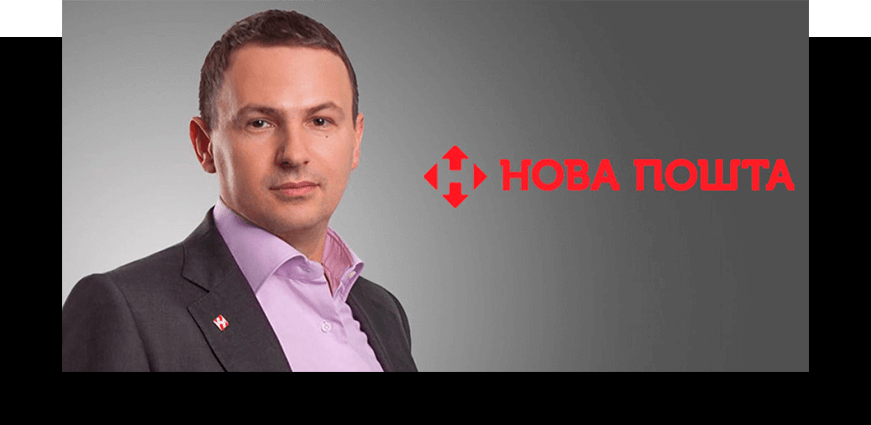
In 2018, the Prosecutor General's Office accused the company of tax evasion. Searches and document seizures followed, jeopardizing the timely delivery of orders. Vladimir's Facebook post detailing the incident was shared by nearly three thousand people. Over the next 24 hours alone, Ukrainian online media published 670 articles on the topic. Businessmen and politicians responded to the unacceptable actions. The searches sparked outrage among experts and politicians. Thousands of Facebook users joined the "I support Nova Poshta" campaign. Ultimately, the Prosecutor General's Office closed the case.
In July 2021, another government agency filed charges against Nova Poshta for violating the law and imposed a fine of 7 million $. Popereshnyuk launched the #BusinessMayVoice challenge, which was widely supported by social media users and public figures. The businessman soon announced on his Facebook page that the fine had been rescinded.
Another example of how a well-promoted personal brand prevented illegal actions by government agencies is the story of Dmitry Derkach, co-owner of a cinema chain.
Planeta Kino. In 2015, Dmytro Derkach wrote on Facebook about an unjustified fine of 0.6 million $. Following a wave of support for the businessman, the tax authorities dropped the unfounded demands.
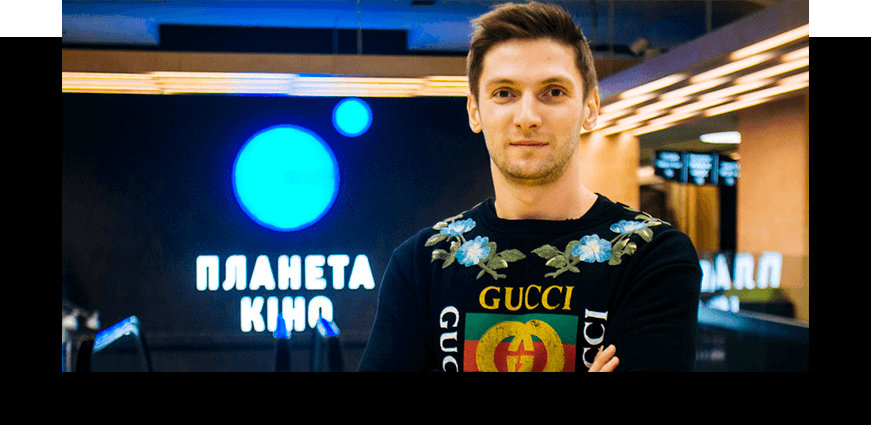
There was a time when Derkach didn't plan to be in the public eye. Amid growing interest in the Planeta Kino brand, he began giving interviews, speaking at conferences, and creating social media profiles. Dmitry claims that his personal brand has given the company significant advantages. Thanks to the loyalty and support of his subscribers, Planeta Kino managed to survive the lockdown without closing its cinemas or cutting its team.
In the spring of 2020, he asked his followers for support and offered to buy a lifetime cinema certificate for 10 $. The campaign quickly raised 0,25 million $. Theseexamplesdemonstrate the importance of having and actively engaging with your audience's personal brand.
Building a personal brand is a complex, comprehensive process where no detail or unimportant factor is too small. It includes:
Positioning that helps to reveal individuality, strengths and weaknesses of the individual, goals, stages and direction of development.
SWOT analysis and monitoring of online presence.
Brand strategy development. At this stage, it's necessary to define the product's benefits, target audience, and needs, as well as define its professional and social mission.
“Packaging” – external image, style and manner of behavior and speech, the construction of a holistic image.
Defining and filling communication channels with unique content.
The cost of creating a unique selling proposition, logo, and identity is approximately 400 $, while full branding, including complete packaging and a package of unique graphic materials, costs 800 $. We will develop an effective strategy for you and your personal brand. We create a unique image and promote your personal brand. We offer consultations by phone and via website chat.
Any questions? Contact us by phone or leave a request via our website chat! Share your values and increase business visibility!