
Receive a presentation of services and expert advice
The best experts in the industry will oversee your brand development process.
→ Need branding, design, or creative solutions? Call us at +48 505 648 022 or message us on WhatsApp.
 WeLoveBrands.pptx

The best experts in the industry will oversee your brand development process.
A café's brand identity is its calling card and the key to its success. Customers often return again and again because of the unique atmosphere they feel within. That's why it's so important to devote sufficient attention to developing a brand identity. Want to reach Starbucks' level in branding strength and customer popularity? Then you need to invest relentlessly in your café's branding and continually develop your brand identity. And for these processes to be successful and yield results in increased popularity and revenue, you need to start with the most important thing—reading this article.
Before developing a café or coffee shop concept, designing the project, and creating a menu, it's important to do some preliminary preparation. This involves some research and analysis. Specifically:
Market analysis for coffee shops and cafes (depending on the type of establishment you plan to open). Market research in the chosen niche is the first and essential step in developing any brand. It is the foundation upon which the entire concept will be built. Market analysis allows you to scan the niche and determine a strategy for further development within it. Furthermore, thorough market research will save you from rebranding and the associated costs if the initial idea doesn't work. Furthermore, analytics allows you to clearly track market dynamics and structure, assess production and sales volumes of products/services, and the share of imports and exports.
Analyze your main competitors in your chosen niche.A comprehensive analysis of your competitors is crucial when developing a brand development strategy. Researching their successes and failures will provide a clearer picture of your future activities. Pay particular attention to your competitors' failures to avoid making the same mistakes. Other factors to consider when studying your competitors include:
 |
assortment; |
 |
prices; |
 |
brand platforms; |
 |
social media; |
 |
advertising. |
Analyze each of these parameters not from the perspective of who's better or worse than you, but from the perspective of what you can learn. For example, you could lower prices or expand your product range (or make it fundamentally different), post more frequently on social media and use the most effective advertising channels, and so on. Overall, competitor analysis is an incredibly important and necessary undertaking that yields a tremendous amount of useful information.
Target Audience Analysis.Successful business development, especially for a café or coffee shop, is impossible without a clear understanding of your target audience. To understand this, you need to develop a target audience profile. Answering the following questions will help:
 |
What is your client's age, gender, marital status, and profession? |
 |
What is his average income level? |
 |
What does he do (including in his free time)? |
 |
What attracts him to coffee shops, what is his purpose in coming? |
 |
What could push him away, cause distrust and reluctance to come again? |
 |
What psychological hooks can hook him? |
 |
What are his fears/objections? |
 |
What needs does he want to satisfy when he comes to the cafe? |
 |
and so on. |
A potential customer profile should be as precise and detailed as possible. To identify the psycho-emotional triggers that will attract your consumer, you can use socionics and psychotype theory—these allow you to identify a set of psychological characteristics of your audience and then influence their emotions. This analysis yields a socio-demographic and psychological profile of the consumer, which directly influences the brand identity of your café or coffee shop.
Want a carefully crafted, detailed target audience profile, as well as a competitor and market analysis? Contact WeLoveBrands for the most accurate analysis.
So, you've analyzed your market and competitors, and you've created a target audience profile. So, what's next? This is where the fun begins. Let's move on to brand positioning.
Brand positioning is always developed based on analytical data. Because your coffee shop may have the most delicious coffee in the world and the most stylish interior, people won't come back if they don't experience the desired mood and emotions the first time. This is precisely why it's so important to carefully consider your brand's market positioning.
 |
What is the essence of the brand and what values are at its core? |
|
What promise does the brand make to the consumer, what is the benefit? |
|
What does the consumer get when purchasing a brand – what is the rational benefit? |
|
What feelings guide a consumer when choosing a brand – what is the emotional benefit? |
|
What is the brand's character (list its main qualities)? |
|
In what tone does the brand communicate with the consumer? |
Providing clear, comprehensive answers to all these questions is, of course, difficult. But it's necessary if you want to develop a truly compelling concept.
Incidentally, when considering their position, many coffee shop and cafe owners face a difficult choice: pursue their dreams or follow trends. Let's examine both options and their consequences.
Path #1: Follow current trends. What this means: you open your own café or coffee shop, tailoring its brand identity and positioning to the needs of your target audience. What this means: rapid popularity among potential customers, no risks. What it means: without a memorable brand "face," the likelihood of your establishment becoming lost among competitors built to the same trends is very high.
Path #2: Make your dream come true. What this means: mustering up the courage to open the establishment you've always dreamed of; focusing solely on your vision, not trends. What this gives: individuality, recognition, distinctiveness, and differentiation from the competition. What the danger is: your opinion may not align with that of your target audience, so the idea may simply not catch on.
Everyone chooses their own development path. But what if you don't want to choose just one, but rather combine both approaches into a seamless whole? Then contact the WeLoveBrands studio. We will develop a positioning and concept for your establishment that will harmoniously blend your vision, current trends, and the needs of your target audience.
A corporate identity is the communication of a cafe's core concept through various audience channels. A cafe or coffee shop's corporate identity is developed with the following goals in mind:
 |
increasing the loyalty of the target audience - establishments with a clearly defined philosophy are much more likely to receive positive feedback from visitors; |
 |
Stand out from the competition – a corporate style and unique concept can make a café stand out from similar businesses; |
 |
make a name for yourself – high-quality branding and rebranding allow you to create a memorable image and “dilute” the market; |
 |
increasing brand awareness – a bright, unique, and unusual corporate style is easily remembered by the audience. |
Remember that every detail in a café or coffee shop's style is an important element of the overall brand concept. And the more often the audience sees the identity at touchpoints, the greater the chances of the establishment becoming a successful and thriving business.
 |
Visual – colors, prints, logo and everything that the client sees. |
 |
Verbal – all sounds that the client hears, including the music in the establishment (volume, repertoire, performers). |
 |
Kinetic – everything that the visitor touches (furniture, decorative items, dishes, etc.). |
 |
Associative – service, presentation of dishes, aromas, etc. |
The coffee shop's exterior also needs to be considered, as corporate identity isn't limited to the interior. It's important that the cafe's exterior and interior are harmonious and consistent in style. Otherwise, customers may be confused and feel dissonant.
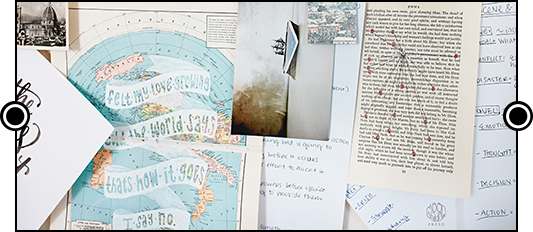
1. Create a mood board (mind map) . Typically, this map highlights the most striking elements and details that form the overall concept. For example, a mood board for a Western-themed coffee shop might include shades of brown, black, and ocher, a cowboy hat, a sheriff's badge, a Colt rifle, tack, a galloping horse, leather and suede clothing, a lasso, the desert landscapes of the Wild West, and so on. Using the mind map as a reference, the designer will work to visualize this image in the interior, exterior, and decor.

2. Defining the color scheme. At this stage, the designer determines the dominant and supporting colors and shades of the future establishment. The interior design and all documentation for the establishment are completed within this scheme.
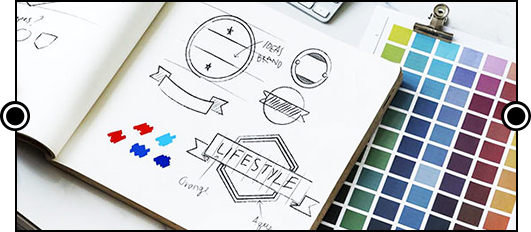
3. Developing a coffee shop logo. This is the foundation of the entire corporate identity, the key element that brings the entire image together. The logo is created based on a mood board and must fully align with and convey the chosen concept. The logo can be accompanied by a subtitle or without one – both options are acceptable and used equally often.
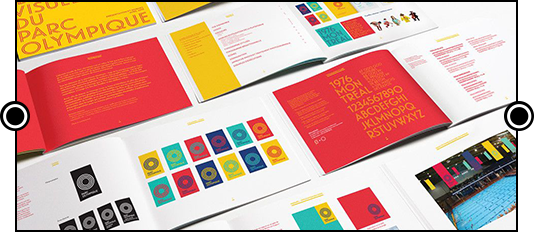
4. Develop a café brand book (guideline). This is a guide for the use of the corporate style and its individual elements, with explanations of why this particular style was chosen and what it signifies.
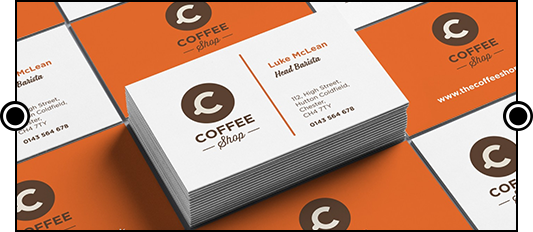
5. Cafe business card design. A business card is one of the most important points of contact between a cafe and its clients and partners. Therefore, its design is developed within the framework of the cafe's corporate style and overall concept.

6. Coffee shop menu design. Given that the menu is a key element of communication between the café and its customers and the primary point of contact, all kitchen and bar items should be clearly separated and structured. To stand out from the competition and create a unique, recognizable menu (which, admittedly, is no easy feat), an unconventional approach to its design is required. In addition to using corporate identity elements (logo, fonts, and color scheme), the design itself should be stylized. You can experiment with different paper textures, food photographs, printing methods, and other creative touches.

7. Tableware and supplies. Some coffee shop owners overlook the importance of this factor, but they shouldn't. In fact, the appearance of tableware and serving accessories is crucial to maintaining a consistent coffee shop style. It may seem like a minor detail, not worth obsessing over. But it's precisely these small details that create a unique, inimitable, and well-thought-out overall image for your establishment.
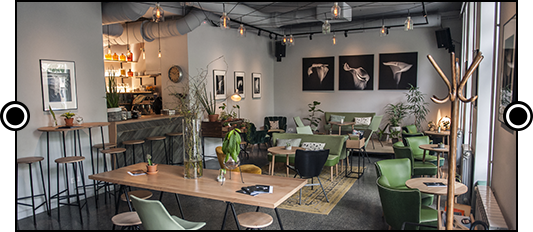
8. Interior. The unique design of each of the above elements is important. But to ensure the overall picture is coherent and the concept is clear and understandable to the target audience, it's crucial to maintain a consistent style in the interior design. Colors and shades, illustrations, fonts, decor, textures, lines, and proportions—everything should echo, support, and complement the chosen theme.

9. Sign design. A sign is another point of contact with the audience. Therefore, its design should be developed within the framework of the corporate identity. It should contain the logo, name, and slogan (or tagline), and be eye-catching, interesting, and memorable.
To create a unique brand identity that your target audience will remember and love, it's crucial to develop a clear concept and meticulously craft it. This requires the work of a dedicated team of professionals: designers, marketers, copywriters, and photographers. The team at WeLoveBrands is here to help. We'll make your brand vibrant, eye-catching, memorable, and beloved.