
Receive a presentation of services and expert advice
The best people in the industry oversee your brand development process
→ Need branding, design, or creative solutions? Call us at +48 505 648 022 or message us on WhatsApp.
 WeLoveBrands.pptx

The best people in the industry oversee your brand development process
In the same clinic, one dentist's office hours are scheduled months in advance, while another specialist with a similar level and education may have "windows." Another example: a dentist, when moving to a new position, "leads" most of his patients. Sound familiar? What's the reason for this? If patient preferences were influenced solely by the doctor's qualifications, such phenomena would clearly occur less frequently. Clearly, in addition to education and skills, there are other factors that contribute to the demand for a dentist. One of them is personal branding.
WeLoveBrands experts shared how to build a personal brand, where to start, and what mistakes to avoid. The article also includes a selection of books for beginners, those looking to expand their personal branding knowledge, or those looking for case studies relevant to their business.
In 1937, in his book "Think and Grow Rich," Napoleon Hill, author of a series of books on success, first coined the concepts of "personalbranding" and "self-positioning." These concepts were later developed by American writer and business guru Tom Peters in his article "The Brand Called You." Peters defined "personalbranding" as the perception others have of us, our personal and professional image in the minds of others, how they see and perceive us. He also called personal branding a "promise of value."

A personal brand isn't fame or the number of followers on social media. It's recognition, trust in knowledge and experience. It's attention to one's words and actions, the ability to influence and facilitate change in society. It's recognition, trust, and respect. A distinction is made between personal branding, image, and style.
Style is the narrowest concept; it is a collection of characteristics inherent in one's appearance: clothing, shoes, accessories, and hairstyle. It is an element of one's image—the person's perception in the minds of others, which is made up of one's visual appearance (style) and demeanor. A personal brand, in turn, encompasses style, image, competence, and professional qualities, as well as their value to society.
Dentistry, along with plastic surgery and cosmetic surgery, is one of the fastest-growing areas of medicine. This growth is driven by the declining role of state-run dentistry, the popularity of medical tourism and orthodontics, and the relatively low barrier to entry. Along with the growing supply of services, competition has significantly intensified. In the battle for patients, everything matters: the clinic's reputation and popularity, as well as the recognition of dentists' personal brands. A dentist's personal brand:
increases patient confidence;
stands out among colleagues;
provides and demonstrates competitive advantages;
attracts new and retains current customers;
increases the average bill for a clinic or private office;
expands the geography of its activities;
increases loyalty to the medical institution;
increases the recognition of the specialist.
And most importantly, a personal brand gives freedom of choice and the opportunity to realize bold plans. A dentist with a strong personal brand can choose an interesting and well-paying job or start their own business.
Not everyone enjoys excessive publicity. A recognizable figure must constantly monitor their behavior and statements. Inadvertent statements and actions can provoke an aggressive reaction and condemnation, negatively impacting the business and income of a doctor or clinic. Furthermore, promoting a brand online takes a significant amount of time. Content must be regularly updated to appear in recommended sections and maintain high reach. Websites also need to be constantly updated, otherwise they lose search engine rankings.
Branding thrives on regularity and consistency. Once a brand's positioning is chosen , it must be maintained, and drastic changes can lead to the loss of a significant number of supporters.

One definition of a personal brand is: a personal brand is a set of skills and individual characteristics that are evident in interactions with others and in work activities. In other words, it is a set of attributes or componentsof a person-brand.
Some attributes define personality. These include age, gender, socioeconomic status, and personal qualities. The second group characterizes professional and business qualities: education, qualifications, skills, and abilities. Important components include appearance, values and ideals, competitive advantages, and personal history.
First, the most characteristic attributes that demonstrate value and uniqueness are selected, then a coherent image of the dentist is formed from these. Often, people themselves don't know which qualities to emphasize. The archetype method helps create a unified picture.
To develop a lasting image, archetypes are used. Carl Jung coined the term "archetypes" to describe typical subconscious patterns of human behavior. In modern psychology, archetypes explain personality differences and the causes of conflicts, and in branding, they help create a clear image in the eyes of consumers. For example, Lego appeals to creativity in its brand promotion using the "Creator" archetype. Rolls-Royce, using the "Ruler" archetype, emphasizes the status and power of its owners. Harley-Davidson appeals to the "Rebel" archetype.
Most often, an image is formed by several archetypes, one of which is dominant. When selecting archetypes, the typical needs of the target audience and the desired image of a public figure or representative of a particular profession are analyzed. The ideal image of healthcare professionals in general, and dentists in particular, is of a competent professional with specialized education, extensive knowledge, wisdom, and caring. When creating a dentist's personal brand, the following archetypes are used in the following order:
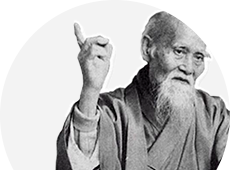 Sage .Sages are distinguished by their impartial analysis of situations. They always find the best solution to a problem. They possess knowledge and wisdom. They are inquisitive and think through everything down to the last detail, striving for objectivity and fairness. They seek the truth and work with a long-term perspective. They distance themselves from conflicts and act honestly and objectively. They are distinguished by well-developed intuition and have their own opinion on everything. Sages are always calm and unperturbed. Negative traits of the Sage archetype include rationality, sometimes even insensitivity, and a lack of empathy. These are compensated for by the Caring archetype—precisely the qualities most patients need.

Caregiver .Caregivers are driven by empathy and a desire to help others. Generosity, compassion, self-sacrifice, and action for the benefit of others are characteristic of them.
 " Hero . "In the eyes of their patients, dentists are often portrayed as decisive and courageous heroes. Heroes operate according to their own rules; their office is a battlefield where challenges require decisive and prompt action. The hero's job is to make the world a better place. They are the archetype of energetic, disciplined, focused, and decisive people. Heroes help in difficult situations and save others from hopeless ones. They protect the weak, the vulnerable, and the sick.
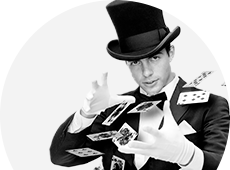
" Magician ." We all expect qualified treatment and, at the same time, a miraculous cure. We expect to see a specialist with fundamental knowledge and magical hands. All new technologies and modern equipment are a small miracle for us. Therefore , adding a touch of magic to the image of a dentist is always a winning decision.
To establish rapport with patients, a dentist can also benefit from the "Good Guy" archetype, and in some cases, if patients require strict adherence to doctor's orders and strict discipline, the "Ruler" archetype. Special tests can help you determine which archetypes best suit your professional and personal qualities. The specialists at WeLoveBrands studio can help you effectively build a personal brand based on these archetypes.
Dental clinics have long been promoting their own brands online. Personal brands for dentists are a new concept for many. Some dentists try to develop their brands themselves, while others delegatepromotionto friends and acquaintances. Some manage to strike the right tone right away, but a lack of knowledge and experience often leads to mistakes. Here are the most common ones:
Tell it like it is .Sometimes doctors think they can become popular simply by sharing their story on social media. In reality, they prefer those who dedicate time and attention to their brand, who have managed to reach people's hearts, and who are constantly working on improving themselves. To find the right words and methods for communicating with your audience, you need to define your goals, consider your image, behavior, and communication style.
Adapt completely to your audience .The opposite of the first mistake is to play up to your followers and try to tailor your content to their tastes. People are attracted to strong characters with a clear vision. A personal brand should make its owner stand out. This is the only way to earn the respect and trust of online users and real-life clients.
Withdrawal and isolation .Many consider publicity and openness to be the behavior of freaks and eccentrics. Often, people consider their lives uninteresting and don't want to put them on display, limiting themselves to showcasing the professional side of their lives. Promoting a personal brand is incompatible with isolation. The public is interested in the individual, not the robot. They value stories, feelings, sharing failures, and ways to resolve negative situations.
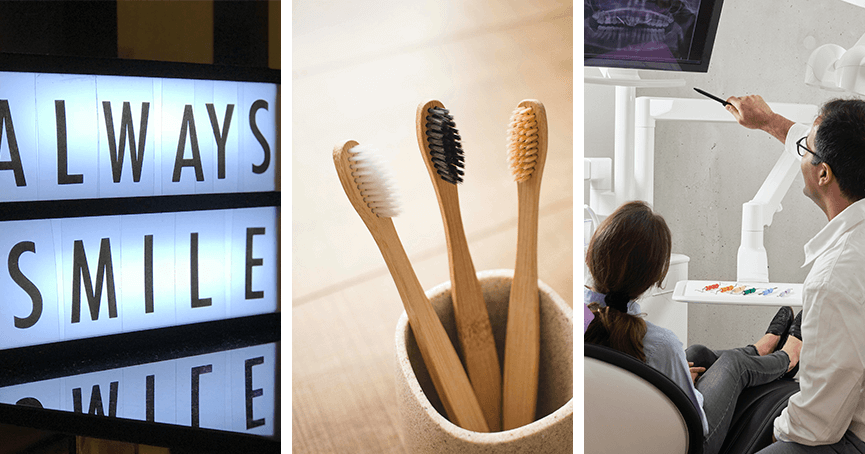
Being overly modest ."I'm not ready yet, people aren't interested in me, I still need to develop and gain experience..."—this kind of thinking is a big mistake. Even a young dentist can find an audience by sharing facts and engaging stories. The best tactic is to develop your brand and grow with it.
Doing everything yourself .To build anddevelopa successful brand, you need knowledge of marketing, branding, psychology, and SMM, as well as the basics of copywriting and photography. Not everyone is gifted at being a "generalist." Furthermore, people often tend to be overly self-critical or, conversely, overly self-confident.
Disengage from the process .Trusting specialists doesn't mean completely removing yourself from brand development. You need to constantly communicate with your audience, respond to questions and comments, and handle requests on the website or through Direct.
Expect quick results . Examples show that a personal brand doesn't yield immediate results. Sometimes promotion takes six months, sometimes a year or more. Dental services aren't used every day. People may spend a long time reviewing the dentist's work and patient reviews. Over time, if the personal brand inspires trust, the user will inevitably seek help.
Persistence, sincerity, systematic work, and expert assistance are essential components in creating and promoting a personal brand.
Since Tom Peters coined and popularized the term "personal brand," numerous books have been written on the topic. Their number is directly proportional to the topic's importance. Marketers at WeLoveBrands have compiled the five best books on personal branding.
The ABCs of building a personal brand, written by the founder of this concept. The main idea is how to use a personal brand to build a career and free yourself from the dictatorship of your boss. The author introduces potential challenges and teaches you to view failures more clearly. This book will help anyone who needs to organize their life, understand themselves, their own value, andtheir individuality.
This book will show you that a personal brand is more than just a business card and a resume. The author explains how to expand your personal brand through social media, online message boards, and online communities. This book is a step-by-step guide to help you stand out from the competition and build a professional image and reputation.
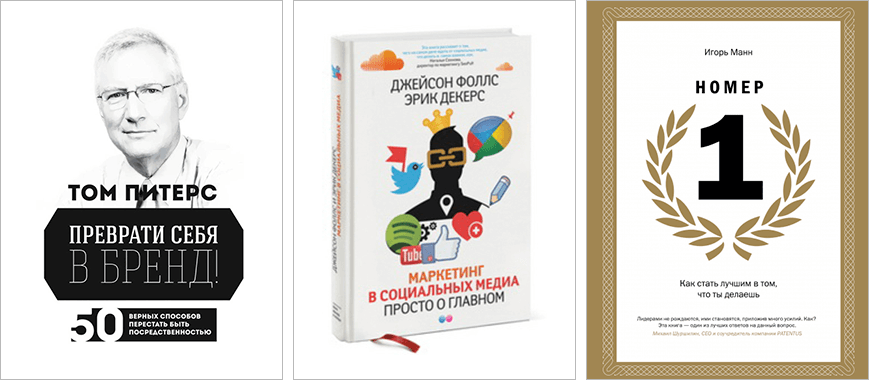
"If you don't build your personal brand, someone else builds it for you." This book is about finding your path, mission, and purpose. The authors teach how to develop creativity and unique qualities, and identify yourself in real life and online.
A story about how social media marketing can strengthen and grow a business. The authors use personal examples to demonstrate the effectiveness of social media, blogs, and other online communication channels. This book is for those who want to understand customer needs, establish constructive dialogue with them, and earn more.
Igor Mann is the author of ten bestselling books on marketing. "Number 1" is one of the best encyclopedias on personal branding. The book contains practical recommendations and a minimum of theory. Helpful tips based on the author's personal experience, as well as exercises, facilitate better understanding of the material.
If you're a qualified dentist and need to build a successful career, attract new patients, reach the next level, gain social recognition, or increase your clinic's popularity, we recommend working with you to create and promote your personal brand. To build a successful personal brand, we:
we conduct a consultation and discuss details;
we define the goals of personal branding;
we are preparing a strategy;
we are developing a unique offer;
we study the market, main competitors and target audience;
We help create or optimize websites and social media profiles;
We build effective communications with the target audience.
Still have questions? Want to build a strong personal brand and increase your income? Contact us or leave your request in the chat on the website. Earn more with WeLoveBrands!