Receive a presentation of services and expert advice
The best experts in the industry will oversee your brand development process.
→ Need branding, design, or creative solutions? Call us at +48 505 648 022 or message us on WhatsApp.
 WeLoveBrands.pptx

The best experts in the industry will oversee your brand development process.
The past offers numerous sources of inspiration, so designers return to it again and again to create creative and emotional works. This trend, which uses the spirit of the past to design new things, is known as retro style. This design attracts the audience and creates a special connection. It creates an incredible atmosphere and evokes a sense of nostalgia.
Retro is an abstract concept applied to various categories of vintage objects that have cultural or material value. Retro style emulates fashion trends, lifestyles, and art forms from the past (at least 20-30 years prior).
Advantages of retro style:
 attracts the attention of consumers;
 evokes pleasant emotions and associations;
 conveys the spirit of the era and creates a special impression;
 allows you to create an impressive design;
 distinguishes the company from its competitors;
 helps to highlight the brand's individuality.
The style is characterized by lightness, playfulness, and friendliness, which is why it is popular in various fields, especially in printing and in the development of websites, logos, corporate identity, packaging, and advertising posters.
The term "retro style" emerged in Europe in 1972 to describe new items inspired by the past. The word comes from Latin and means "back."
It's generally accepted that the style originated in the 1920s, when women began wearing short skirts, sleeveless dresses, and silk stockings. This means that the first manifestations of this trend were reflected in fashion, and only later spread to other areas of life.
The term retro encompasses the style of the 1920s-1980s, and the style itself is divided into four main directions according to time periods.
Types of retro style:
 The 1920s and 1930s were a period of female emancipation. Short dresses and skirts, sleeveless clothing, black and purple, jazz, cinema, and airplanes were all in fashion.
 The 1940s and 1950s were a post-war period characterized by serenity and a love of classics. Initially, neutral tones and a lack of embellishment were popular, but with the advent of the 1950s, bright colors, bold outfits, flared skirts, and pearls took over.
 The 1960s and 1970s saw clothing characterized by lightness, femininity, and casualness. Bright prints and colors were considered fashionable.
 80s – geometric shapes and different patterns came into fashion.
In the 1980s, the concept of retro expanded significantly. From then on, the style began to be applied not only to clothing, furniture, and interiors, but also to advertising and art.
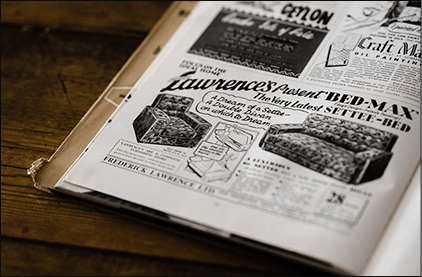
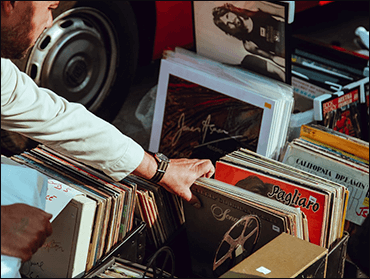
With the development of graphic design, retro style was used to create posters, postcards, advertisements and illustrations, and then in the development of logos, corporate identity and packaging design.
Distinctive features of retro style:
Based on the design features, classic and modern retro are distinguished. The former features stylized blocks and images reminiscent of old magazines, while the latter features muted colors, handwritten fonts, and decorative elements.
Since retro is characterized as a light and positive style, it cannot be used for companies that want to emphasize reliability, stability and solidity, such as construction companies, pharmaceutical manufacturers, law firms and industrial enterprises.
This style is best suited for creative individuals, creative companies, and entertainment venues (designers, artists, cafes, photo studios, event organizers, etc.). It's also a great way to create engaging and engaging blogs or portfolios.
To create a compelling design that will attract attention, evoke emotion, and a sense of nostalgia, it's essential to select the right elements. These elements best suit the specifics of your business, help convey your message, and reveal your company's character.
6 main components of retro design:
 Images
The design often features atmospheric images reminiscent of the era. The illustrations often feature people and vintage objects (cameras, electronics, cars, etc.).
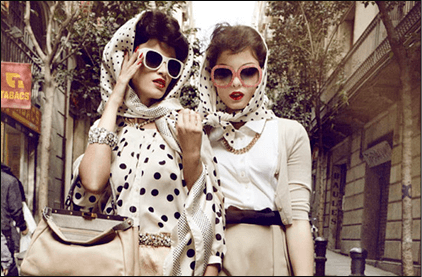
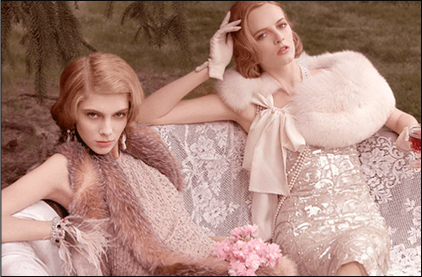
A common technique used by designers is to artificially age a design. To achieve this, they choose muted, subdued colors that appear to have faded over time.
 Geometry
The style involves the use of lines, various shapes, and forms (rectangles, squares, circles, and triangles). These are used to attract attention and create accents.
 Color scheme
The style is characterized by both bright, saturated shades and muted pastels. The former are used for accents and contrast, while the latter are chosen to create an antiqued, distressed effect.
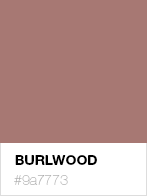
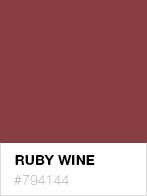
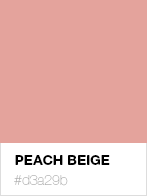
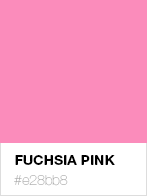
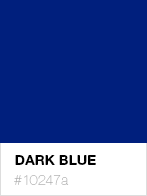
Popular colors are beige, gray, white, yellow, pink, blue, red and black.
 Ornaments and patterns
A distinctive feature of the style is the use of various ornaments, monograms, and shadows. Combined with muted tones, they create an incredible atmosphere.
 Textures
Retro designs often feature imitation paper and other materials (wood, newsprint, cardboard, rough fabric, and book pages). This adds a touch of color and helps convey the spirit of the era.
 Fonts
Retro is characterized by the use of unusual and interesting font styles. Handwritten, simple, and light fonts with flourishes and embellishments are most common. These fonts attract attention and help highlight a company's individuality.
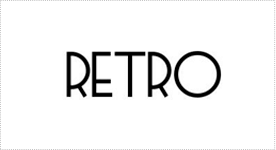
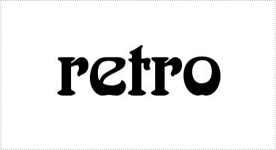
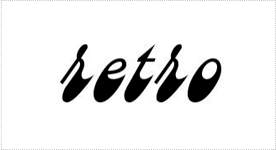
Using these elements, you can create an atmospheric design that will catch the eye, stand out from other market players, be well-received, and be easily remembered by your audience.
For a stunning retro-style design, contact WeLoveBrands. Our designers study your business, competitors, and audience needs, develop a strategy, explore various ways to achieve your goals, and select the option that will enhance your company's image. For a consultation or to book a service, call us or send us a message in the chat.
Both classic and modern retro styles are used in posters , illustrations, and advertising. The choice of elements depends on the theme, goals, and the period in which consumers need to be immersed.
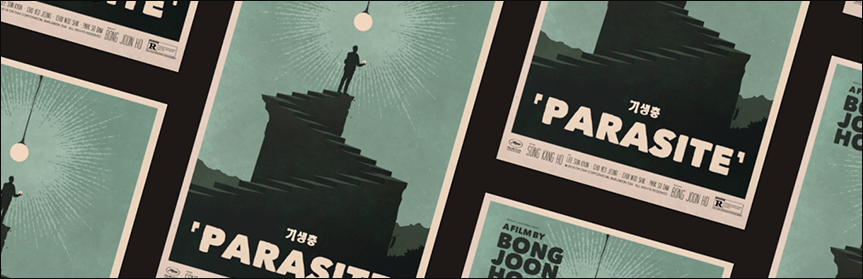
Style allows you to draw attention to a product, creatively present the company, and highlight its benefits. It can be used to create an emotional design that will enhance information comprehension and strengthen the bond between the brand and consumers.
As the market evolves, new branding requirements emerge. To stand out from the competition, increase brand awareness, and boost sales, companies employ various tools and techniques, including the development and updating of brand logos and corporate identity .
Fonts are at the core of such logos. They should not only fit harmoniously into the overall design, be concise and legible, but also reflect the company's character.
Retro-style logos are most often chosen by entertainment venues, clothing brands, and food producers.
Using shapes, textures, and colors that were popular from the 1920s to the 1960s allows you to create a unique design that looks attractive and solid.
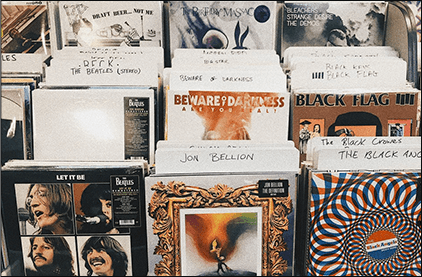
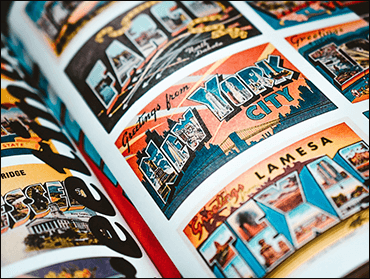
Modern retro-style packaging is eye-catching and entices the consumer to pick up the product, while classic retro packaging evokes nostalgia and pleasant associations.
For this reason, retro packaging design can be called selling, emotional and image-building.
Retro-style website and social media design emphasizes a specific period or era. This design is attractive, intriguing, and creates a sense of value.
This style promotes company recognition and trust. Despite this, it's not often used in web and social media design .
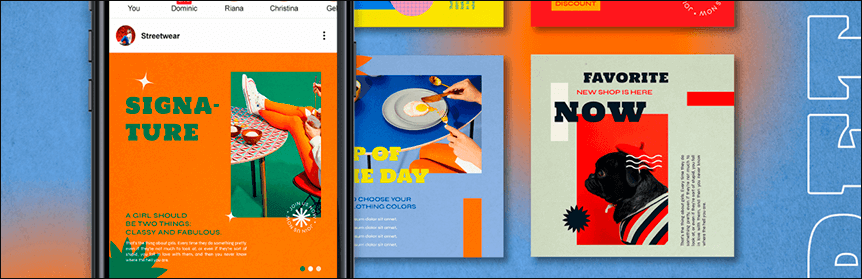
@ Shinra Labs
Retro isn't suitable for all businesses, so when choosing a style, consider the theme and specifics of your business and the impression you want to make on your users.
A light and unobtrusive retro design is more suitable for similarly light companies working in the creative and entertainment industries, as well as information publications, beverage and food producers, portfolios, and blogs.
Retro style isn't very common in Ukrainian design. The past is primarily used for event and theme party posters, to convey the spirit of the 1920s-1980s, or to evoke a sense of nostalgia.
Most often, designers use the style that was present in the design of Soviet packaging in the 1970s and 1980s.
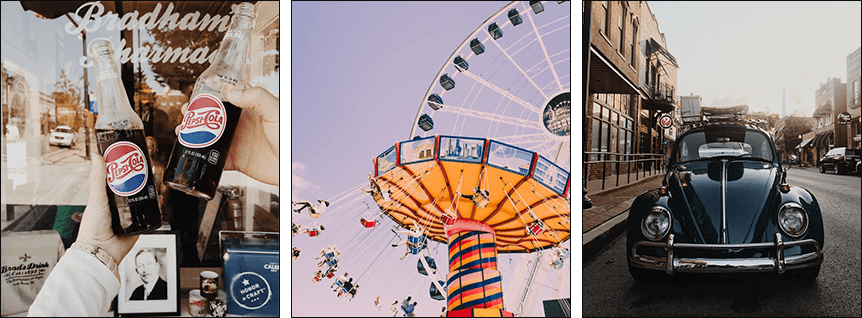
Retro style is used for packaging, website designs, logos, advertising posters, and illustrations. It is favored by manufacturers of various products, entertainment companies, and creative professionals.
The design uses neutral and muted colors, images of people, and various textures to imitate newspaper pages, paper, etc., creating worn and aged effects.
The concept of retro style emerged in 1972. This trend began to actively develop in France, Great Britain, the USA, and other countries.
The French word "rétro" is short for "rétrospectif," and it gained value with the development of cinema and literature after World War II and the reassessment of France's role in it.
The concept of retro was first applied to French fashion, and then the style spread to advertising and design.
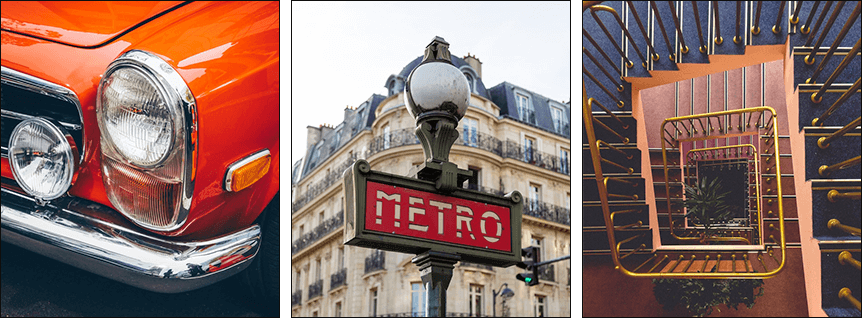
Similarly, in other countries, style was first used in fashion and art as a modernization of the past, and then as an ironic expression of a desire to evoke nostalgia. At that time, interest in the past was fueled by people's dissatisfaction with the present.
Retro gradually permeated all spheres of life. It began to be used in logos and corporate identities, advertising and marketing, interior design, and the manufacture of clothing and other products.
This style is now used in business to create an atmospheric design, differentiate itself from competitors, attract attention, and increase sales by establishing an emotional connection and trusting relationship with consumers.
To achieve a unique design that reflects your company's values and enhances its image, you need to contact a professional designer.
You can find such a specialist through freelancing or in a design studio. The first option allows you to save money and achieve a good result, provided you find an experienced and responsible designer. The second option is more expensive, but in this case, you'll definitely get what you expect.
The cost of the service depends on various factors, including the region, the designer's qualifications, and the specifics and complexity of the work.
You can find a freelancer who will create a logo for 30-50 $, packaging for 10 $, and a website for 80 $. However, in this case, there's no guarantee you won't end up with a bland and ineffective design.
Design studios charge higher prices, but the results are worth it. Designs for packaging, posters, and other advertising materials start at $20, logos start at $150, and corporate identity starts at $130. Prices vary depending on the project deadline, complexity, and design type.
WeLoveBrands has a team of creative and experienced professionals who will work on your project. Our designers research your business, competitors, and target audience, then brainstorm ideas before beginning the design process. This ensures you receive a result that best meets your requirements and a recognizable design that will resonate with consumers.
To get a consultation, order a retro-style design, and find out the full cost of your order, contact us by phone or via online chat.