Receive a presentation of services and expert advice
The best people in the industry oversee your brand development process
→ Need branding, design, or creative solutions? Call us at +48 505 648 022 or message us on WhatsApp.
 WeLoveBrands.pptx

The best people in the industry oversee your brand development process
To attract more clients to their fitness clubs, increase their income, and differentiate themselves from competitors, trainers develop a personal brand. Despite the benefits of personal branding, trainers often neglect social media accounts and digital marketing tools in general. This results in missed opportunities to attract clients to personal training and online courses.
A personal brand is an emotional image formed by people who have interacted with your product or services. It builds loyalty among your target audience and increases sales, allowing you to advance as a blogger, expert, influencer, or media personality.
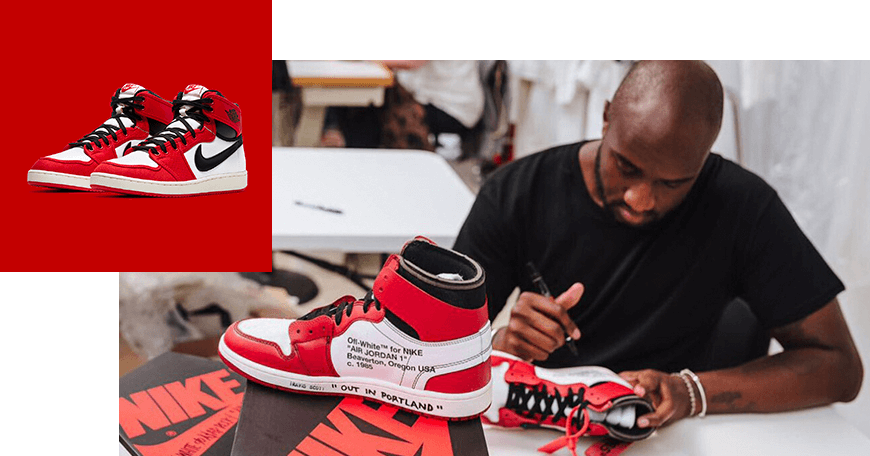
For example, Michael Jordan is a famous basketball player who signed a contract with Nike early in his career. In collaboration with the company, he released Air Jordan sneakers, which sold well and helped Jordan monetize his name. In 1996, the basketball player also starred in the film Space Jam: A New Legacy.
Conor McGregor is an Irish mixed martial artist and professional boxer. Since 2018, he has also managed his own whiskey production company.
Personal branding allows you to :
 to form a positive image;
 expand the customer base;
 stand out from the competition;
 increase consumer loyalty and trust;
 demonstrate personal expertise;
 increase awareness online and in real life;
 promote services in various digital channels.
By developinga personalbrand, you can tell a wider audience about yourself and your work, share valuable experience, and make useful connections for future collaboration.
A personal brand online creates a first impression of a person even before they're actually met. This image evokes emotions, shapes audience expectations, and conveys the fitness trainer's value. Furthermore, in the communication channels where the trainer's brand is promoted , it's important to demonstrate professionalism and let followers know that communication with them is not solely about making money.
To achieve this, useful and interesting content is published on social media and on the website. How to influence people's impressions and increase user loyalty:
Engage with your subscribers .Reply to comments and private messages. Don't ignore negative feedback. Respond to positive messages or comments with gratitude, and to negative ones, identify the cause of the negativity and try to resolve the issue.
Use storytelling . When you're speaking to an audience and feel them starting to tire, just one phrase is enough to perk them up: "I want to tell you a story." Once you've said it, you'll see how quickly people's attention snaps into focus. The same principle applies online.
People love stories and enjoy watching commercials that incorporate storytelling. You can use any story—from where you trained as a fitness trainer, which famous bloggers you worked with, what mistakes and funny situations you encountered, to the hobbies of your favorite sports coaches.
Generate quality content .Share helpful tips with your subscribers, update them on sports news, and create engaging collections: "Top Barbell Squat Mistakes," "Common Mistakes That Are Keeping You From Weight Loss," "Myths About Strength Training," and so on.
Share your personal achievements . Share completed projects, showcase your trainees' results, and announce awards for bikini models you've trained.
These actions will help you create a positive image, showcase your personal strengths, and engage your target audience. It's important to be yourself, not to create a fantastical image or ascribe to yourself non-existent successes. It's most effective to be consistent with your style and behavior, which you adhere to in your everyday life.

Promotinga personalbrandis a comprehensive effort aimed at revealing and communicating the core elements and key qualities of a fitness trainer. These include:
benefit- useful information and motivation that you and your communication channels bring to people;
positioning– uniqueness, strengths, advantage over competitors;
image- appearance, behavior pattern, clothing style, hairstyle, etc.;
mission– the purpose of a personal brand;
strategy- a planfor developingyou asa brand person, the communication channels used and the types of content published;
Values are rules of life that are consistent with the key values of the audience.
These elements are taken into account from the very beginningof developingthe imageof a personal brand. Important: positioning, image, mission, and values are formed and do not change radically as the personal brand develops. Be consistent in your words and actions. It's impossible to be a strict adherent of veganism and then switch to a meat-based diet after years ofdevelopingsocial media profiles without causing a negative reaction from your audience of thousands.
What motivates people to become attached to a brand? Why are consumers willing to queue early in the morning to be the first to buy a certain company's latest product? Marketing and brand loyalty certainly play a role. However, our attitudes and perceptions of a company are also influenced by deeply ingrained archetypes, or images and associations. For example, Bounty is associated with islands and paradise, while Coca-Cola's Santa is associated with family values.
If you analyze why we prefer certain brands over others, you'll discover that your favorite brands are likely based on the same archetype. The concept was formulated by Carl Jung, and Carol Pearson and Margaret Mark adapted it to brands and marketing in 2001. Today, there are 12 main archetypes in branding, each with its own values and characteristics.
To choose an archetype for your brand, it's important to focus on your target audience and the image you want to create.
Specifically, focusing on the target audience's core desires, their goals and values, their emotions and core fears, and their logic. Archetypes are used in every brand communication channel—from visuals and texts on social media to the selection of influencers or bloggers for advertising. We've compiled the optimal archetypes that are suitable for a fitness trainer or gym.
This archetype is characterized by innovative approaches or an emphasis on service, as well as an expression of individuality through acquisitions.Examples ofthe Explorer archetype include Subaru, Johnny Depp, GoPro, and Jeep. In communication channels, emphasize the versatility and practicality of training. This archetype is ideal for fitness trainers who produce their own online courses.
What to watch for inspiration:the "Sportmaster. Not a day without sports" commercial.

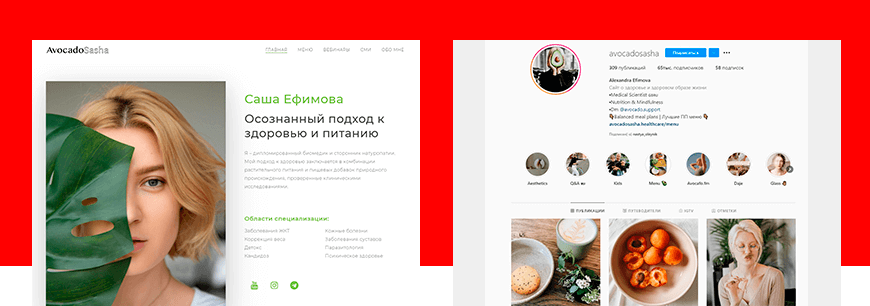
The Sage conveys expert information, backed by years of experience in the field. Expertise should be confirmed by certificates and awards. A brand built on this archetype encourages thought. Prominent examples of Sage-branded individuals include Harvard, CNN, and The Oprah Winfrey Network. Communication channels should emphasize experience and recent research.
What to watch for inspiration:Avocado Sasha's blog, written by Russian biomedical specialist Sasha Efimova, who graduated from the American School of Milan and the University of Oxford.
The Rebel's methods and content often have a revolutionary character. They emphasize independence and "out-of-the-box" thinking. Examplesofbrands based on this archetype include Harley-Davidson, Jack Daniels, and Diesel. Target your advertising not only at men and bold women, but also at extreme sports enthusiasts.
What to watch for inspiration:Harley-Davidson commercials and the Instagram profile of Ukrainian actress, certified yogi, and boxer Tatyana Gaidar.

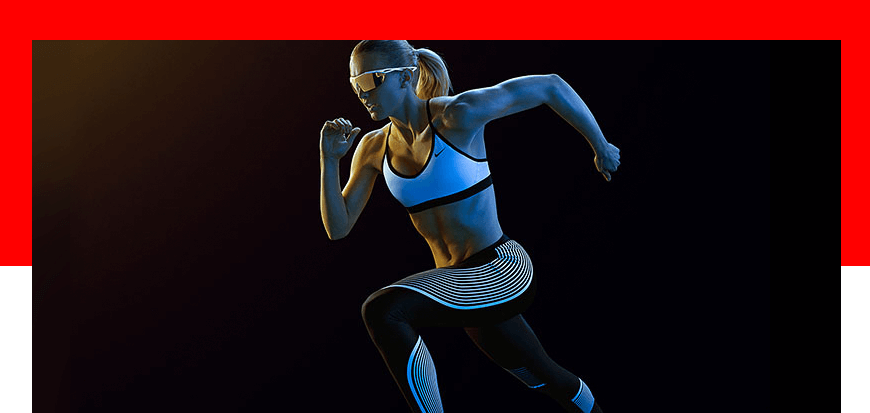
The Hero is the embodiment of an innovative product or methodology that helps fitness trainers discover their strengths and potential.Examplesof brands include Nike, Nissan, and superheroes. For effective sales, the Hero is recommended to challenge the consumer in advertising. The motivation for purchase should be the opportunity to become stronger, more resilient, and overcome fear. Danger and extreme sports are key components of the archetype, and the Hero derives particular pleasure and thrill from overcoming obstacles, self-improvement, and continuous growth.
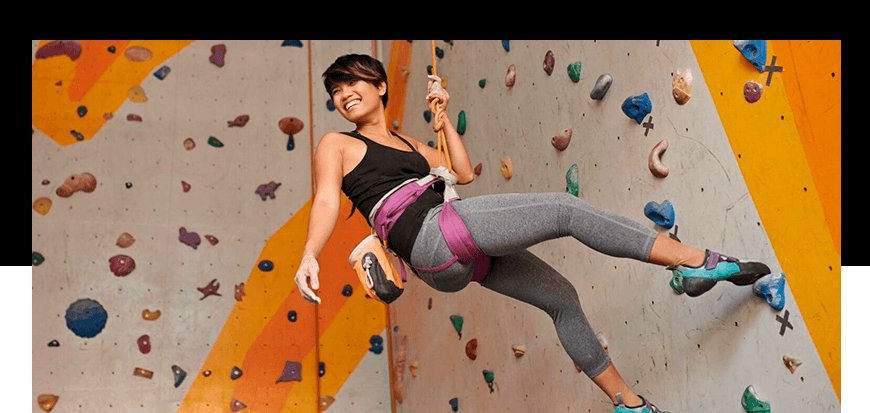
The archetype's characteristics include an emphasis on service, customer support, associations with healthy eating, and caring for the customer. To effectively sell, the Caring One must provide prompt assistance to customers in resolving their issues.
In the fitness industry, as in any other business, there's competition for clients. Your goal is to prove that you're the best, that you'll see results faster, and that your workouts are more comfortable, varied, and engaging. When managing social media profiles and promoting your services, fitness trainers are advised to consider the following factors:
 Competitors . This could even include fellow gym members. If there are many gyms in your city, you'll have to compete more intensely for customers' attention.
 Training Focus . In addition to weight loss, muscle strengthening, and mass gain, many new fitness trends have emerged in recent years: aerial yoga, terrarobics, tak-bo, callanetics, TRX, pole sports, and others. A trainer's job is to explain to their target audience their specialization. This should be clear from the visuals on the website and social media, as well as from the text, Instagram profile header, and so on.
 Target audience . There are generalist trainers, and there are specialists who work with specific audiences: young mothers, men, competition or performance preparation. Content must be generated for current and potential clients.
 Location . A fitness trainer's target audience is primarily people who live or work near their gym. This is important to consider when promoting social media accounts—for example, when setting up targeted advertising. However, there's a downside: your goal in promoting your personal brand may be to emphasize recognition or image building, or to develop an account focused on online training. Such trainers don't need to be tied to a specific location.
A fitness trainer's job is to demonstrate that they're superior and worth training with. This can be achieved through well-thought-out, engaging content. Each post should serve a specific purpose:






show your professionalism;
advertise available hours for personal and group training;
inform about promotions or changes in the gym’s operations;
strengthen user trust;
increase engagement with content;
increase profile activity.
Organize your content into categories: broadcasts with sports stars, life hacks or exercise collections, lifestyle posts about personal life and nutrition, “Before and After” of clients, and
Stories are a great place to publish exercise technique tests and client testimonials. High-quality, vibrant photos and helpful information in your posts are essential forbuildingyour personal brand and attracting new people to your workouts.
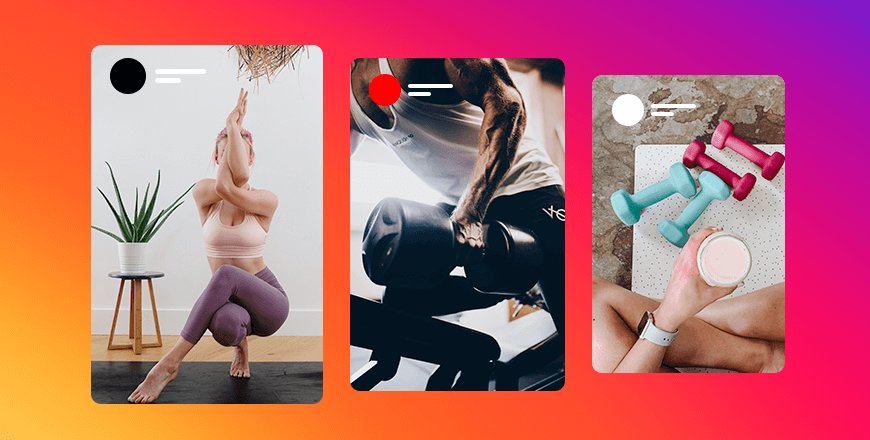
Some began their careers by studying nutrition and fitness at renowned universities around the world. Others gained popularity by accident: simply by posting workouts that helped them lose weight after pregnancy. We've compiled a list of the top four fitness stars, according to Forbes.The examples in this collection highlight the benefits, body aesthetics, and motivation.
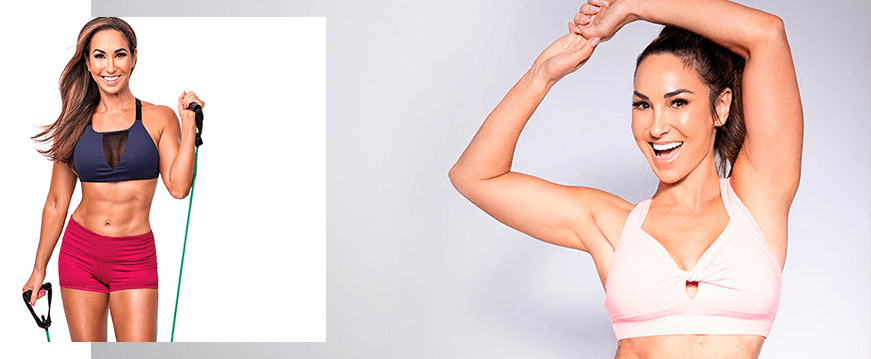
Instagram followers:516,000
Jill, 49, started an Instagram account to share nutrition tips and talk about her struggle to lose weight during pregnancy. Now, the fitness trainer has a book, a website about sports and nutrition, popular video tutorials, and an app with workout tips.
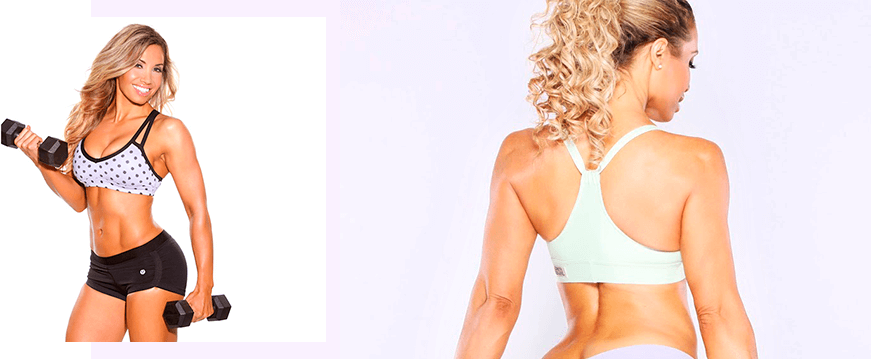
Instagram followers:2 million
A personal fitness coach has launched a personal brand by sharing workouts for those seeking an hourglass figure, without mindless "cutting" or strict diets. The coach runs her own fitness club franchise and offers online training programs.
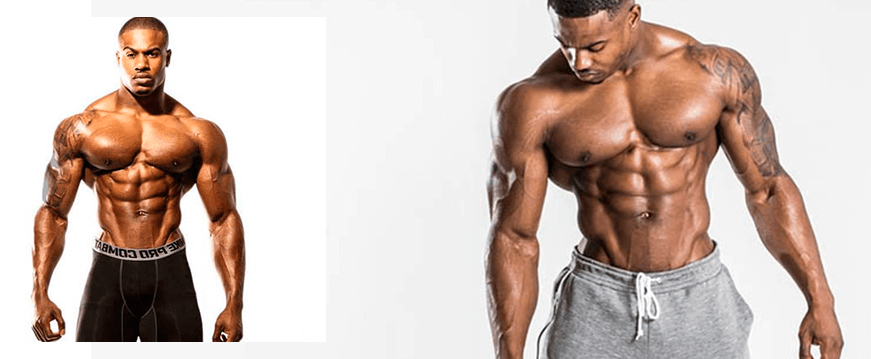
Instagram followers:7.7 million
The fitness model, professional athlete, and trainer has been involved in sports since the age of 16. Simeon has been blogging about sports since 2013, and his following on Instagram alone has nearly reached 8 million. His videos receive over 600,000 views. Panda also publishes e-books with sports tips, as well as a line of sportswear and accessories.
Instagram followers:1.8 million
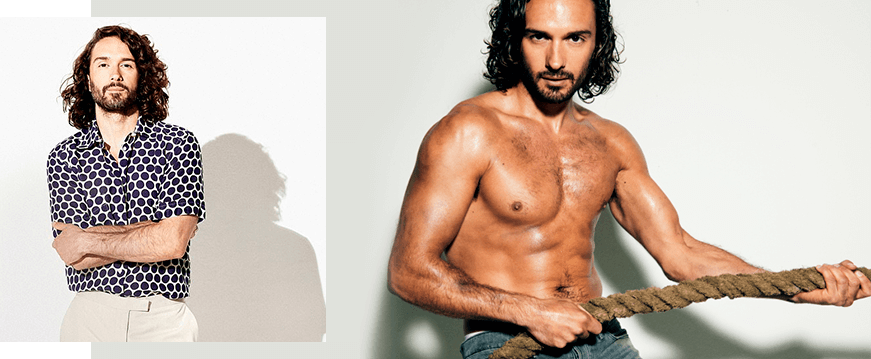
Joe Wicks is a popular blogger, fitness coach, and author of books on healthy eating. On social media, he shares 15-minute workouts that, if performed daily, will help him achieve a beautiful, toned physique. In his books, the fitness trainer shares recipes for healthy and delicious dishes and promotes healthy eating based on his years of experience. His Instagram profile also features many before-and-after photos of clients he has coached.
A brand is more than just a logo or slogan. To learn how to harness your strengths in branding and influence your reputation, it's important to constantly refine your knowledge and apply it in practice, as well as embrace effective promotional methods and discard less successful ones. The best way to expand your knowledge base is to learn from the best.
Author:Jürgen Salenbacher
The author is a lecturer in Barcelona (IED), Lucerne (HSLU), and Stockholm (Hyper Island). He is also a design and business coach. In his book, Jürgen Salenbacher explains how to develop creative thinking and make a brand visible to the target consumer. A separate chapter is dedicated to personal development: it contains exercises and tips to help you identify your potential, goals, objectives, mission, and values.

Author:Rohit Bhargava
Rohit Bhargava is the founder of Influential Marketing Group, a trend expert, and a branding consultant to major companies. He also teaches marketing and sales at Georgetown University. He has spoken in over 30 countries to audiences of up to 10,000 people.
Rohit Bhargava's book will teach you how to identify trends that are significant for your business. It draws on four years of research and the author's experience working with major companies such as Intel and the World Bank. The book also describes an effective methodology for identifying trends.
Author:Ekaterina Inozemtseva
Ekaterina Inozemtseva is the founder of the online school #FreePublicitySchool, a Forbes columnist, and a TEDx speaker. Since 2014, she has been helping entrepreneurs and experts promote their personal brands using free publicity tools—media publications, speeches, and books. You'll learn how to create useful and engaging content, interact with the media, identify the needs and pain points of your target audience, and master time management to get it all done.
Every service in 2021 is moving from globalization to personalization. People often visit a specific fitness trainer rather than a gym. Having a strong personal brand opens up new opportunities.
Being a brand gives you freedom, the opportunity to sell your services, knowledge, and expertise at a higher price. Furthermore, by building a large following, you can train clients worldwide or sell online training courses to people from different countries.
Today, there are numerous channels and tools available to help you create andpromoteyour personalbrand. The choice depends on your target audience and your experience, and isn't limited to the usual Facebook, Instagram, or YouTube. WeLoveBrands specialists will help you choose the right platforms to engage with your target audience and effectively promote them. We'll document your requirements and wishes, analyze the market, study your key competitors, and identify the needs of your target audience. We'll then develop a strategy andpositioningfor your personal brand.
Personal branding at WeLoveBrands also includes corporate identity development, visual design, naming, and storytelling. We also promote your personal brand separately, including your website and social media. For a consultation and pricing, please contact us by phone or submit a request on our website. Grow your business and earn money with your individuality!