Receive a presentation of services and expert advice
The best experts in the industry will oversee your brand development process.
→ Need branding, design, or creative solutions? Call us at +48 505 648 022 or message us on WhatsApp.
 WeLoveBrands.pptx

The best experts in the industry will oversee your brand development process.
Waves have long been considered one of the main symbols of the sea or ocean. Moreover, we all live in a wave environment, which consists of various vibrations (sound, electromagnetic). Therefore, it's not surprising that the wave theme, in the broad sense of the term, has found its way into various design areas (graphics, typography, identity, website design, etc.).
The "wave" style utilizes basic water elements such as waves and drops. They can flow into one another, overlap, or intersect, creating a harmonious composition.
Wave-style design combines fluidity, grace, beauty, and tranquility.Therefore, it's an ideal option foreffectively representing a brand with corporate characteristics such as naturalness, flexibility, and tranquility.
Benefits of using wave style in design :
When it comes to waves in design, it's difficult to pinpoint exactly when and where this style originated. It seems to have been popular since ancient times, when humans learned to symbolically depict various natural phenomena around them, including those related to the element of water.
And given that ripple effects continue to be an integral part of modern human life and the processes that surround it, this trend can rightfully be called “eternal.”
Waves are known to convey feelings of relaxation, peace, and meditation. Therefore, if your company's activities involve water purification or delivery, spa services, environmental protection, beauty products, or tourism, this style would be an excellent choice.
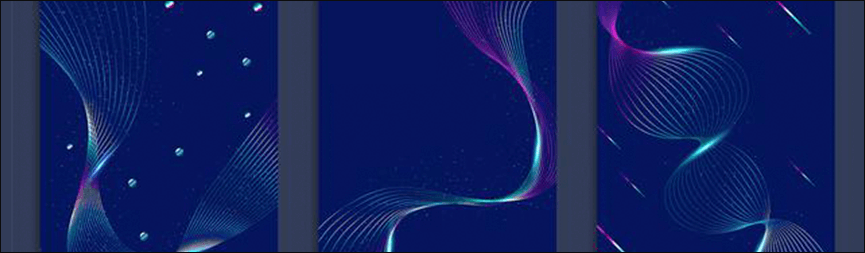
However, wave-based logos aren't limited to businesses directly or indirectly related to water. They can also be used by companies specializing in the sale or production of electronic devices or electrical equipment (as waves sometimes represent sound or electromagnetic vibrations).
Moreover, wave style can be used in a wide variety of fields where it is important to emphasize openness (due to the purity of a drop of water) and high quality (due to the transparency of the water).
The primary color palette for so-called aquatic designs is cool shades — from green to blue-violet. Blue and turquoise tones are also common. It's even possible to use red, yellow, orange, and purple shades as part of a gradient without losing their form or essence. Wave-style logos look best against a contrasting background of a related color scheme — this enhances the impression of harmony and tranquility.
Water elements are used to fill certain shapes , which can be either geometric figures (most often a circle) or specific symbolic objects. The logo's lettering is sometimes represented as outlines that visually resemble waves.
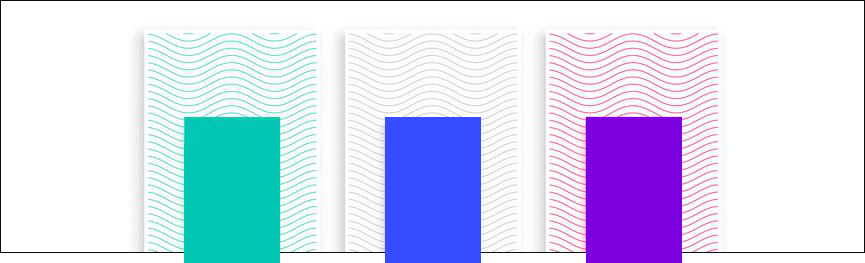
Soft lines are used not only in background design but also as illustrations. When creating them, techniques such as gradients, transitions, and overlays of translucent colors can be employed.
Wavy lines also help manage white space. In some design projects, waves are used to separate colored and white backgrounds. This technique clearly separates the title from the rest of the information, emphasizing the main point.
Wave illustrations lend a mysterious and unusual quality to designs. This makes these projects perceived differently than those using straight lines and rectangular shapes.
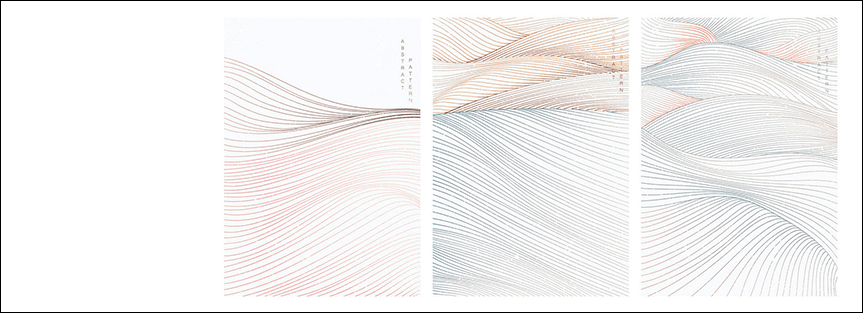
The main element of a logo in this style is always a wave icon. Depending on the organization's theme, a wide variety of images can be used. Images of fish and aquatic mammals, palm trees, shores, and rocks often harmoniously complement a water-based logo. When it comes to electrical or sound waves, designers use more abstract images (such as lines or stylized images of sea creatures).
Water has no fixed shape, so as a logo element, it is often depicted in a variety of states: splashing, flowing, fluid, or outlining an object. This property allows for the use of water elements in any variation and shape, choosing the state that best suits your company logo.
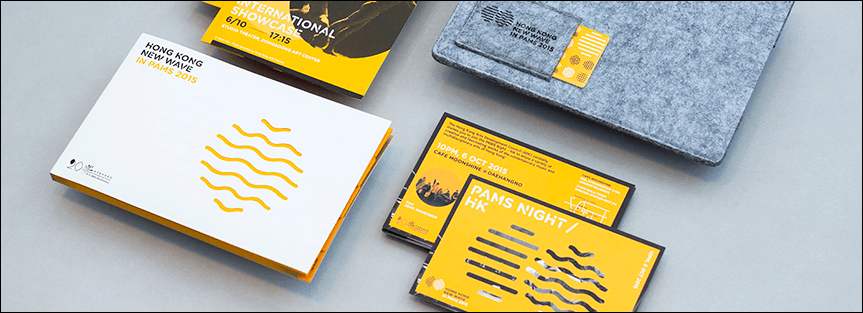
An important feature of wavy lines is that they create a sense of lightness and serenity. This contrasts strongly with straight lines and rigid shapes, which are associated with restrictions and severity, and sometimes even heaviness.
When depicted on product packaging, waves attract the eyes of consumers, who are subconsciously drawn to anything that transcends boundaries and is associated with something pleasant and unobtrusive. This is why wave-inspired designs are often seen on the labels of drinking water and other beverages, as well as on ready-to-eat fitness breakfasts—products that are directly associated with lightness and well-being.
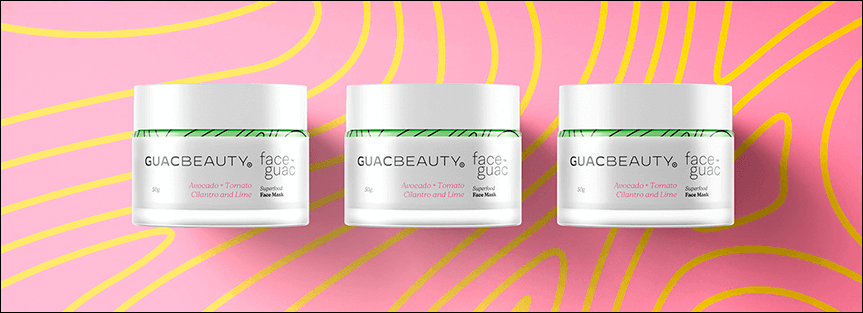
Wavy elements are also found in the design of packaging for medical products that have a liquid consistency (for example, eye drops, various solutions and suspensions, etc.).
Some brands that use wave-themed branding in their home appliances and electronics are also packaged in boxes featuring water-themed logos.
It's worth noting that waves and soft lines are gradually replacing clear, linear shapes in website and social media design, becoming one of the most popular modern trends. This trend is driven by several factors:
Firstly, light and airy components evoke a wide range of emotions in design;
Secondly, curved lines and wave-like shapes can be combined in a variety of ways, which gives great scope for the designer's imagination.
Often, the "wavy" texture on websites is further emphasized with large elements or small circles and blobs. They appear unconstrained, but overall, they are clear and substantial. As a result, the finished website, whether an online store, a business card site, or a corporate website, is completely free of sharp corners, giving it an interesting and stylish look. Websites of water parks, travel agencies, and tour operators are most often designed in this manner.
Ukrainian designers use the wave style when developing logos and corporate identities for companies directly related to the maritime theme: fishing and fisheries, water parks, oceanariums, and seaside resorts. Examples includethe"Poehali S Nami" travel agency chain,which operates in many Ukrainian cities , the "Ostrov Treasure" water park in Kyrylivka, andthe "Vodoley" bathhouse club in Dnipro.
In our country, you can also spot wave-based logos on the signs of organizations far removed from the water theme: cafes and pastry shops, therapy centers, and radio stations. All this speaks to the popularity of this style and its future relevance.
Wave images and all things related to them inspire designers in both Europe and the United States to create designs for various business sectors and beyond. Even in more serious projects where straight lines are more appropriate, the addition of wavy lines helps balance the overall concept and add a unique flair.
For example, the logo of the Russian manufacturer of automatic irrigation systems, Aqua Construction, is designed in a wave style in cool shades.
A stylized wave, created using a play of colors, is featured on the logo of the American non-profit ecosystem support organization Tampa Bay Wave.
The logo of Philips , one of the most renowned electronics manufacturers in the global market, also features a wave theme . This is precisely the example where the company's activities have nothing to do with water.
In addition, creative waves are chosen as emblems for modern services and applications, as well as companies whose activities are related to innovative technologies (Smart Network, Google Wave, etc.).
If you need a custom wave-style design, you have two options: either hire a freelance designer or commission the service from a specialized company. The former will cost from 10 $, depending on the type, complexity, and scope of work; the latterstartsat $20.
But keep in mind that finding professionals among freelancers isn't as easy as it might seem at first glance, especially with tight deadlines. And if you're not satisfied with the result, you're unlikely to be offered other options within the price you paid.
Interested in high-quality results and don't want to take risks? Then contact WeLoveBrands! Our designers' years of experience and creativity will help you create a stunning water logo or corporate identity that will enhance your brand's image. To order a service or request a consultation, send us a message via online chat or call us.