Receive a presentation of services and expert advice
The best people in the industry oversee your brand development process
→ Need branding, design, or creative solutions? Call us at +48 505 648 022 or message us on WhatsApp.
 WeLoveBrands.pptx

The best people in the industry oversee your brand development process
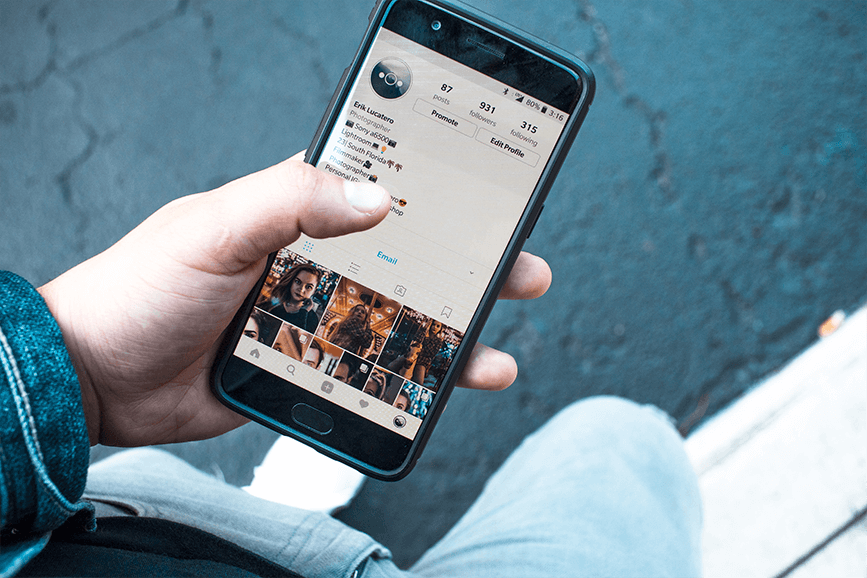
The growing number of business accounts of various experts on social media is driving the need to showcase their individuality and stand out from the competition. A blogger's personal brand can help with this—it's a fundamental tool designed to increase their media visibility or promote their projects.
The main goal of a personal brand is to create emotions and images that will be associated with the blogger and contribute to an increase in viewers, reach, or sales.
As part of the media landscape, bloggers interact with society on a daily basis, evoking various opinions about their personality. This opinion is directly influenced by a brand's positioning on social media and the person's manner of interacting with the outside world. Fashion and style play a significant role here. Although many consider these concepts similar, they are fundamentally different.
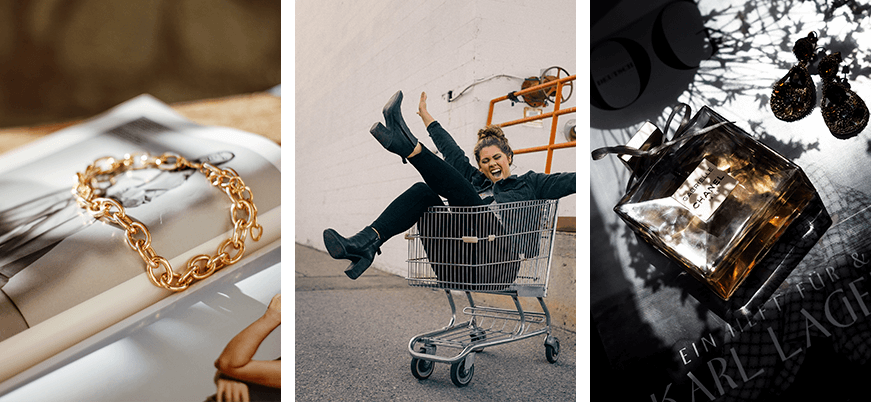
What is fashion? According to the famous Coco Chanel, fashion is for those who lack style. The famous designer's reason for this is that fashion trends are not always a manifestation of excellent style.
Fashion is a collection of tastes that reflects modern trends.
If you want to be stylish, never follow fashion.
This phrase belongs to a famous couturier and captures the essence of the difference between these concepts. While fashion dictates rules of behavior, styleoffers the opportunity to express individuality and realize one's true self. It represents a person's individual positioning in society.
The main key to a blogger's success is having your own style and the ability to properly present your individuality.
It's important for every blogger to understand the basic concepts of image and personal brand. Many don't know the difference between these concepts and even use them interchangeably in conversations. On social media, these terms overlap, as image is one component of a brand.

A personal brand is how people perceive you and their emotional connection to your personality. To influence opinion, it's necessary to employ a range of techniques aimed at highlighting a blogger's strengths. Personal image helps create a certain image in people's minds, as it's how you position yourself. It includes a number of factors:
appearance;
archetypes;
preferences;
worldview and other individual traits.
When creating your image, it's important to consider all these points. Then you'll create a personal blogger brand that will evoke emotion, interest, and trust in you as an expert in your field.
Regardless of the blog type, focus, or core idea, a personal brand and its promotion expands horizons and provides a number of advantages for bloggers. Why you need a personal brand:
 the opportunity to stand out from competitors, the number of which is rapidly increasing on the Internet;
 increasing recognition of one's own name;
 forming a circle of like-minded people for comfortable communication and work;
 increasing the customer base and growing trust and loyalty;
 obtaining the opportunity to develop activities, present your expertise, and even sell various goods/services.
Brand promotion always brings new opportunities and contacts, providing a basis for achieving many goals.
Developing a personal brand is a profitable investment that quickly helps you achieve your goals. Its primary purpose is to gain greater exposure on social media. Using branding allows you to increase recognition in your field, gain valuable contacts, and establish useful connections. Often, the primary goal is self-fulfillment and the opportunity to publish expert posts.
In most cases, personal brand goals depend on the blogger's needs. For example, if someone is planning to launch a masterclass or consulting service, they are aiming to increase their potential client base. If a blogger works in the service industry, their goals may not only be to expand their client base but also to establish new connections, increase loyalty, build name recognition, or demonstrate industry expertise.
Before forming a brand, it is important to correctly define goals, which will be the first step towards achieving them.
Personal branding has numerous benefits, opening up new opportunities and horizons. But, as the saying goes, there's a catch. The downsides of having a strong personal brand include several factors:
 constant increased attention to your person, which does not allow you to relax, regardless of your physical and psychological state;
When a blog's rating declines, some bloggers fall into terrible depression, which negatively affects their health;
The need to regularly share your life with your followers is too difficult a task for many;
Self-promotion can lead to fatal mistakes or be time-consuming, and financial resources don't always allow for expert assistance.
A strong personal brand requires constant responsibility, the need to refine your image and develop yourself as a person. But despite some challenges, it's an effective method for achieving the goals described above.
Impressions are the emotions evoked by a personal brand, and they are the foundation of success in the media space. People's thoughts about you can be based on your positioning, worldview, cultural and religious values, appearance, and preferences. Every component of your image shapes people's impressions, and only you can influence the emotions evoked.
Influencing people's impressions is a challenging task, especially if you're starting from scratch and don't know how to present yourself effectively. We offer helpful tips to help you find the key to changing people's impressions.
Sincerity . It's the first thing a user notices and can endear you to them. Don't be afraid to be genuine with your audience, be as honest as possible, and don't put on a mask.
Lack of fear of criticism . Don't be afraid of negative feedback for your actions. Give your audience the opportunity to express their opinions.
Connections and useful contacts . Having acquaintances and friends willing to give you feedback can influence your audience's loyalty and trust. Try to make new connections and do everything possible to build a good reputation.
Share personal stories . Don't try to hide or disguise your life behind a pretty picture. It's much better if you honestly share your experiences, mistakes, challenges, and achievements.
People base their impressions on emotions, so your task is to convey maximum emotion and let people recognize themselves in your stories. When promoting from scratch, this approach will be the key to successful branding.
The components of a personal brandare all the elements that shape society's opinion of you. These include:
 Positioning . This attribute determines how people see you. Your appearance, preferences, and worldview all directly influence how others view you.
 Popularity . How popular you are in certain circles and how many people are interested in your position determine your fame and authority.
 Reputation . This is what people think of you and how they react to your personality.
Each attribute is an integral part of a blogger and helps in making sound strategic decisions.
Personal brand attributes are essential for identifying you as an individual and defining your uniqueness. A personal brand must clearly understand their own popularity and the levers for influencing it. A key element—social media positioning—is the first thing you should thoroughly develop. To build a sound promotion strategy, each attribute becomes an integral part that must be taken into account when working on your blog.
A personal brand code is a set of specific traits or actions that distinguish you from your competitors and demonstrate your individuality. It's the foundation for creating a strategy and a way to quickly grow your blog on social media. A personal brand code can help you attract and engage your audience, shaping their opinion of you. A brand code includes a number of components:
positioning (your presentation of yourself as a person);
image (features of style, behavior and appearance);
purpose (why the brand is created in general, what is its main mission);
the benefit you can give to people;
worldview (your actions to improve the world);
values (deep individuality of the individual, comparable with the values of the audience).
Each element of the brand code is aimed at strengthening the personal brand, creating individuality and defining a further development plan.

A personal brand is the final image of a person formed in the minds of their audience. It allows for conclusions to be drawn about a person's expertise in a particular field, their professionalism, and their overall personality. Archetypes—a person's predisposition to a certain behavior—play a significant role in shaping public opinion.
An archetype is a universal image that influences public opinion about a brand. It predisposes a person to think in a certain direction and view you from the right perspective. The archetype influences people's expectations and consumer behavior.
To illustrate this archetype, consider the well-known story of Cinderella. Princess Diana is considered the modern prototype of the cartoon character, and after drawing parallels between the young woman and the fictional cartoon hero, people began to note the physical similarities between them.
By forming associations, it is possible to change people's thinking and perceptions, directing them in the right direction.
Archetypes are divided into a wide variety of systems, but the most basic is considered to be one based on core life values. It is divided into several types:
 Change . This is also known as the strategy of innovators who are willing to take risks in order to gain recognition and popularity. This is the behavioral model of Steve Jobs and Richard Branson—people who are not afraid to put their best foot forward for the benefit of society.
 Belonging . This strategy focuses on social engagement and teamwork. Henry Ford is an example of its embodiment.
 Individualism . This is the model of thinkers and intellectuals—those who are unwilling to stop on the path to self-knowledge and the acquisition of eternal knowledge.
 Stability . This strategy is suitable for people who feel a need for security, know how to overcome difficulties, and emerge victorious from any life situation.
Each archetype is further divided into three categories, but in reality, the strategy map is much broader. A person can combine several behavioral patterns, and to formulateoptimal decisions, it is necessary to analyze all these areas in detail.
The development of any personal brand should be based on a person's lifestyle and individuality. It's important to define the individual's value to society and their purpose. Creating a personal brand should be a step-by-step process, encompassing three main components.
 Strategy, positioning
During the strategy and positioning phase,you should thoroughly develop key areas and identify a number of factors for building a strong brand. At the initial stage, you should set goals and find methods for achieving them. After that, you can begin analyzing the personality and creatingoptimal conditions for effective feedback.
To develop a strategy, you need to define the primary and secondary archetypes, core values, and primary mission, as well as the blog's ideological core. This is essential for creatinga compelling idea that will attract an audience.
A brand must be unique and well-developed, aimed at communicating with people, solving their problems and increasing their interest.
 Package
Brand packaging involves both external and internal developmentto shape people's perceptions of you. External packaging includes your image, appearance, slogan, name, and other visual components. At this stage, it's important to create an appealing visual that reflects your core personality.
It's also important to provide your audience with up-to-date information and verify it across all social media accounts. The primary focus here is on the creativity of the idea and the development of a personal brand identity. This attracts customers, as the visual element is the initial basis for user engagement.
Internal packaging requires greater depth in understanding the brand's concept, positioning, and mission. This includes:
evoked associations;
emotions and personality presentation;
brand promises and mission;
blogger's story.
When creatinginterior packaging, it's important to delve beneath the surface and craft the promise, story, and core purpose. It should attract users and offer insight into a person's inner world.
 Promotion and communication
The promotion and communication stage involves disseminating established brand information, attracting new users, and maximizing audience engagement.
First, you should audit all your communication tools to maximize your reach. This could include not only social media pages, but also conducting useful workshops, webinars, creating videos, and creating informative articles. You can communicate with people via instant messaging and video, host live broadcasts, or hold conferences.

When building communications, it's important to employ strategic approaches to achieve maximum effectiveness. These methods may vary depending on the industry and the individual's idea. After identifying the primary promotion channels, create a content plan outlining all planned activities. This will help determine the effectiveness of each method and identify and correct key errors.
There are a number of mistakes that can undo all your previous efforts. One misstep can negatively impact months of effort. If you don't want to ruin all the work you've put into building your personal brand, try to avoid the following mistakes:
 Constantly highlighting your achievements . This behavior can create a sense of inferiority and distrust in your audience. Try to share not only the positives, but also your mistakes and personal experiences.
 Publishing someone else's content . A low percentage of unique posts reduces audience trust and leads to conflicts. Develop your own strategy and present it effectively.
 Unconfirmed construction of expertise . Support your image with facts and constantly prove your expertise – this attracts the audience and inspires trust.
 Lack of attention to visuals . Blog design is the first thing users see on the page. Create a good visual design and you'll see increased reach.
 Incorrect subscriber count . The number of subscribers is not the metric to focus on. Far more important is the number of engaged people you and your blog attract.
 Using a single promotion method . To achieve your goals, you need to use as many methods as possible. Create pages on various social networks and use multiple promotion methods.
Following simple rules will help you build your personal brand and find an engaged, active audience.
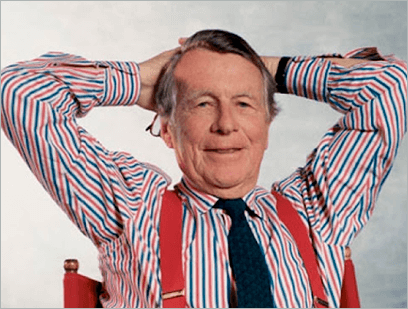
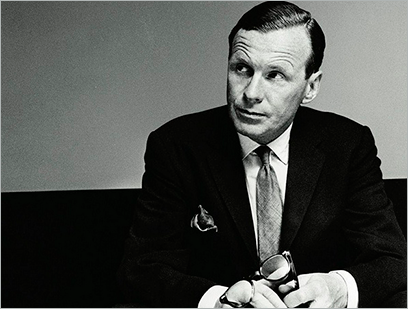
One of the most striking examples of a successful blogger's brand is David Ogilvy, the man known as the father of copywriting and advertising copy. Born into a poor family, blogging helped him become the founder of a major advertising agency and the author of several books.
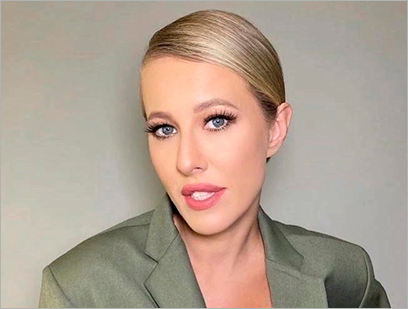
One of the most popular contemporary bloggers is Ksenia Sobchak. She is also known for hosting Dom-2. Today, Ksenia is a controversial blogger with millions of followers, a huge income, and a masterful public presence.

Another striking and unusual example of a successful personal brand is Bill Gates. He is a public figure whose name is always on everyone's lips and is considered one of the most popular worldwide. Bill Gates is known for more than just his blog, but this area of his work is opening up new horizons.


It's important to note that branding isn't just about maintaining a personal page; it also involves promoting services and products. Examples ofsuccessful social media account promotion include popular companies like KFC, Coca-Cola, Megafon, and others.
Creating a personal brand on your ownis a complex and multifaceted task that requires extensive knowledge of the subject matter. That's why, in most cases, it's best to rely on professional organizations, especially if you're starting a blog from scratch. If you decide to tackle branding yourself, we recommend reading the following helpful resources:
Idris Muti " Branding in 60 Minutes ".
The author has worked with leading companies, so he presents the most original and effective solutions in this book. These can be immediately put into practice and tested on your personalblog.
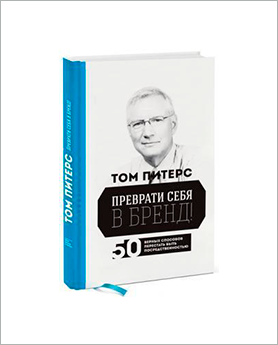
Tom Peters " Turn Yourself into a Brand ".
The founder of a major international consulting firm shares tips on audience engagement. This book will help you develop an effective strategy that will attract users' attention.
Ekaterina Kononova " Personal Brand from Scratch ".
The author explains the rules of promotion and personal branding. After reading, you'll understand how to create a content plan and unique selling proposition (USP), and which aspects are most important when promoting a blog.


To delve deeper into the topic and understand the basic principles of branding, we recommend checking out blogs on relevant topics. This will help you gain an insight into the field, learn how to find effective solutions, and spot common mistakes.
Building a personal brand is a challenging task. By entrusting it to the professionals at WeLoveBrands, you're guaranteed to achieve your goals. Our specialists fully immerse themselves in your industry and identify key factors that define your personality. By engaging WeLoveBrands, you'll receive a number of benefits:
we provide detailed consultation;
we define and highlight the blogger’s strengths;
we analyze competitors and target audience;
We provide effective recommendations that will help increase the blog's popularity;
we use modern promotion methods;
We carry out all stages of work - from analysis to content creation and brand promotion.
By contacting us, you'll receive a well-designed blog tailored to your audience. We'll help you embark on a path to effective growth and realize your individuality. To order personal blog branding, call us or submit a request on our website.