Receive a presentation of services and expert advice
The best experts in the industry will oversee your brand development process.
→ Need branding, design, or creative solutions? Call us at +48 505 648 022 or message us on WhatsApp.
 WeLoveBrands.pptx

The best experts in the industry will oversee your brand development process.
Material design is becoming increasingly popular every year. It's based on tactile interaction and combines core design principles with technology. However, the field doesn't stand still; it's constantly evolving, incorporating new features and enabling a variety of solutions.
Material Design has refreshed and invigorated traditional graphic and web design. It's causing designers to rethink how they create websites and apps, discovering new ideas for creating user-friendly interfaces and eye-catching page layouts.
Material Design is a graphical language that was created by Google employees in 2014 to help develop user-friendly and engaging interfaces and to unify Google and Android apps and platforms.
Building on the foundations of Metro and Flat, they added some interesting features. This resulted in a concept that quickly gained popularity and began to be used worldwide.
This is a new type of interaction that is constantly being updated to meet the latest trends.
The main goals of material design are:
 to develop a graphic language that combines the main principles of design, science and innovation;
create a unified system that will allow for the development of universal and practical designs for various applications and websites.
Material design combines elements of flat design (minimalism, geometric shapes, modularity, and vibrant colors) with skeuomorphism (three-dimensionality and shadows). It utilizes simplicity and animation, making it user-friendly and intuitive.
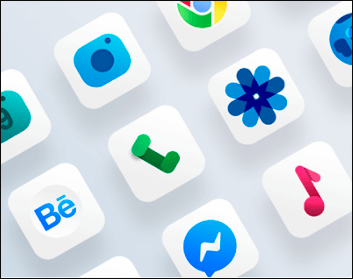
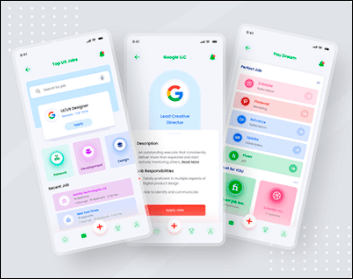
This design looks beautiful and modern, even though the concept offers formulaic solutions. However, designers can push the boundaries, rejecting ready-made options and creating original interfaces.
The concept involves placing all elements in space in such a way as to make the design realistic, but at a certain level of abstraction.
The placement of objects is based on specific principles, and all their movements are interconnected. Reality is used for inspiration.
The main principles of material design:
Material design is characterized by its simplicity, adaptability, and functionality. It is simple, user-friendly, and intuitive.
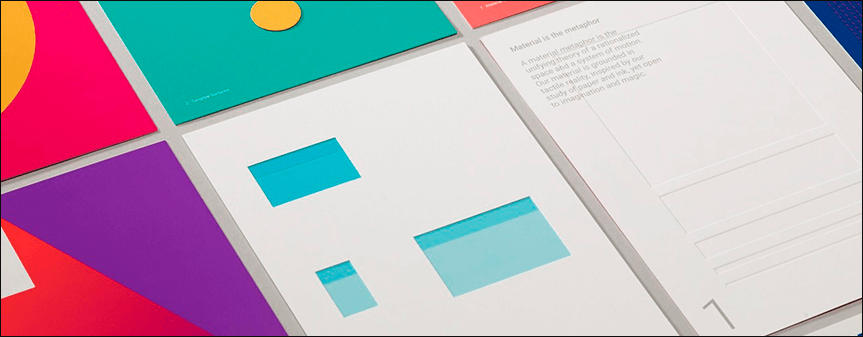
Material design features:
Material design involves creating an interface based on multiple layers of "digital paper," arranged at different levels and casting shadows on each other. The result is a three-dimensional space that makes the service easier to use.
All design elements are designed to make the website understandable, accessible, and user-friendly. Interaction occurs through color, shapes, images, and typography.
Material Design Components:
 Color
Color scheme plays an important role in design development. This style utilizes a primary color (for headings and other objects) and a contrasting color (for creating accents and highlighting action buttons).
Using a particular shade can accentuate shadows and highlights, allowing for bold design solutions. For this reason, bright, vibrant, and unexpected colors are encouraged.
But when choosing tones, you should keep in mind that they should be combined with each other so as not to create pressure.
 Typography
Standard, simple, and legible fonts are traditional in Material Design. Sans-serif font styles are most often used. Text is kept large and high contrast is maintained between the fonts and the background.
Expressive headings are combined with small paragraphs, and even indents are placed between blocks.
 Images and objects
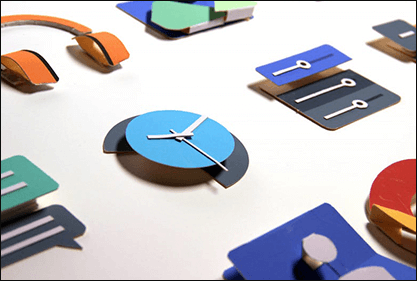
Material design involves creating a three-dimensional space in which all objects have specific dimensions and positions. Only bright, high-quality images and photographs are used.
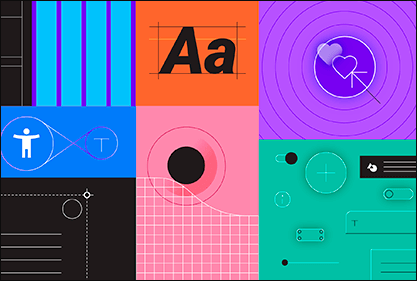
 Space
To attract consumers' attention and improve information comprehension, you can add a little "air" to the design, that is, don't be afraid to leave empty spaces.
 Animation
This is an essential element of Material Design, establishing a connection between the interface and the action. Through the use of dynamic effects, the user understands what has happened and what to do next.
Animated objects are not added randomly, but deliberately, so that their meaning is clear, and also with the goal of creating an effective design.
A rich color palette, contrasts, unique shade combinations, clearly defined object boundaries, legible fonts, and a light background will help create an attractive and impressive design.
To create unique designs, you should abandon templates and play with different elements. By adhering to the core concept of Material Design but breaking some rules, you can achieve surprising results.
5 tips for creating unique material design:
 Ditch the standard, bright colors and instead opt for an unexpected color scheme using rich and pastel tones;
 Don't take all the principles of Material Design literally; it's better to find convenient elements and combine them with a non-standard interface;
 Use the hints to create interesting icons instead of just using standard ones from the set;
 Choose unusual fonts, but remember that they should be easily readable on different types of devices;
 Mix styles to create an interesting picture.
Material Design is a great solution for creating a modern and stylish website. This style is suitable for any type of business, but it's not always appropriate, so it should only be used when it makes sense and when it improves user experience.
You can order material design from the WeLoveBrands studio. If you want a high-quality, unique design that highlights your company's status and is user-friendly, call us or send us a message via online chat.
Although this style was developed for websites and mobile applications, it can also be used in other areas – in printing , corporate identity, advertising, and when creating logos.
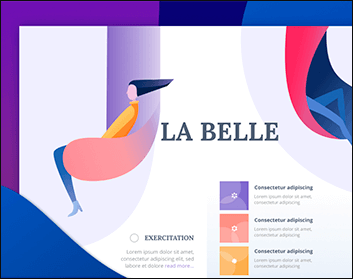
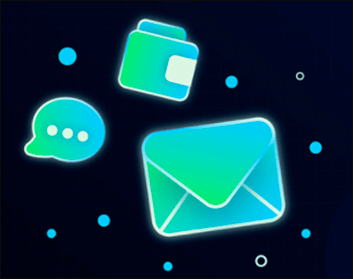
This style is actively used in logo creation and corporate identity development. It can help differentiate a brand in the marketplace, attract attention to a product, and create an image of a stylish and modern company in the minds of consumers.
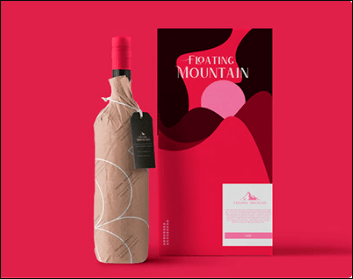
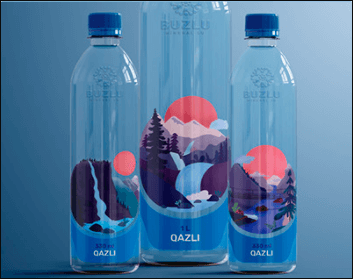
Material design elements help create attractive and intriguing product packaging .
Realistic images and three-dimensionality are actively used to emphasize naturalness, stimulate appetite, and generate interest in the product.
For several years now, Ukraine has seen an increased interest in animation and 3D images in graphic and web design.
More and more companies are creating websites and apps using Material Design principles. There's also a trend toward product packaging and logos in this style.

Ukrainian designers are actively exploring the specifics of this trend and are beginning to develop unique interfaces, moving away from formulaic solutions. The style's popularity has contributed to its inclusion in 2020 design trends.
Material Design emerged from the efforts of Google developers and designers and was introduced in 2014. This style quickly won the hearts and minds of professionals in the US, Europe, and Asia, and is now actively used not only in Google services but also in the development of other websites and mobile apps.
Material design is also in demand in the creation of corporate identities and logos, in print design and advertising.
In 2015-2016, the principles and elements of material design began to be actively used worldwide. Particularly popular were volumetric space, animation, and interactivity.
The designers emphasized the company's individuality, and therefore introduced unique graphics and illustrations.
Material design is particularly common in the US, UK, Switzerland, Japan, and China. Interest in it is growing every year, and in recent years, it has been considered a trend in America and Europe.
It's convenient to order design development from either a freelancer or a design studio. In the former case, you'll need to invest time in finding an experienced and responsible specialist who will deliver on time and deliver high-quality work. In the latter case, you'll choose your own pricing plan and have a clear understanding of how many options you'll receive, the price, and the timeframe.
WeLoveBrands studio designers first study the specifics of a particular business, its competitors, and its target audience, develop an idea, develop a strategy, and then begin development. The result is an original, adaptive, and engaging material design.
The development price depends on the scope, complexity, and specifics of the project, as well as how quickly you want to see the finished result. For more details and a full quote, please contact us by phone or via the website chat.