Receive a presentation of services and expert advice
The best people in the industry oversee your brand development process
→ Need branding, design, or creative solutions? Call us at +48 505 648 022 or message us on WhatsApp.
 WeLoveBrands.pptx

The best people in the industry oversee your brand development process
The term "personal brand" was coined back in 1997 by Tom Peters, a business management guru. He wrote that regardless of the industry we work in, each of us is the manager of our own brand. And it should be promoted just like a new product or service.
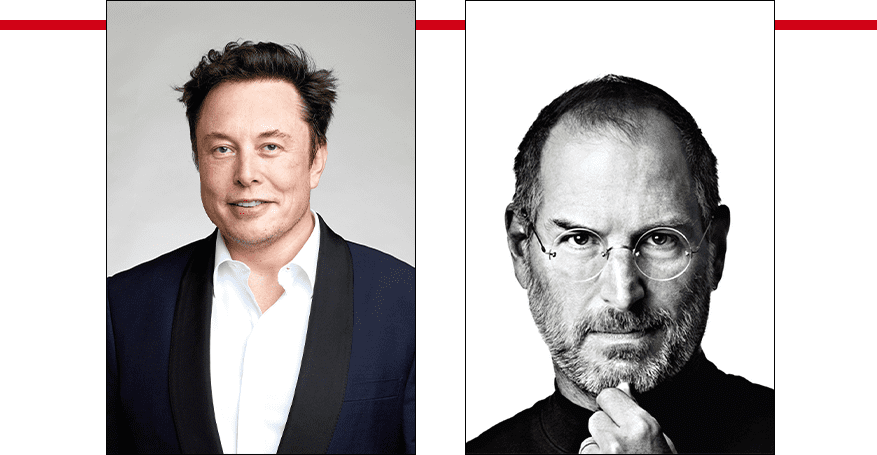
And it's true. It's hard to imagine Apple and the iPhone without someone like Steve Jobs, the space company SpaceX without its CEO Elon Musk, or the social network Facebook without Mark Zuckerberg. These are opinion leaders, strong personal brands who convey their values through their words and actions.
The ability to influence the mood of others allows the owner of a personal brand to promote their own business, themselves as a specialist, their ideas and products.
If you want to find a new job or start your own business, build your career, make valuable connections, realize your potential and develop, and successfully sell products or services, you need to create a personal brand. By promoting your own image, you can attract more customers. After all, as we know, people come to people, not faceless companies.
A personal brand is a person's comprehensive image in society. It consists not only of appearance and personal style, but also conveys certain values and evokes emotions and associations in the audience. It is what others think of a person and what sets them apart from the crowd.
A personal brand can help you create the right image, promote any idea, and monetize your talent. It helps you build your reputation and achieve success.
attracting an audience and building trusting relationships with them;
strengthening your influence, the opportunity to become an opinion leader;
increasing brand awareness and trust;
positioning yourself as a specialist in your field;
promotion of goods or services and increasing sales;
strengthening reputation.
A strong personal brand attracts consumers who are willing to pay more for their name, quality, and expertise. It also allows you to make valuable connections, find investors, and increase your competitiveness.

A well-known name and a good reputation are always beneficial. This is especially true for those working in highly competitive industries, providing services, or working in beauty, show business, and entertainment. A personal brand is essential for both experts and ordinary people with specific experience who want to share it.
 entrepreneurs and managers – you will become the face of the business and will be able to influence its success;
 People in creative professions (artists, photographers, journalists, writers, musicians, architects, designers, animators, etc.) – you can play on your name, gain trust and launch a word-of-mouth effect to attract more clients;
 experts in their niche (cosmetologists, hairdressers, makeup artists, lawyers, coaches, psychologists, teachers, tutors) – allows you to acquire new clients by building an image of an expert to whom you can trust and open up;
 marketers – you will be able to start working with large and well-known companies;
 freelancers (any type of activity) – allows you to find clients faster and easier, expand your client base, and work on interesting projects;
 for media personalities – the number of contracts and invitations depends on how you build your image;
 For people looking for work , it increases their chances of joining a large company or an interesting project, or getting a good position.
However, if you don't strive for publicity, don't even know why you need fame, don't want to promote yourself, can't control your emotions, and aren't willing to invest time and money in your own promotion, a personal brand isn't for you.
There are situations when publicity is completely undesirable, but reputation and public image are self-constructing. If you're an official, a member of parliament, or a government official, you need to control public opinion. A personal brand will help you achieve this.

Before you begin building your personal brand, you need to conduct analytical work and develop a strategy, set goals, and study your competitors, your audience, and yourself.
What problems will your brand solve?
How many clients will he bring?
How much will you increase your salary by becoming a public figure?
How much time are you willing to devote to creating a personal brand?
Answering these questions will help you set clear goals and deadlines.
Then move on to strategy. You need to understand your own strengths, identify your advantages, and distinguishing features. To do this, answer the following questions:
What requests do your clients most often make to you?
What consumer problems do you solve better than others?
Then decide which topics you'd like to share publicly and which you don't. This will help you understand what you can share with others and establish your own boundaries. That is, if possible, separate your public life from your private life.
It's also important to understand who your viewers, listeners, and readers are and what categories they fall into. A comprehensive analysis, for example, of your social media followers, can help with this.

It is worth dividing the list of friends and acquaintances into :
 colleagues;
 experts;
 school friends;
 young professionals;
 potential clients;
 business owners, etc.
This way you will understand how to communicate with them so that your words and actions become meaningful to them.
You should also define your unique selling proposition, what will differentiate you from your competitors, and outline the specifics of your business. This will determine your content, your audience message, and your communication style.
You need to know your competitors personally. Therefore, it makes sense to invest a little more time and money into analyzing them. Check their social media profiles and public appearances. Find out their strengths and weaknesses, what they like, and how they react to various events. You can borrow some techniques, but adapt them to your needs. Plagiarism and imitation are strictly prohibited. This will negatively impact your reputation, because the important thing is to become a leader, to be first, not a follower.
When conducting a preliminary analysis of your personal strengths, niche, target audience, and competitors, be open-minded. This will make you a better PR professional for yourself and your business.

Behind every personal brand is a real person. Therefore, its core components are a set of skills, values, and opinions that are communicated to the target audience using various digital tools and traditional PR methods. To create the desired image in people's minds, three key factors must be considered.

To establish yourself as an expert, provide evidence. Simply talking about your work and bragging about your place of work is not enough. Much more effective are real case studies demonstrating your experience and achievements, as well as client testimonials, project participation, articles, and appearances in popular media—social proof.

The "second pillar" confirms the uniqueness of the brand person. They must be able to set trends and influence others. Recognition can manifest itself in various ways. On the one hand, it looks like an increased number of followers, on the other, an increase in invitations to significant events, and even collaboration with famous individuals and companies. Recognition is when a person is known in certain circles and their opinion is valued as an expert.

Without a good reputation, it is impossible to strengthen a positive opinion about a person, gain recognition, confirm professionalism, and achieve growth in popularity.
At the same time, it's important to remain yourself. You need to talk about what you understand and what resonates with you. If you're open, you'll find an audience, but if people sense your insincerity, don't expect support.

Creating a personal brand is a unique journey for every individual. However, there is a step-by-step guide that will help you create a memorable and meaningful image.
What does it take to become a brand? Knowledge, skills, personal qualities, style, distinctive features, and ideas. All of this helps create the desired image in the audience's mind and evoke certain associations. For example, Mark Zuckerberg is a young genius, while Richard Branson of Virgin is bold and innovative.

First, you need to conduct market research, study your competitors, trends, and the most commonly used techniques. You can also identify your supporters. To do this, make a list of people who will help you take your plan to the next level and understand their motivations. Then, find bloggers/influencers you find interesting and figure out how to connect with them.

You need to understand who you are, who you want to become, and what image you want to project in the minds of your target audience. You can draw inspiration from the experiences of people you admire. Learn the steps they took to achieve their goals and use them to shape your own vision. When creating your image, identify your strengths and unique features, and express your individuality by adding various features to enhance recognition (an accessory, a unique feature, a voice, special words or phrases, etc.).
You need to consider not only your appearance, clothing style, and tone of voice, but also design elements for your social media pages, website, product packaging, advertising materials, business cards, and more. To do this, you should develop a logo, color scheme, and fonts that match your personality and reflect your individuality. Also, if you don't want to use your own name, come up with a concise nickname.
To strengthen your reputation, consider which communication channels to use. It's best to choose those where your target audience spends the most time. Don't try everything at once—reasonably assess your strengths, time, and resources. Also, consider how you can effectively convey your message, based on your specific business (this may involve attending various relevant events, organizing master classes, holding webinars, flash mobs, or online marathons).

It's important to decide on the format of the content you'll publish on social media, a blog, or a website. Choose the topics you want to cover and prepare the text and visual materials (photos, videos, animations, infographics).

An online presence is essential: a personal website, blog, active social media pages, a community, and a YouTube channel. This will help you attract an audience, establish yourself as an expert, and build trust. The choice of what to use is entirely up to you.

To attract people you need to:
 attend local events to make the necessary contacts;
 actively communicate on social networks;
 participate in discussions in groups and forums;
 write guest posts;
 give interviews;
 create publications jointly with other authors;
 engage the audience in communication (interactive content, surveys, marathons, competitions, master classes, etc.).
To cement your status as an expert, you need to stay up-to-date with developments in your niche, follow trends, read widely on your topic, and hone your skills. You can also publish in the media if your field allows.

It's important not only to manage social media and regularly update your website and content, but also to monitor all brand mentions online, promptly respond to user inquiries, and track statistics. This way, you can adapt or change your strategy and understand which channels are performing best.
A personal brand is a lifelong project as you develop and improve yourself.
Therefore, there are no hard and fast rules for creation. The important thing is to develop your own strategy and move forward.

There's no clear formula for determining how long it will take to create a personal brand. Timelines depend on many factors, as each project is unique.
You need to start with a goal in mind. Becoming visible in certain circles will require a little effort (PR and media coverage) and a few days. Sometimes, a single interview or television appearance is enough.
However, quick projects are short-lived. When creating a personal brand, the process can't take three or four weeks. A brand for a major entrepreneur or company owner, for example, will require two to five years of work. A personal brand for an employee, say, at the same company, takes about six months to build. For niche experts with an audience of no more than 5,000 people, a personal brand can be created in six to two years of active work.
However, it's impossible to pinpoint a clear timeline. Branding experts claim that the first signs of a brand only appear after six months or a year of diligent work. But is that the end of it? Once your personal brand becomes established, the need arises not to build it, but to maintain and develop it. You need to keep working: communicate your values, maintain your image, control your actions and words, and seek new promotional channels. It's unlikely you can say "Enough!" if you want to continue owning your personal brand. After all, one careless move can ruin your work, and then you'll need to reposition it or start over from scratch.

To build a personal brand from scratch, you need to find your niche, describe your target audience, highlight your strengths and distinguishing features from your competitors, and demonstrate your individuality.
The first step in this process is to formulate a unique selling proposition (USP) to define your niche. A clear statement helps you differentiate yourself from competitors and find your target audience. Your USP is where you develop your core idea, or concept. To do this, you need to analyze your knowledge, skills, hobbies, and areas of expertise. It's important that your values align with those of your target audience. You should adhere to this core idea in all your posts and public appearances. This is the foundation of any influencer's or expert's personal brand.
Next, you need to work with your audience: conduct analysis, think of ways to increase your potential clients, and build your reputation. Start tracking your subscribers' reactions to your content. This will help you understand what they think of you as an expert and what interests them.
Then you should move on to growing your following. Targeted advertising can help with this. Social media, mutual PR, active participation in thematic communities, professional content, online and offline communication with opinion leaders, hype, public speaking.
Additionally, to expand your audience, start responding to comments under posts and private messages, ask your followers for their opinions through surveys, publish content that will increase engagement, involve loyal customers in promoting your personal brand, and respond appropriately to criticism and unfounded negativity.
Finally, demonstrate your uniqueness. This can be done through your behavior and appearance, demonstrating your personal qualities, beliefs, and values. This will help you stand out from the competition. But it's important to be genuine with your target audience, not to pretend or copy other celebrities, as this could alienate them.
There are differences in promoting a personal brand and a business.
A personal brand is defined by a specific personality. This person craves fame and influence. Successfully developing a personal brand positively impacts its owner's well-being. However, promotion is painstaking and complex work, fraught with many risks. Therefore, it should be handled by a professional team.
For a company, a brand is its face. It showcases scientific and technical achievements, which shape its image and public profile. Promotion occurs through the company's products, their features, practical properties, and areas of application. When purchasing a product or using a service, customers rely on the company's reputation. The goal of promotion is to find the target audience, create a positive image, and increase sales. It is important to demonstrate that the company's product is high-quality, cost-effective, and affordable. Sometimes, the product's attributes are transferred to the company itself. This is how the company's image is formed in the minds of potential buyers.
When promoting a company, its market position, prestige, quality, price, and availability of its products, its region, and advantages (warranty, service, and customer support) are all taken into account. Methods for promoting a personal brand include social media marketing (SMM), organizing advertising campaigns in the media and online, and participating in various thematic events.
Like promoting a personal brand, developing a company is a complex, multi-stage process. Therefore, special attention is paid to the correct selection of promotion channels and tools. It's crucial to gain consumer recognition, increase awareness, and build a positive reputation.
Experts create a personal brand to differentiate themselves from competitors, gain client trust, increase sales, and increase the value of their services. Experts can be independent professionals, business owners, or employees. Personal branding is relevant for lawyers, doctors, psychologists, designers, realtors, copywriters, stylists, and anyone in a highly competitive field.
It's important to keep your expert status alive. It's built on your professionalism and the opinions of others about you as an expert. This is why personal branding is essential.
A blogger's personal brand is essential for expressing their individuality, increasing their popularity, communicating their opinions and ideas to their audience, and promoting their own projects. A well-developed image and the positive emotions it evokes will increase their viewership, reach, and sales.
Promotion will allow you to increase your visibility, form a circle of like-minded people, and develop your activities.

Promoting a personal brand is always a complex process aimed at increasing awareness, finding a target audience, and promoting your idea. The most effective tools used in the promotion process revolve around content and consumer communication.
 Social media: posts, stories, reels, live broadcasts on the topic with useful and interesting information, confirmation of expertise, behind-the-scenes content, case studies;
 website;
 webinars and video tutorials;
 publications in the media;
 direct dialogue with users through comments, answers to frequently asked questions, and personal correspondence;
 offline meetings: business breakfasts, club meetings, lectures, performances;
 collaboration with other bloggers and communities;
 newsletters with deeper and more specific content for sales purposes;
 targeted advertising.
Depending on your line of work, you can also use provocation to promote your personal brand. This requires a newsworthy event—a scandal, a big statement about someone or something, a video where you provoke a certain reaction, or a viral video.
Any promotion process requires evaluating its effectiveness. This can help optimize costs and improve results. To do this, use various services that provide statistics on follower growth, engagement levels, reach, and ad impressions on third-party accounts.
Promoting your personal brand on social media creates the desired associations with your name and authority in your niche.
Therefore, for the campaign to be effective, it is necessary :

define tasks for working with your own profile: image, topics, audience, content format;

Conduct an audit: remove everything that doesn't meet the goal, and use a portrait as your avatar that will make you instantly recognizable;

Make a clear and compelling description – include who you are, what you do, and how to contact you;

draw up a content plan;

invite people you find interesting to be your friends;

Be active in comments on your own posts, on the pages of opinion leaders and professional communities.
However, promotion features and content formats may differ for different social networks.
Facebook and Instagram are the main social networks for promoting a personal brand. Facebook is popular with entrepreneurs and top managers specializing in marketing, journalism, IT, and other fields. Instagram, meanwhile, attracts those interested in visuals, such as designers, artists, stylists, cosmetologists, and others.
You can attract attention to your personal brand on these social networks through high-quality content with beautiful visuals and useful information. Post design and content are equally important. This will help them appear in the "recommended" section and increase their reach.
Posts shouldn't be long – no more than 2,200 characters for Instagram (more is allowed on Facebook). Hashtags are essential. Don't neglect various additional promotion tools: Stories, Reels, and IGTV.
Also use paid methods to promote your personal brand, such as targeted advertising, collaboration with bloggers, and mutual PR. Manage your marketing campaigns through your Facebook account.
Visual content helps promote your personal brand. Use social media platforms like YouTube and TikTok for this.
YouTube publishes both expert and entertaining videos. So, post useful information, dispel myths in your niche, and share your experiences with events you've attended. Newsworthy events can be a way to connect with many helpful people and get ahead of the curve.
TikTok isn't exactly a place for serious topics. But if you think it's only for kids, you're mistaken. Organic personal brand promotion works well on the social network. Furthermore, TikTok has a growing, solvent audience, and compared to YouTube, competition is lower. Therefore, if your brand's target audience includes the younger generation, this platform is ideal.
Telegram is popular for original channels, which are ideal for developing a personal brand. Here, you can share a variety of content, including topics related to your profession, tips and recommendations, news, humor, event announcements, links to YouTube videos, and full-length articles on your website or Facebook. However, duplicating content from Instagram and Facebook is not an option. Their audience prefers short, relevant information that doesn't require a lot of time to digest. Therefore, it's worth adapting posts from other social networks.

Not only social media, but also traditional PR channels are suitable for promoting a personal brand.
Classic methods include informing through :
 media, releases, conferences;
 magazines, catalogues, leaflets;
 speeches or interviews;
 professional photos;
 participation in events as a sponsor.
The goal of PR is to create the desired image of a personal brand by building and maintaining connections with the audience, creating a positive reputation, strengthening market influence, increasing consumer trust, familiarizing the brand, and informing the public.
To get published in reputable magazines and appear on radio and television, start small. Local print publications are a good first step.

The action plan includes :
 Compile a list of 10-15 print media outlets that your target audience reads. Information about reader profiles can often be found on these publications' websites.
 Analysis of articles on your topic, geolocation study.
 Connect with journalists. Use services like Pressfeed, Deadline.Media, and Nutcall. Here you'll find inquiries on various topics from media representatives. You can offer expert commentary, assessments, articles, and other materials based on your expertise.
 Research the print publications you've chosen. This will help you find out which authors write on your topic. Then, think about the issue you'd like to cover, write a brief introduction, and send an email with your pitch or call the editorial office of a specific magazine or newspaper. It's also a good idea to clarify what content the publication needs.
 Write a helpful article that establishes you as an expert. Pay particular attention to the title and first paragraph.
Publications in print media are one of the main tools for free PR. When you publish articles and provide comments, you build your image as an expert and attract potential clients and partners.
Once you've gained sufficient popularity on social media and in print publications, you'll receive offers to appear on the radio or in a podcast. You might even be invited to interview a local presenter or journalist on their YouTube channel.
As for television, during martial law, the "United News" marathon is running, inviting viewers into the studio for commentary and interviews with various experts connected to the war in one way or another. Therefore, promoting your business, even if it touches on a pressing issue, would be inappropriate.

A personal website, in addition to automating business processes, attracting new clients, and increasing sales, serves a number of other functions. One of them is promoting a personal brand. How does this work?
Firstly , your own website will best convey your personality. Therefore, ensure that visitors can form the desired opinion of you within minutes (or even seconds). After all, self-presentation is an essential part of your personal brand.
Secondly , a website is a universal tool that helps attract a solvent audience and followers, while also distinguishing you from your competitors.
A website will be effective only if it's well-designed and well-contented. It's important to develop user-friendly navigation and ensure its usability so users can navigate the pages comfortably and easily find the information they need.
 Structure . On the first page, you should introduce yourself, your field of work, experience, and achievements. You should also include sections such as a portfolio, reviews, blog, and contact information. In the blog, you'll post useful information, share knowledge, give recommendations, instructions, and post life hacks. Don't forget to include call-to-action buttons: "call," "schedule a consultation," "order," etc.
 Design . To be memorable to your target audience, differentiate yourself from other similar resources, and effectively convey your image, you need to develop a corporate identity and design your web pages accordingly. To do this, you need to choose a color palette, design a logo (this could be your name spelled in a unique way), and select a unique font that reflects your personality.
 Content . You need to add text about yourself, photos, expert articles, reviews, and contact information. The texts should be optimized and contain keywords so that search engines show your site to users.
Having a website will immediately add credibility and authority, which is crucial when building your personal brand and establishing yourself as an expert. It increases trust and audience loyalty.
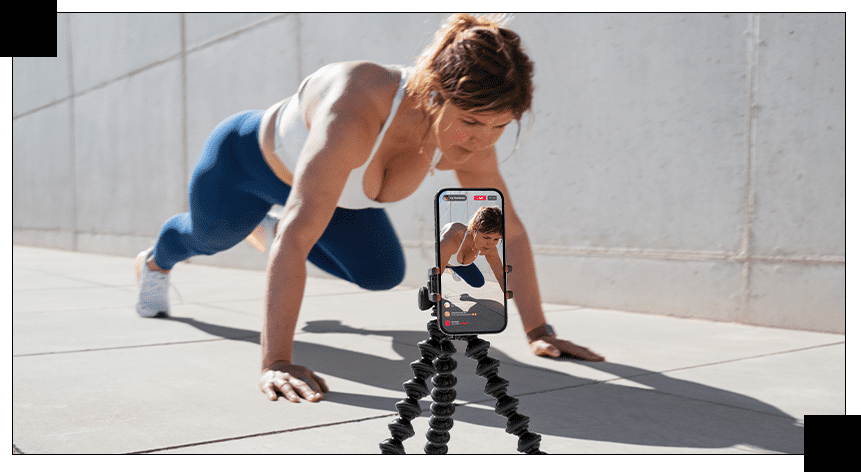
Promoting a personal brand involves not only an online presence but also an offline presence. Your strategic plan should include various meetings with followers, attendance at events, lectures, and conferences. Why is it so important for a personal brand to regularly reach out to people?
Firstly , this way you'll get to know your target audience better. They'll appreciate that you're willing to spend time with them. It's easy to invite your followers to breakfast at a cafe, chat with them in real time, and answer questions. It's important that your fans and potential clients see that you're a real person. This way, even those who couldn't attend the meeting will see that you hosted a small event and aren't afraid to engage with your audience. This is especially appealing compared to bloggers or experts who neglect this type of promotion.
Secondly , if it's a larger event with multiple speakers, it's a great opportunity to share audiences with experts who give lectures, conduct master classes, lead discussions, and answer questions from the audience alongside you. This will help you gain new fans.
How do you get into such a conference? You can start with online speaking engagements as a guest speaker, or organize small meetups in clubs, business cafes, or mastermind offices. The advantage is that this way you'll also develop as a speaker, which makes you a more engaging person.
Analyze events and make a list of those that attract interesting people. Save the organizers' contact information on your phone and follow them on social media to stay informed about upcoming events. Also, check resources and business posters that announce events. Think of an interesting and relevant topic for communication: life hacks, failures, trends. The main thing is to grab the audience's attention.
Then email the organizers with a brief introduction about yourself, a detailed outline of your presentation, and reasons why they should invite you as a speaker. Once you've established yourself as a good speaker, the organizers will invite you to give paid talks.

When using social media to promote your personal brand, it's essential to create a content plan to clearly understand where, when, and what content to post. Planning will also save you time and energy for other activities on your path to greater income.
To build a specific image and reputation, and not just increase sales, use the "25%" strategy for content division, rather than the "golden formula" of marketers. This means you'll need to prepare four main content formats in equal proportions. Specifically:




Alternate the above content types and monitor your audience's response. Remember that you need to post on social media almost every day to keep your followers engaged and your reach high. And if you're on Instagram, you should post several times a day.
Make a list of sections you'd like to run, but with the expectation that your target audience will also find them interesting. Write posts that people will want to like, comment on, and repost.

Will user hype and hate help promote a personal brand? To answer this question, let's first clarify the terminology.
Hype is the excitement surrounding an event or person with the goal of reminding or promoting them. This term often has a negative connotation, as it suggests aggressive advertising based on tragedies, unpleasant, or shameful situations. The goals are twofold: increasing popularity and/or profit. Sometimes, hype is simply understood as bold advertising in the context of a high-profile event.
Can you use hype to promote yourself? Yes. Is it worth it? Sometimes stepping out of the box, breaking stereotypes and expectations about your personal brand can be beneficial. But only if you don't overdo it.
For promotion, it's best to use "newsjacking." It's important to be the first to respond to a major news story with a strong emotion: aggression, indignation, criticism. Monitor popular and in-demand tags to understand which topics are the most discussed. Your target audience may react negatively to this kind of self-promotion, so it's important to do everything carefully and efficiently. Play with the news so that your business fits harmoniously into it.
Also, participate in challenges, monitor highly-anticipated film premieres and viral songs, and then create content with maximum engagement. The key is to foster active and passionate discussion.
Hype allows you to achieve massive reach without spending money. However, such advertising has a short-term effect. Therefore, every step must be carefully considered to avoid alienating your fans from your personal brand.
Hate, on the other hand, is open, often unfounded hatred. It's expressed by users through comments. It has nothing to do with constructive criticism, as it attacks a person's honor and dignity. Haters typically accompany creative professionals, just like fans, but they express their negativity out of envy or their own dissatisfaction with life.
If you're getting hated, it can be proof that you're successful and have a wide audience, admirers, and followers. Hate is an integral part of public life, but haters aren't your target audience. So don't waste your time and energy on them. Simply ignore them, and block those who are too intrusive.

To gain the information you need to create and promote your personal brand, get inspired, and find ideas and tips, read literature on the topic.
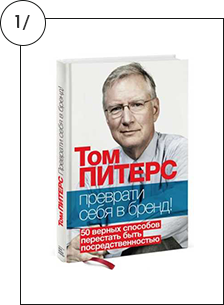
Tom Peters, "Turn Yourself into a Brand: 50 Surefire Ways to Stop Being Mediocre."
The book offers practical advice and a huge dose of motivation in an unusual style and narrative format. Tom Peters's clients included brands such as Microsoft, Intel, Coca-Cola, and Starbucks. He argued that the era of systemic corporations was coming to an end and the era of "I-brands" was dawning. Therefore, it was essential not only to become a top-notch specialist but to make your name synonymous with high-quality and responsible work. The book presents 50 ways to transform yourself into a brand, each with detailed tasks and advice.
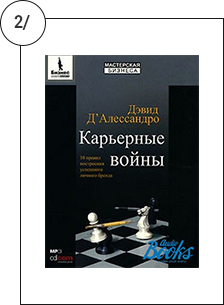
David D. Alessandro, "Career Wars: 10 Rules for Building a Successful Personal Brand."
The author writes that hard work and consistent performance are unjustified. Building a personal brand is the only way to prove yourself and achieve success. But your enemy is your ego. You need to respect not only yourself but also those around you. In addition to the 10 rules, the book includes advice on neutralizing opponents, admitting mistakes, competitiveness, bosses, your own uniqueness, and more. It will be useful not only for building a personal brand but also for career advancement.

Igor Mann "Number 1".
This book is about how to become number one in any field. Often, people don't know how to achieve success, so they don't take action. Drawing on personal experience, the author shows a step-by-step path to reaching the top using a mind map. The book offers not only advice but also practical exercises that will become the foundation of your personal branding journey.
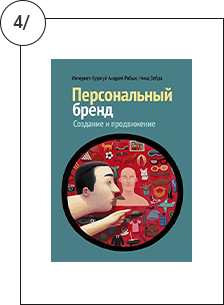
Andrey Ryabykh, Nika Zebra "Personal Brand: Creation and Promotion".
The book is a study of personal branding. It contains practical advice on creating and monetizing it. The authors explain in detail what a brand, a personal brand, and an image are, who needs them, and how to create a personal brand. They argue that building a personal brand can be done in three steps: product creation, packaging, and promotion. The book describes each of these in detail. It covers branding for employees, entrepreneurs, government officials, and experts.
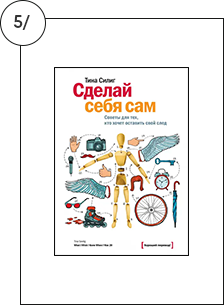
Tina Seelig, "Do It Yourself: Tips for Making Your Own Mark."
This book is about breaking free from conventional thinking and achieving popularity and respect. The author explains how to reassess your values, turn failure into new opportunities, and achieve personal development and lofty goals. While Tina Seelig doesn't directly teach how to transform yourself into a brand, she does offer advice on self-improvement. This is the foundation for building a personal brand. After all, the more interesting and vibrant your personality, the more attractive it is to your target audience. The book places a special emphasis on overcoming obstacles in entrepreneurship, finding inspiration and ideas, overcoming fears, and more. It features real-life stories from the author and her students.
When researching personal branding, take notes, bookmark, highlight key ideas in books, or write them out separately to improve your understanding of the material.

A strong personal brand must possess certain qualities. Only then will it be memorable, attract attention, and generate interest.
 Authenticity . You need to reflect all sides of your personality.
Integrity . A personal brand is based on moral values and aligned with goals.
Consistency . A brand person must keep their promises and be consistent in their actions.
Specialization . It's important to showcase your work, what makes you unique, and what drives your development and improvement.
Authority . A strong brand ensures your recognition from others.
Individuality . Being different from others is a competitive advantage.
Relevance . A personal brand is based on the values and preferences of its target audience.
Visibility . You should always be visible and constantly remind others of yourself.
Perseverance . The brand owner moves forward persistently and doesn't expect quick victories, but rather continues what he or she has started.
Good reputation . The person's name evokes only positive associations.
Performance . A well-established personal brand continues to validate its reputation through increased achievement.
Using these criteria, you can determine what brand you have and correct any missed areas.
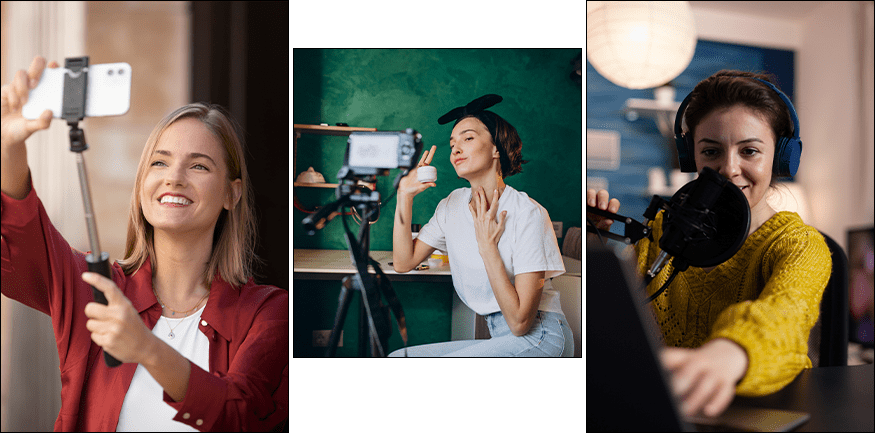
A strong personal brand can and should be a money-making opportunity. Here are some monetization options:
 Participation in events with an idea that is of interest to the majority.
 Running my own media projects: interviews, reality shows, podcasts, vlogs.
 Advertising contracts with major brands to attract attention to their products.
 Receiving a percentage from the affiliate program (promo codes from bloggers).
 Release of a line of our own additional products.
 Selling exclusive information about yourself.
 Development of an educational program: online courses, webinars, master classes.
 Barter in advertising of large companies.
 Individual online consultations.
 Obtaining a share in a business when launching a startup/new project.
A personal brand offers the opportunity to earn additional income. Some methods, in addition to income, increase your influence and audience growth. Therefore, the effort invested in creating and promoting your personal brand will always pay off.

Some people become famous through scandal and hype, while others advance through family values and philanthropy. Everyone has different paths and personal brands.
Let's look at the different types of personal brands using examples of famous personalities.

Elon Musk
You may not know who runs BMW, Audi, or Mercedes, but you've probably heard of the CEO of Tesla. That's because Elon Musk is a brand. His name evokes a personality who isn't afraid to take risks, breaks stereotypes, makes dreams come true, and creates a revolution in any field of interest, be it automobiles, space, energy, or anything else. Among his most famous inventions: the Tesla electric car, the PayPal payment system, the Dragon cargo and passenger spacecraft, the 3D transportation network LVCC Loop, affordable clean solar energy, Tesla's Cybertruck Mars rovers, the Hyperloop high-speed vacuum train, the N1 chip for treating, monitoring, and communicating with paralyzed patients by transmitting their thoughts electronically, and more.
Elon Musk's personal brand communicates that creativity, influence, and strength are qualities every leader should possess. This makes a person appealing to the public. Undoubtedly, the success and popularity of companies like Tesla, SpaceX, and SolarCity are influenced by the owner's strong personal brand. This eliminates the need for additional advertising for innovative products, saving money. Furthermore, Elon Musk is an authority and inspiration for many, as evidenced by the number of his Twitter followers.

Mark Manson
An online entrepreneur and bestselling author of books including "The Subtle Art of Not Giving a F*ck," he built his personal brand on being straightforward and sincere with others. He amassed over a million fans. He began building his audience through his blog, where he wrote posts on self-improvement. He later expanded his blog's popular and hotly debated topics into books, which were so popular that they made him one of the best-selling authors.
Mark Manson later began monetizing his brand. He launched a subscription service on his website and began posting video tutorials on his YouTube channel on topics he covered in his blog and books.
If you're looking for an example of a successful writer who both helps people and makes a good living, then look to Mark Manson for motivation and inspiration.
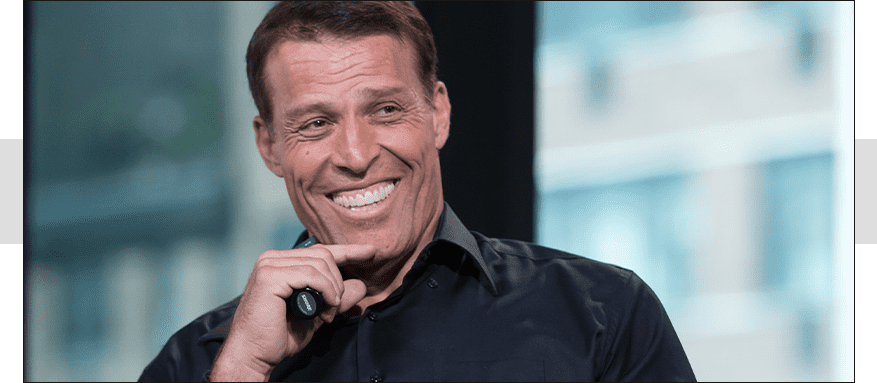
Tony Robbins
He's known for his numerous books, seminars, and other content. Therefore, he already has an army of fans and haters. However, Tony Robbins' case is an excellent example of personal brand transformation.
A charismatic, attractive, and energetic young man, he began public speaking in the 1990s. He taught people a financial self-help method he developed. This is how Tony Robbins's vibrant personal brand was born.
Over time, his image has evolved. The era of loud speeches and slogans has ended, and his personal brand has acquired a more refined and understated feel. Through his website, Tony Robbins positions himself as an experienced financial educator. He avoids flashy clothing colors, creating the impression that he's no longer putting on a show but has moved on to more serious matters, such as developing personal development technologies. Therefore, his website showcases a modern and relevant personal brand, eschewing the glitz and glamour of the past.
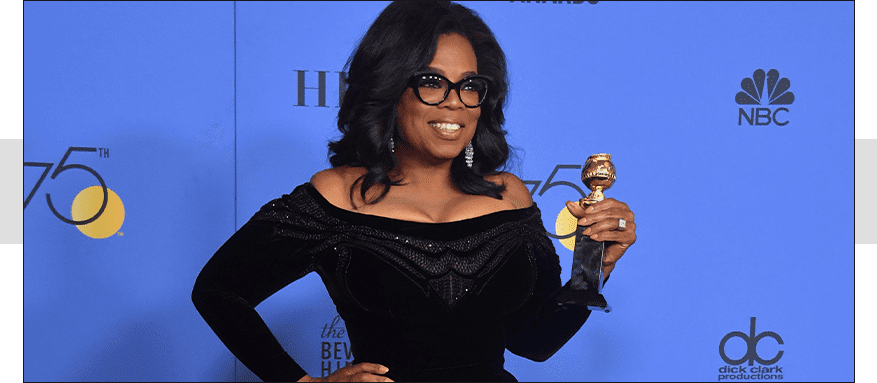
Oprah Winfrey
She is an American host, television producer, actress, and writer, best known for her talk show, The Oprah Winfrey Show. The highest-rated television program in history, it aired for 25 years.
Oprah was the richest African American woman of the 20th century, the first black female multi-billionaire in the United States, and the greatest philanthropist in American history.
Initially, she attracted her target audience with sincerity, honesty, and intelligence. This became the foundation of her personal brand. Its value lay in motivating others and improving their lives.
Oprah Winfrey's message is to be authentic, share your joys and sorrows so others can tell theirs. Empathy and the ability to connect with diverse people are her unique qualities.
Her show was her primary promotional channel. She later monetized her brand by creating an educational platform, book clubs, and self-improvement programs.
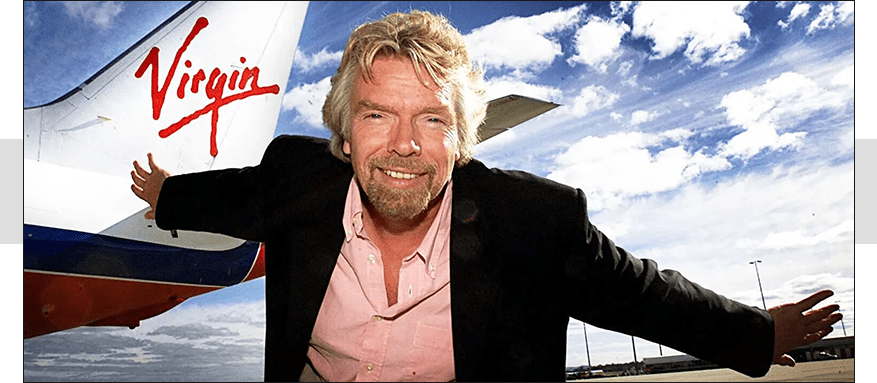
Richard Branson
Richard Branson came to the public eye at 16 with his first project, "Student" magazine. Now he's known for his Virgin Group conglomerate, which owns over 360 companies, and the Virgin brand.
Richard Branson describes himself as an adventurer, philanthropist, and troublemaker. He has gained recognition among his target audience thanks to his spontaneity and desire to find a compromise between people and nature.
He also made a name for himself through public speaking, sharing the secrets of leadership and business development from scratch. He still retains a youthful demeanor in his speech, interacting with audiences with a smile on his face.
His brand communicates the message that the most important thing is to keep the planet healthy, then yourself, and have fun along the way. He shares his vision by telling brand stories in a humorous manner. He believes that reputation is everything.
Branson's personal qualities, such as cheerfulness, honesty, and creativity, attract many people, so they follow him, work for his companies, and buy his products and services.
Strong personal brands in Ukraine include President Volodymyr Zelenskyy, Dr. Yevhen Komarovsky, Oleksiy Arestovych, Lesya Nikityuk, Maria Efrosinina, Serhiy Prytula, Yevhen Klopotenko, and others.
All personal brands have different spheres of activity, ways of promoting and monetizing their knowledge and skills. But what they have in common is that they contribute to society, and their popularity allows them to earn money. This makes them influential individuals capable of leading others.
If you want to earn a high income, gain popularity, improve yourself, make new connections, and advance your career, create a personal brand. This way, you won't have to resort to PR agencies or advertise. You'll be able to achieve your business goals using your own name. For a consultation and more information , call us , message us via messaging app, or fill out the contact form on our website.