Receive a presentation of services and expert advice
The best people in the industry oversee your brand development process
→ Need branding, design, or creative solutions? Call us at +48 505 648 022 or message us on WhatsApp.
 WeLoveBrands.pptx

The best people in the industry oversee your brand development process
Business cards and plastic cards are an integral part of any business, as they play a vital role in establishing a company's image. They're an accessible way to present your business, emphasize your status, and make a good impression on customers, partners, and investors. Discount and club cards can also be used to show respect and gratitude to your clients.
There are standard business cards and cards of unusual shapes, with bright or minimalist designs, informational and image-based.
Business cards are usually simple and concise, containing general information about the company/owner, while image cards feature an attractive, intriguing design, the purpose of which is to impress the audience.
When designing a business card, consider not only its style but also its size, as this is an important criterion, especially when collaborating with foreign companies. In this article, we'll discuss how to choose the right business card and plastic card sizes.
 When you share your business card with someone, you don't have to tell them much about yourself—it contains all the information about the company, its management, and its services.
 A business card is a way to remind others of your presence after a business meeting. When someone receives a business card, they will remember who you are and what you do.
 Business cards will help you save time, because you won't have to constantly write your contact information on pieces of paper or send them in messages.
 Branded cards help emphasize a company's status, stand out from the competition, and be remembered.
Business cards are used when participating in trainings, seminars, and exhibitions, allowing you to exchange information and expand your network of business contacts. They are essential for increasing sales, building loyalty, and maintaining contact with clients. Business cards can also be a lifesaver if you're in a hurry and don't have time to give out your phone number.
Business cards with a distinctive design will set you apart from your competitors. And if you have a logo, including it on them will help build trust and increase company recognition.
Business cards can be a powerful advertising tool. Their striking design will encourage potential clients to learn more about your product or service. They'll also help promote your company without breaking the bank. By printing business cards, you gain the opportunity to attract new clients and enhance your reputation.
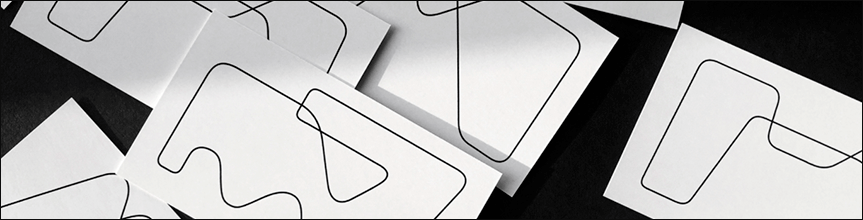
@ Paprika Design
For a business card to attract attention, be memorable, and not be thrown away at the first opportunity, it must have an interesting design and be the right size to fit in a cardholder or wallet. And if you're looking to expand into foreign markets, card size is even more important, as each country has its own business culture and standards.
Every brand strives to make their business cards unique. Some distinguish their cards with unusual colors, while others use different sizes. Let's look at the standards used in different countries below.
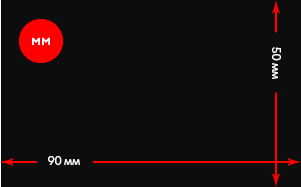
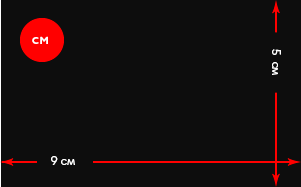
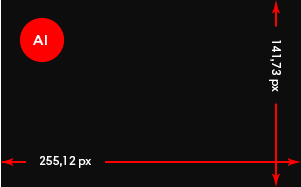
In Ukraine, Belarus, Russia, Kazakhstan, Moldova, and several other countries, the standard is 90x50 mm. If you plan to order business cards of this size, keep in mind that you need to create layouts with some allowance. Design them as 94x54 mm. This is necessary because when cutting the cards, two millimeters are trimmed off from all four sides. Dark outlines on the edges of the main field are not allowed.
It's crucial to place information on the business card so that all contact information and other text are no closer than 4 millimeters from the cutting line. For a 90x50 mm business card, all text should be placed within the 82 x 42 mm center of the card, otherwise, the information may be cut off.
Please note that fine details and lines thinner than 0.2 mm cannot be printed in a printing house. Raster images must be at least 300 dpi.
Business card sizes in different countries :
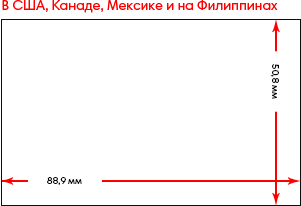
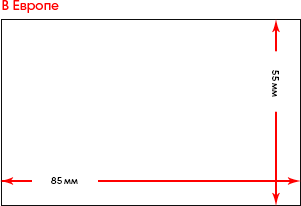
American and European business cards differ in size due to differences in the metric system. In the US, as well as in Canada, Mexico, and the Philippines, the standard size is 88.9 x 50.8 mm, while in Europe it's 85 x 55 mm. These are the sizes used for loyalty cards, bank cards, and other cards, as well as passports and driver's licenses. Manufacturers of business card holders and wallets in the EU also adapt to these standards.
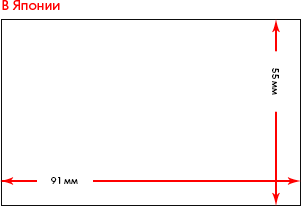
In Japan, the standard business card size is 91 x 55 mm.
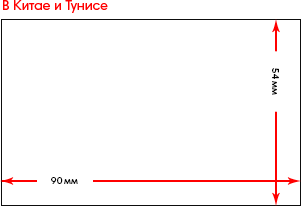
In China and Tunisia the standard is 90x54 mm.
It's crucial to design a business card of the right size, as many people keep important contact information in their wallets, and it needs to fit. If the card is a non-standard size, there's a high risk of accidentally tearing or losing it. As a result, your contact information can easily be forgotten.
When creating business cards, be sure to ensure that they are easy to store.
So, ideally, a business card should be 50x90 mm. If your business is aimed exclusively at women, you can use 40x80 mm, as women's handbags and wallets sometimes have smaller card slots.
When choosing business card sizes, it's important to consider not only generally accepted standards but also their intended purpose. There are four types of business cards:
business
representative
corporate
personal
Cards of this type are best made in standard sizes, as they help develop your business and are purely informational. They should feature clean, minimalist designs.
These business cards should include the owner's full name, position, and contact information. Their design typically matches the company's corporate style and incorporates key elements.
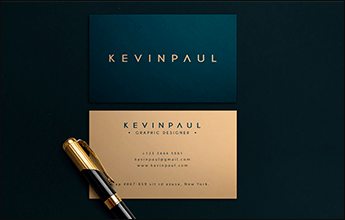
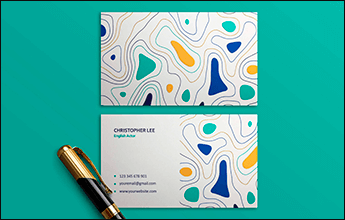
For people who take their work seriously, business cards are best. They should fit the generally accepted 50x90 mm dimensions. This option is also suitable for those in the fashion, photography, and fine arts industries. To stand out, you can choose a unique design, but keep the card size the same.
A vertical business card is an interesting solution for a business card. However, you'll need to consider all the specifics of text placement on short lines.
This type of card is suitable for people who are constantly busy, frequently in meetings, and don't want to leave personal information. These cards typically don't include phone numbers or other standard information.
The primary function of business cards is informational. They typically include the owner's full name and position, the name of the company they work for, and sometimes an email address or website link.
These business cards are used at various exhibitions, workshops, conventions, and other events. The cards are distributed to all participants.
For executive business cards, size isn't particularly important. You can choose any design you like. However, if you want potential clients to keep your card, stick to a standard design and size—then it can be folded into a business card holder or wallet.
This type of business card is most often used for advertising purposes or simply as a "just in case" item. They are intended to represent the brand, not a specific employee. When choosing corporate cards, it's important to consider the company's corporate style, image, and philosophy. Based on these criteria, the card size and design should be developed.
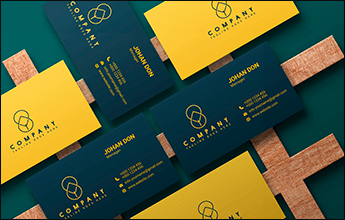
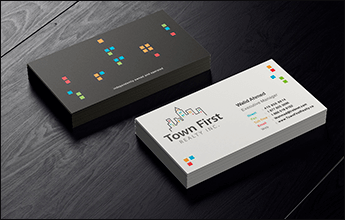
Here, it's recommended to give free rein to your imagination. You can choose any size and shape you like for these business cards, as they're typically used for personal purposes, such as inserting them into a postcard or gift.
Personal business cards are typically the least formal, so create the design to suit your taste. You can add unusual designs or make the cards a unique round shape or another favorite shape.
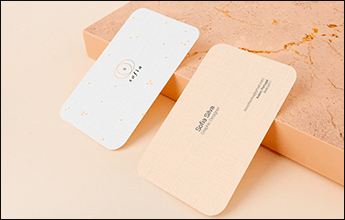
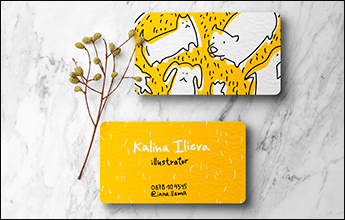
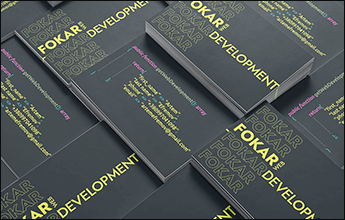
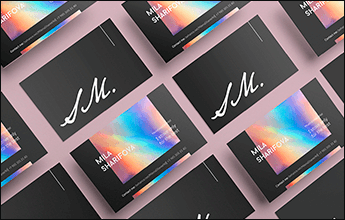
Branded plastic cards are also a kind of business card. They are gaining popularity every day. You can attract new customers with special bonuses, discounts, and privileges. These cards help you express your respect and gratitude to your customers, demonstrating your care.
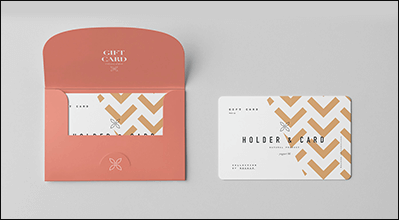
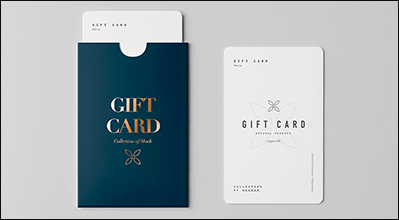
Depending on the purpose of the plastic card, they can have :
 embossed characters;
magnetic stripe;
barcode or QR code;
personal data of the cardholder (e.g. barcode, embossed names, photos, etc.).
It is also a powerful marketing tool that helps attract new potential customers and retain existing ones.
There is a special standard ISO-7810, which approves certain sizes of plastic cards.
It is important that they meet these parameters :
 The width should be 85.595 mm, with a tolerance of 0.125 mm.
The height should be 53.975 mm, with a tolerance of 0.055 mm.
The thickness should be 0.76 mm, with a tolerance of 0.08 mm.
The radius of the circle at the corners should be equal to 3.18 mm.
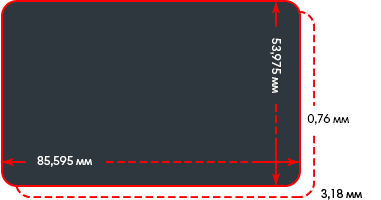

It's crucial that all components of a plastic card are correctly positioned. There are specific requirements for this. Following these guidelines will help you create a harmonious card design and ensure all elements are properly sized.
Embossing must be placed on the card at least 5 millimeters from the top, bottom, and right side of the card, and at least 6 millimeters from the left side. Embossed symbols must also not be positioned closer than 5 millimeters from the magnetic stripe.
If you are painting the embossing, remember that this area also has some restrictions - the distance from the top edge of the card must be at least 8 millimeters.
In addition, embossed symbols must not obscure information on the back of the card.
To ensure the card complies with accepted standards and can be read by specialized devices, a magnetic stripe is applied to it. It's typically 12.7 millimeters thick and located at the top, 4 millimeters from the edge. However, it can sometimes be located at the bottom of the card.
Magnetic stripes typically contain three tracks, each encoded in a different way, for banking transactions. Discount and club cards typically use a single track.
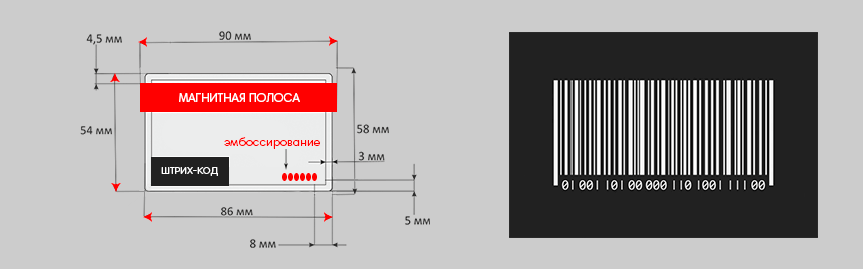
The barcode is positioned at least 3 millimeters from each edge of the card and from the magnetic stripe. Its dimensions depend on the information being encoded and the type of code. It's crucial to adhere to the minimum permitted dimensions to ensure the information is legible.
The length of a barcode depends on the amount of information it encodes, and its height must be at least 10 millimeters. When printing, the element is always black, and the background is usually white. You can use other background colors, but be sure to remember that other colors may make the code less readable.
The autograph strip has no specific size or placement requirements, so you can choose any location and size. Most often, the signature strip is placed at the bottom of the card.
To ensure optimal card performance, it's recommended to place your signature no closer than one millimeter from the card's edge. It also shouldn't be placed right next to the magnetic stripe, as this may interfere with the reader's ability to read the information. It's best to place your signature at least 5 millimeters from the edge of the magnetic stripe.
If you're looking to break the mold and create unique business cards to boost brand recognition and generate interest, here are some unusual ideas.
Unusual design of business cards :
Material. Plastic cards are unlikely to impress anyone, so choose unusual materials for your business cards, such as wood or metal.
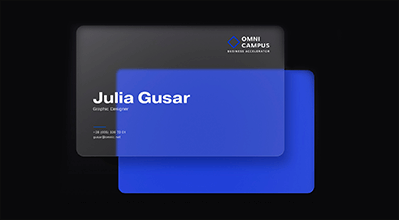
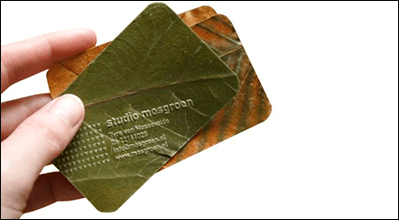
Shape . To attract attention and make a lasting impression, consider creating business cards in unusual shapes—circles, triangles, palms, and so on.
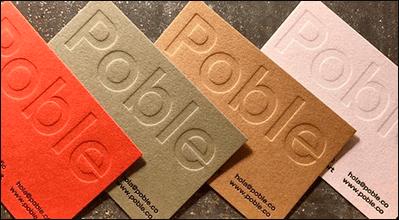
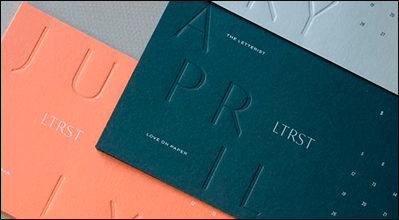
Embossing. If you want a standard business card but want to add a special touch, you can create an embossed design.
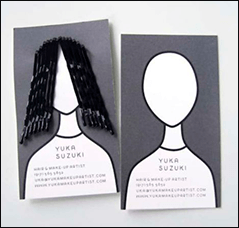
Fun. These business cards are typically non-standard sizes and contain additional elements—they can be used to add something, cut it out, "find a secret," etc.
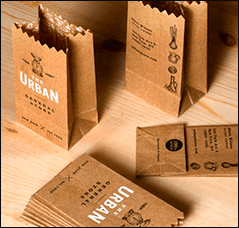
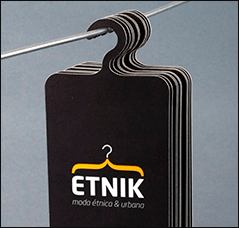
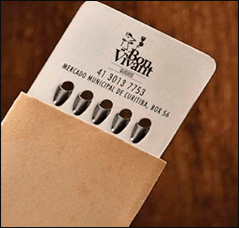
Benefits : Practical business cards not only provide information about the company, but they can also be used for other purposes (like a ruler or mini calendar).
Magnets . These business cards will always be in sight, as they don't need to be stored in card holders or wallets.
A business card is the "face" of any company. Business cards can help you build a reputation and attract new clients.
If your business card is designed correctly, you'll quickly gain the trust of potential customers and be able to take your services or product to the next level.
To ensure your business cards perform their intended purpose and deliver maximum value, entrust their creation to true professionals, like the team at WeLoveBrands . Call us or send us a message in the chat and receive high-quality, memorable business cards in standard sizes or with a unique, eye-catching design.