Receive a presentation of services and expert advice
The best people in the industry oversee your brand development process
→ Need branding, design, or creative solutions? Call us at +48 505 648 022 or message us on WhatsApp.
 WeLoveBrands.pptx

The best people in the industry oversee your brand development process
Chinese officials used paper business cards as early as the 2nd or 3rd century BC. Today, business cards are a must-have in the business world and business networking, as well as an integral part of the image of both a company and an individual professional. They are a marketing tool that helps promote products or services and increase sales.
All business cards differ in purpose, shape, design, text placement, and material. Design trends evolve, new features emerge to attract consumer attention, and various technologies and techniques are used to simplify data exchange—all to create a positive impression, generate interest in the product or service, and encourage customers to take a targeted action, rather than simply picking up the card, twirling it, throwing it away, and forgetting about it.
To create an effective promotional tool, you need to choose the right business card type, material, and design elements. We've compiled a list of key differences between business cards and design recommendations.
Depending on the purpose of the business card and the business objectives, the information on it, as well as the design features, will differ.
Personal business cards are used to establish personal relationships. In addition to the required first name, last name, and contact information, they often include personal information that helps create a first impression: mentions of hobbies and interests, and brief descriptions of professional qualities and skills.
A personal business card effectively enhances one's image, highlights a specialist's individuality, and creates a positive image. They are handed out at various events, social gatherings, and meetings.
This type of business card includes business cards for professionals providing various services: designers, hairdressers, massage therapists, lawyers, baristas, etc.
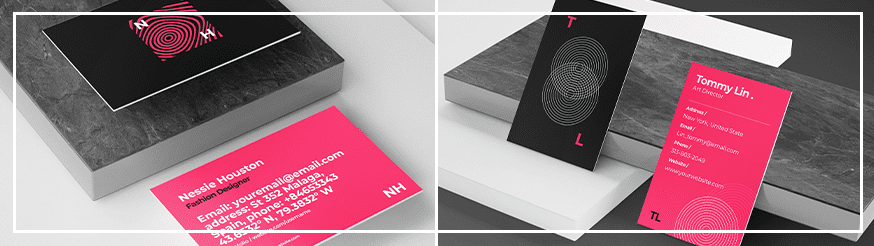
A business card is used to establish professional contacts. It's a must-have for founders, CEOs, and key managers. Such cards are also useful for freelancers and entrepreneurs.
Business cards have strict design and information requirements; any flights of fancy are not encouraged. The card's purpose is to provide contact information and convey the professional's credibility to partners and clients. Therefore, it's important to include the last name, first name, place of work, job title, phone numbers, and email address on the card.
The design uses the company's corporate style, strict forms, and calm colors.
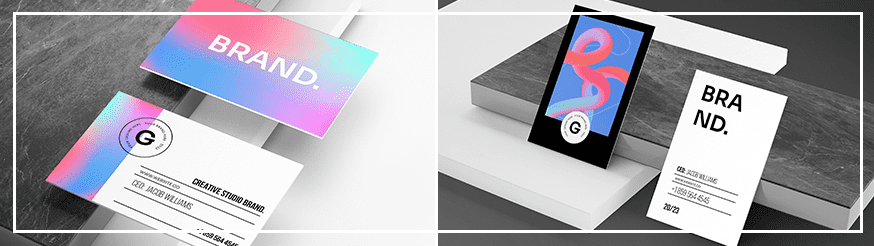
Corporate business cards are a type of business card. They are distinguished by the fact that they contain information about the company or institution. These cards are used at presentations, business conferences, and other professional events. They are printed in large quantities, so it's important to strike a balance between price and quality.
Corporate cards include the company name, industry, services, website link, and general contact information. Adding directions to the office on the back will make it easier for new clients to find your company.
The main design requirements for such business cards are quality, information, and minimalism. Remember that corporate business cards represent your company, reflect its character and values, and influence the overall impression.
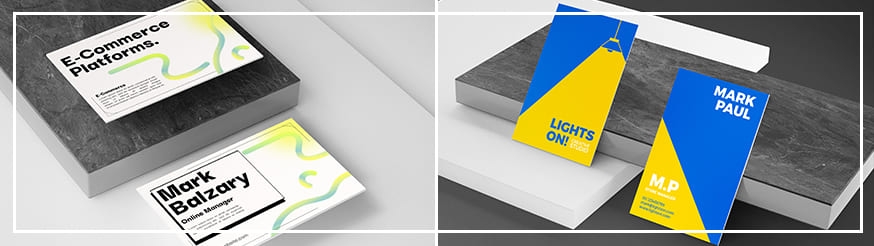
Promotional business cards help promote products and services. They're an accessible marketing tool that can be used, for example, to highlight product benefits, offer a discount, invite consumers to participate in a loyalty program, and so on. Once customers are familiar with the offer, they're more likely to take advantage of it and then return to order more.
Advertising business cards are distributed in high-traffic areas or placed on special stands at the entrance to shopping centers. In addition to general information about the company and its products, they contain information about promotions, gifts, bonuses, discounts, and special offers.
The main design requirement is eye-catching and unusual elements, as well as various gimmicks to attract and hold attention. Original, large fonts and bright colors are acceptable, especially if they align with the company's corporate colors.
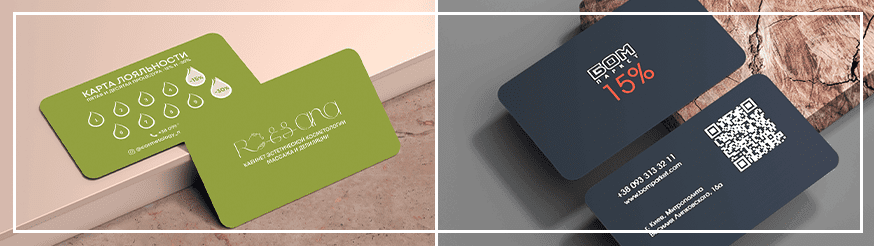
Today, the shape and size of a business card is another way to express individuality and attract the attention of partners and clients.
The most common types of business cards by format:
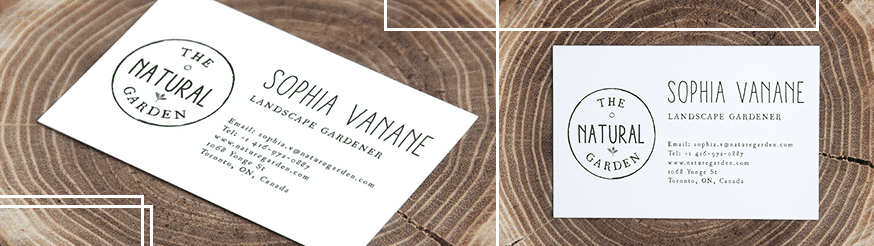
standard rectangular;
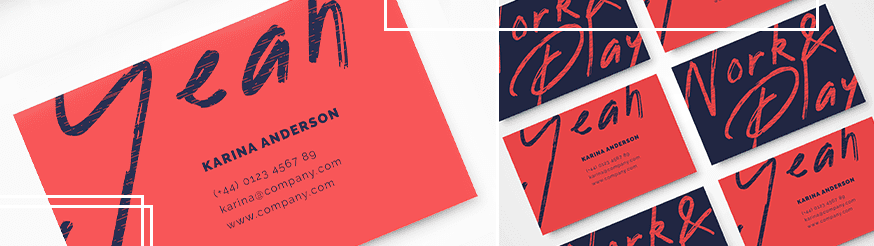
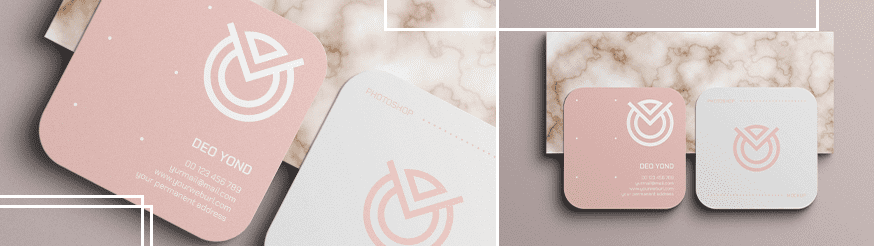
with rounded edges;
non-standard.
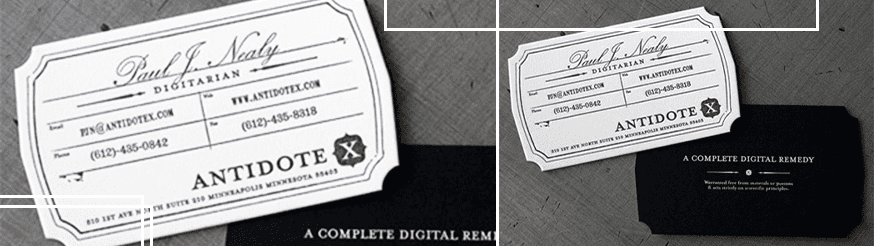
The first two options are typical for most companies, while the more unusual ones are suitable for promotional events to attract the audience's attention, be memorable, and evoke a certain reaction.
The most popular rectangular business card size in Ukraine is 50x90 mm. European businesses most often use a credit card-like size of 55x85 mm, while American businesses use 89x51 mm, and Japanese businesses use 91x55 mm.
Rounded corners create a sophisticated look. These business cards are suitable for cardholders, last a long time, and are also printable on most types of cardstock. Rounded edges complement soft, modern fonts, smooth lines, and clean logos. Business cards with only one or a few corners (for example, opposite corners) look especially sophisticated.
For an effective business card, we recommend choosing a Ukrainian or European version. This will allow it to fit in a business card holder or wallet, preventing it from getting lost and ensuring it remains attractive for a long time.
To stand out from the competition and increase brand recognition, use unique business cards.
The highlight can be an unusual shape, such as a square or triangle, or an unusual material (wood, leather, metal, etc.) or different effects (embossing, die-cutting, a combination of matte and glossy surfaces, etc.).
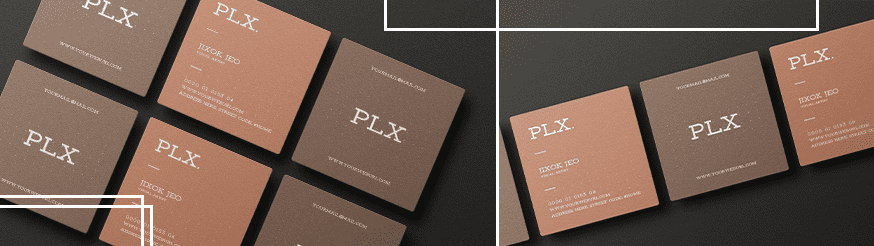
Square business cards are typically 60 x 60 mm in size and attract attention even with the most minimalist design. Their compact size makes them ideal for inserting into product packaging, using tags, or using coupons. Square business cards are smaller and lighter than rectangular ones, so for added weight and a solid look, it's best to use thick cardboard.
Folding business cards —bifold, accordion-style, vertical, and horizontal—allow you to display a large amount of information to advertise your products or services. These cards offer ample space for one or two photos, additional information about the business, and the benefits of partnering with them. The final page can be tear-off for use as a coupon with a discount code, depending on the industry and product.
Shape matters. Original business cards are key to memorability. They can clearly demonstrate the specifics of a business—for example, a card shaped like a comb and scissors is associated with a hair salon or barbershop, a washing machine with a laundromat and dry cleaner, and a wrench with a car service station or other repair shop.
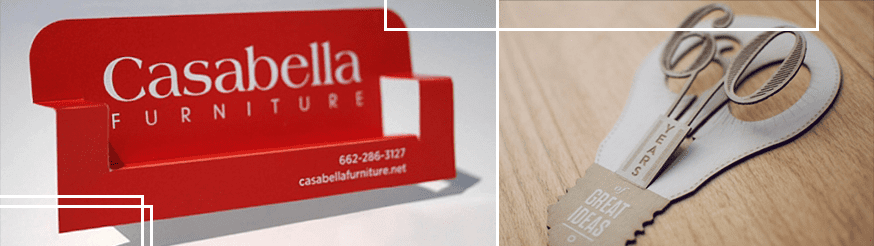
Choose a business card design based on its purpose and line of business—only then can you achieve the desired result. The design, like the text, should adequately convey information about the business's specifics, reflect its personality and values, and convey the core idea.
Conservative . These business cards are chosen for large companies, their executives, government officials, and representatives of law enforcement and official agencies. They primarily serve an informational purpose, and are traditionally called "business cards." These are rectangular cards printed on matte, thick cardboard, typically in light shades.
Business cards are issued in the national language, and for international companies, in English as well. In Western traditions, it's customary to write the first name before the last name, without the patronymic. A convenient email address is also important.
The conservative style is characterized by simple and legible fonts and the absence of flashy colors and images.
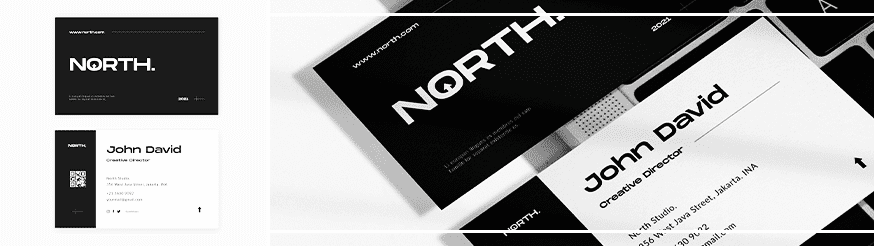
Standard business cards . Each country has its own design standard. Some European countries allow various sizes, but Germany, for example, is against any deviations. In Japan, exchanging business cards is a strict ritual; business cards are called "meishi," and their traditional size is 91 x 55 mm.
In the post-Soviet space, the generally accepted size is 90x50 mm. If you need a card for international business, you can stick with the Euro size 85x55 mm. These cards fit primarily in wallets and business card holders.
Standard cards, like conservative ones, are characterized by a strict design with a minimum number of images and a simple font.
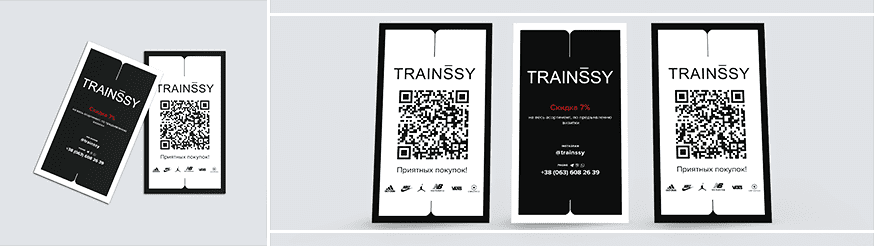
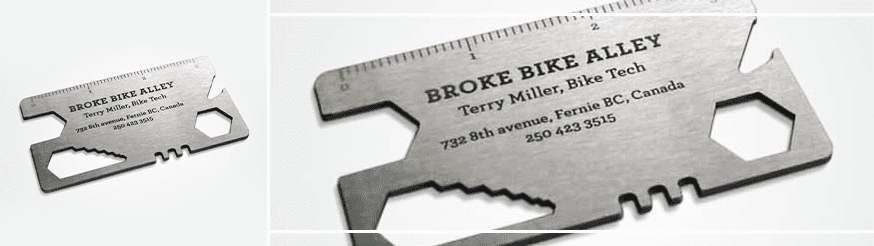
Creative (unconventional) business cards reflect the ideas and creativity of the business owner. The main rule in their design is no rules. Do you manufacture and sell tools, or repair and maintain equipment? Hand out business cards in the shape of a wrench or electric drill made of metallized plastic. Do you make semi-finished products or specialize in baked goods? A flat cardboard varenyk or kalach would be the best business card. And for a craft beer shop, a bottle opener business card with the address and basic company information would be an effective solution.
Henry Ford once said, "A car can be any color, so long as it's black." So, your business card can be anything, as long as it fully addresses your business objectives and reflects the character of your corporate or personal brand.
For some business cards, adhering to tradition is vital, while for others, breaking the rules is crucial. This applies to the materials used and the way the information is arranged. Most often, text and graphics are placed horizontally or vertically on one or both sides.
Horizontal cards are a traditional way to display content. They're used for business cards for employees of corporations, international companies, and government agencies. The advantages of this type include the ease of displaying names, including long ones, and their ease of perception and reading. The disadvantage is that these cards are the majority, making it difficult to stand out in this industry.
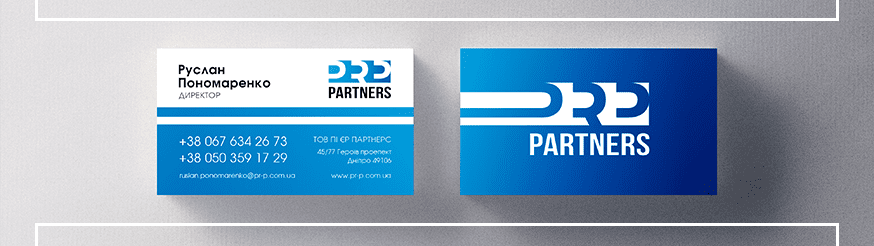
Vertical business cards attract attention and stand out. However, they are more difficult to display all the information on, so careful design and layout are required. Vertical cards are most often requested by creative professionals and service providers.
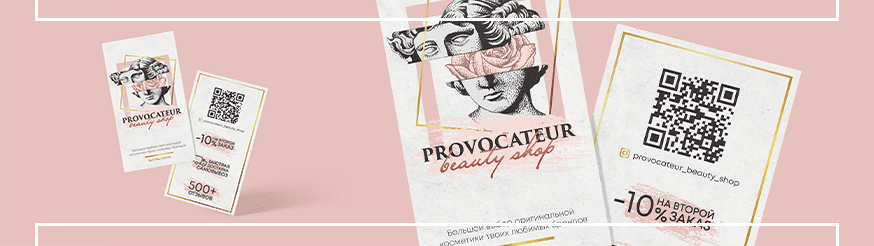
Single-sided business cards are a traditional and widely accepted format in the business world. These cards are exchanged between company representatives and government officials. In accordance with business etiquette, single-sided business cards contain only the most important information: company name, job title, full name, and contact information.
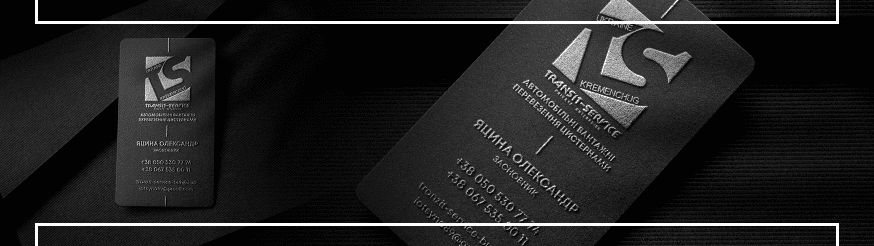
Double - sided business cards are used when a company offers a wide range of products or services. In this case, key information is placed on the front, and a list of products or services is printed on the back. Directions to the office can be included. The main advantage of a double-sided business card is that it can accommodate twice as much information.
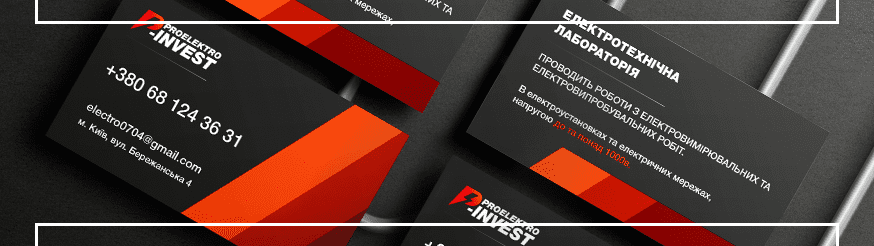
The choice of business card format should be approached with care. What might be acceptable and beneficial in a creative environment can damage your reputation in the world of business and international relations. To avoid mistakes and use this advertising tool effectively, it's essential to entrust the design and printing of business cards to experts.
The first business cards were made of thick paper, with information printed by hand. Today, printing uses a variety of materials, from cardboard to cutting-edge carbon fiber. Each offers its own advantages, distinct appearance, and tactile feel.
Paper . This is the traditional material for business cards, characterized by its availability and low cost. At the same time, thick paper offers virtually unlimited creative possibilities: you can hand out cards to partners and clients with a traditional design and black printing on a white background, or, for example, black cards with gold foil details. Paper business cards come in any shape, size, color, and special finishing options, such as spot UV and foiling.
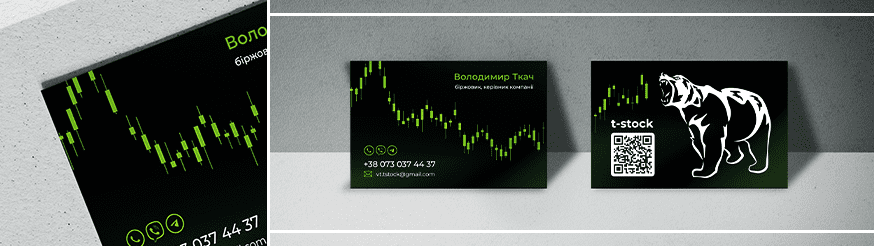
Designer cardboard offers the opportunity to engage the visual and tactile senses and stand out from the competition's standard offerings. Whether it's linen embossing, a felt texture, or a watercolor effect, the unique surface texture creates a distinctive impression. This material also guarantees vibrant colors and optimal ink adhesion, resists mechanical impact and UV radiation, and maintains a presentable appearance for a long time. Even complex images can be printed on these business cards.
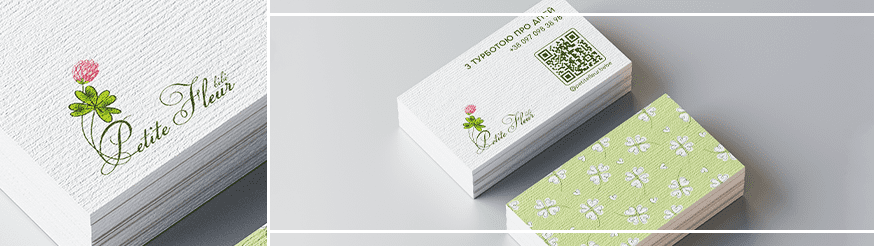
Triplex business cards are a type of multi-layered card printed on high-quality paper with three layers of different colors. To convey an aura of wealth, the cards are foil-trimmed and feature full-color printing.
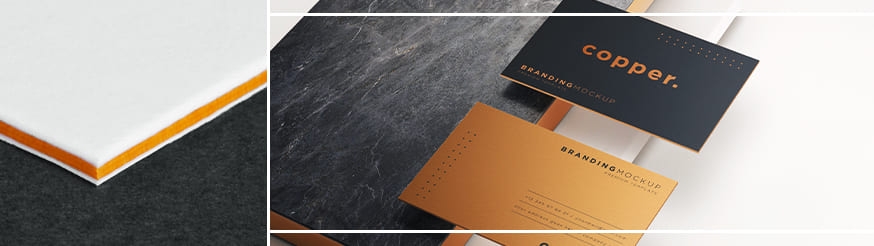
Plastic cards are a durable and attractive alternative to paper and cardboard cards. They retain printed information perfectly, don't wrinkle, and are resistant to moisture, dirt, and tears. Customers can choose from a variety of thicknesses, glossy or matte finishes, and single-color or full-color printing. Full-color plastic business cards are especially suitable for photos and gradient graphics. Signature panels or QR codes can be added to the cards.
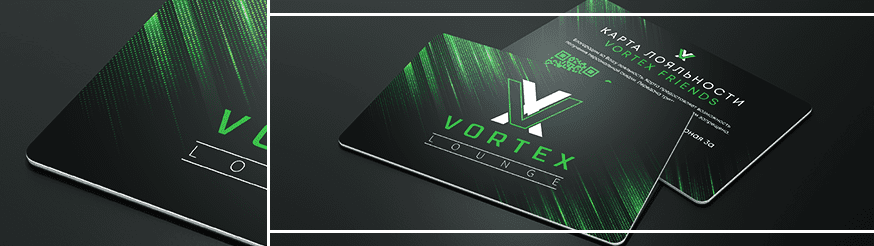
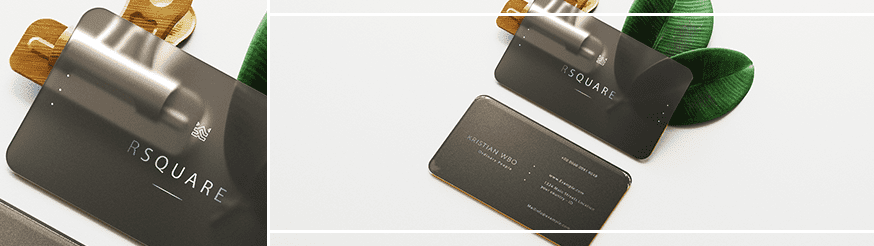
Transparent business cards, in addition to their unique appearance, offer a long service life. The material's properties make them suitable for loyalty, discount, bonus, gift, and VIP cards. Transparent business cards allow for unique visual effects—printing on the back appears to be hidden behind the graphics and text on the front.
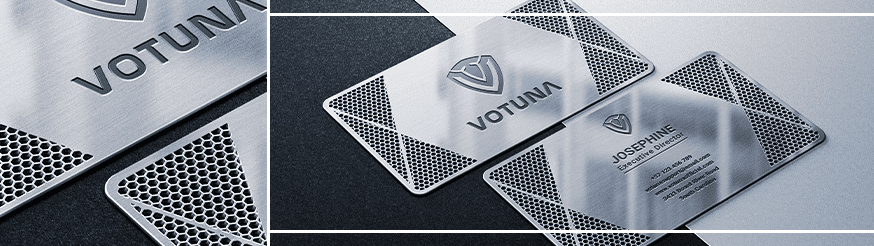
Metal business cards made of stainless steel or polished bronze have mechanical memory and return to their shape after bending. Due to the metal's resistance to external influences, even daily use does not cause tarnishing or corrosion. A photochemical process and milling allow for the creation of custom patterns and perforations. A metal business card will represent a successful business to your partners.
Wooden . This material offers another unique way to attract the attention of potential partners or clients. High-quality, fine woods are selected for these business cards, including Finnish birch, bamboo, cherry, or black walnut. The cards are cut from large sheets, giving each one a unique pattern and character.
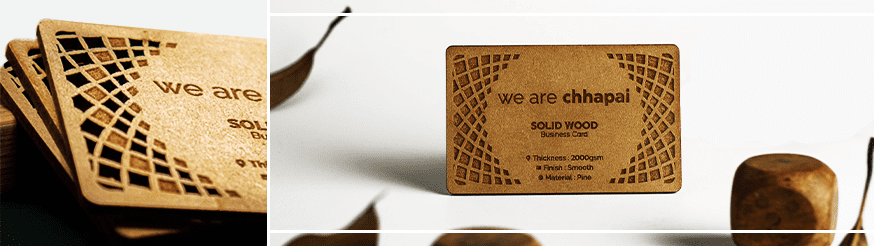
To ensure the card's structural integrity, a three-layer plywood-like material is used. The outer facing surfaces are made of natural veneer, while the middle layer is made of high-density fiberboard. This construction ensures strength and allows for intricate patterns to be cut without risk of breakage. Text and graphics are engraved onto the surface using a high-power CO2 laser with a resolution of 1200 dpi. The exceptional precision and power of this machine allows for the creation of decorative patterns and other design elements.
When choosing a material, consider the type of business, the intended use of the business card, the quantity printed, and the budget. For example, to emphasize status and individuality, consider designer cardboard or laminated business cards; for general use, paper or plastic are suitable; and to attract audience attention, choose wood or metal.
To create a presentable business card without overdoing it with creativity or text, our experts recommend following simple rules.
Use a minimalist design . A business card should contain precise and easy-to-read information, and the design elements should be concise. However, it doesn't necessarily have to be simple; quite the opposite—a clear yet interesting design is a good option. To ensure a harmonious look, it's important to choose the right shapes, style, color scheme, and fonts. To attract attention and increase recognition, use unconventional techniques and modern technologies, but in moderation.
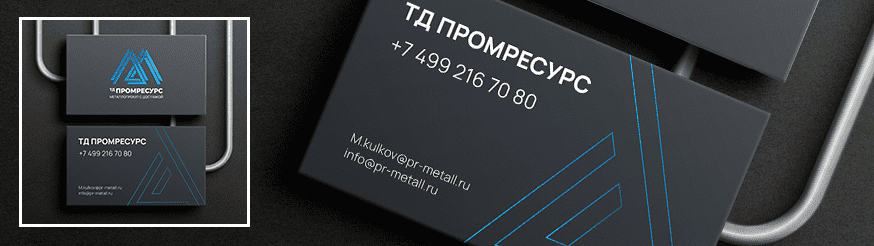
Provide high-quality information . Standard business cards are limited in size, so the text must be clear and understandable. It is recommended to print only essential information and key contact information on the card. For more detailed information, include a QR code that, when scanned, will link to your website, social media pages, blog, YouTube channel, etc.
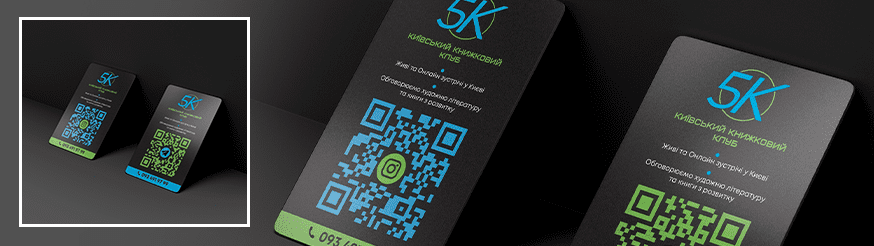
Choose your materials carefully . Remember that the quality of your business card material impacts your business's overall impression, company image, and audience trust and loyalty.
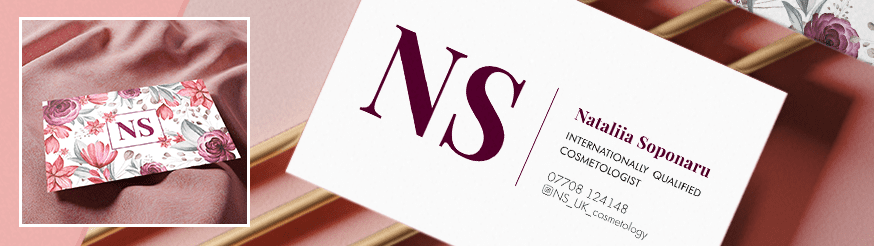
WeLoveBrands studio designers can help you create unique business cards—from business cards that strictly adhere to business etiquette to creative, unconventional options. We'll help you choose the right material and print run for your budget, and we'll also develop a corporate identity and logo if needed. We avoid cliches and timeless trends, creating a style that will endure for decades and remain relevant.
To get a consultation, find out the cost of the service, and order a business card design of any type and for any business, call us, message us via messenger, or fill out the callback form on our website.