Receive a presentation of services and expert advice
The best experts in the industry will oversee your brand development process.
→ Need branding, design, or creative solutions? Call us at +48 505 648 022 or message us on WhatsApp.
 WeLoveBrands.pptx

The best experts in the industry will oversee your brand development process.
It sounds like "bad taste" and "hackwork," but it's distinguished by its shock value and rejection of authority. It was once a manifestation of popular culture, and today it's a powerful commercial tool in advertising, marketing, and design. What are we talking about? Of course, it's about a style known as American kitsch.
This is one of the most controversial cultural movements. Some reject it entirely, while others are thrilled by designs in this style. Kitsch has no precise definition and is viewed in varying ways, yet it is a phenomenon and a popular graphic style. In this article, we'll explore its characteristics and advantages.
American kitsch (German: kitsch) is a style of advertising and design that was actively used in the United States in the 1940s and 1950s. Initially a manifestation of popular culture, it soon became widely used in signage, posters, and illustrations. It is not officially considered a distinct style.
Translated from German, "kitsch" means "tasteless, hackwork." It was used to describe mass-produced items and objects of no artistic merit. In other words, this category encompassed anything considered in bad taste.
It all started with the production of cheap items and plastic products that were supposed to replace more expensive and, therefore, inaccessible to ordinary people things.
The popularity of this phenomenon was fueled not only by its low cost, but also by the lack of aesthetic taste among some citizens. Consequently, colorful and garish items that didn't match began to find their way into people's homes.
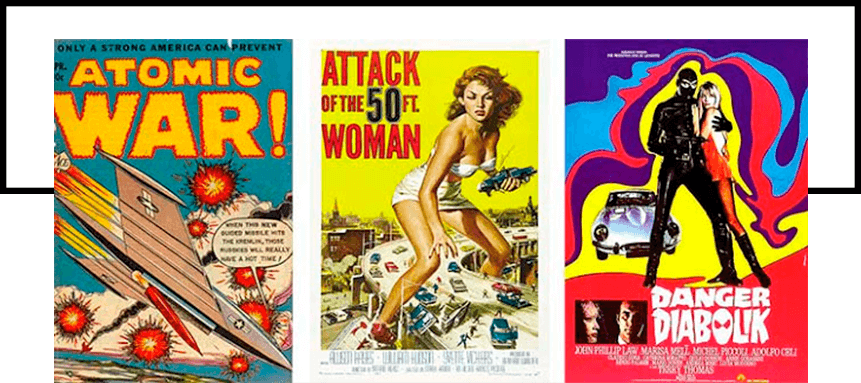
Kitsch copied masterpieces of art, but at the same time had a simpler and more “folk” look, so it became something between culture and lack of culture.
As consumer demand grew, it found its way into other areas of life – jewelry, architecture, and interior design.
Kitsch gradually spread to literature and advertising. This phenomenon began to be actively used in posters and placards as an embodiment of irony and sarcasm, that is, ridicule of style.
After this, kitsch became even more popular, reaching television and web design. One of the first examples of packaging and logo design in this style was the Barbie doll.
The benefits of using American kitsch:
 helps to highlight the character of the company;
 establishes an emotional connection between the brand and consumers;
 allows you to create unique and interesting designs;
 attracts attention and intrigues;
 gives a product or company a special charm.
Today, this style is actively used in advertising posters, signs, packaging, and logos. It is also often found in interior design and menu design.
The movement is distinguished by its emotionality. At times, it teeters on the brink of vulgarity, cheesiness, sentimentality, and pretentiousness.
There are two types of this phenomenon:
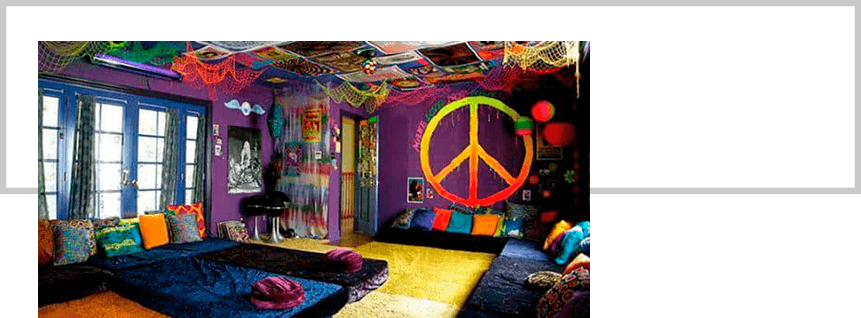
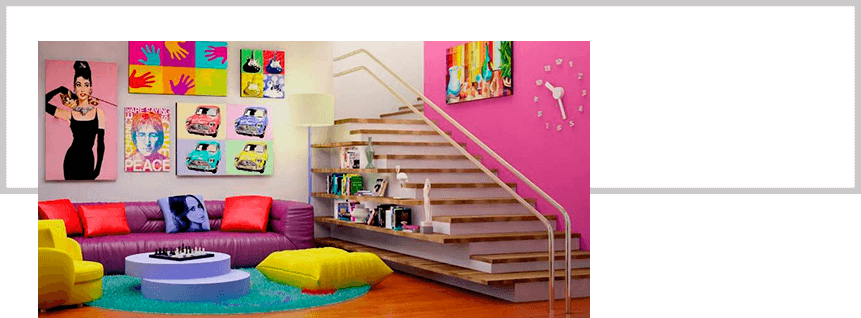
Regardless of its type, kitsch has its own distinctive features that help designers achieve the desired effect. It is characterized by the presence of a character, a compelling plot, and emotion.
Characteristics of American kitsch:
Style is largely dependent on fashion trends and the opinions of critics. What one considers vulgar, another may consider trendy, which is why there's no consensus on what constitutes kitsch. This is its essence, and it's what causes its popularity or decline in a given period.
Whatever the case, kitsch evokes certain emotions and associations in consumers, thereby attracting attention and striking a chord. It can be used to emphasize a company's individuality and express its attitude toward various things and phenomena.
The style will be an excellent solution for companies working in the entertainment industry and creative studios, as well as for conducting interesting advertising campaigns.
You can order a design in the American kitsch style from the WeLoveBrands studio. To do this, please contact us by phone or ask a question in the chat.
The style is actively used in advertising, identity and marketing to reflect the atmosphere that prevailed in the United States in the 1950s and to give designs a special charm and spirit of the era.
To create an engaging design, it's essential to select the right images, colors, and fonts. These elements must work harmoniously together and convey the desired message to consumers.
The components that form the basis of the style:
 Picture . All the characters are emotional, and the images and situations are often exaggerated. This style often features exaggerated human figures, exaggerated scenes, and theatrical poses.
As kitsch developed during the Cold War, posters and illustrations used propaganda to depict airplanes, cars, space-themed scenes, and symbols related to nuclear technology.
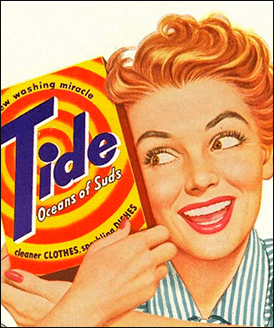
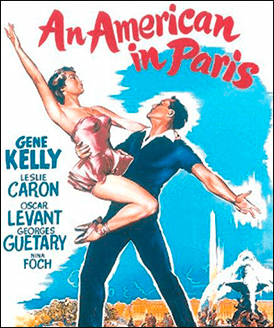
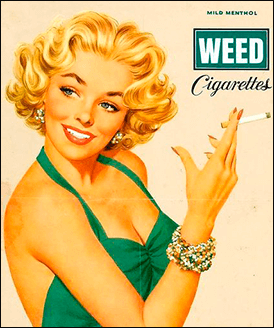
After World War II, this trend was also used in advertising for real estate, children's goods, and household goods.
 Color scheme . Kitsch favors bright, saturated colors and contrasts. Designs often use incongruous shades that nevertheless appear harmonious and eye-catching.
Pale colors, seemingly sun-bleached, are also acceptable. This design is often used to mimic 1950s advertising and posters printed on cheap paper.
 Fonts . Handwritten fonts are chosen to create an emotional, dramatic design. Playful and light typefaces, fonts with flourishes, and thick letterforms are common.
Although kitsch was popular in posters, illustrations, and advertising, it has spread to other areas as well. Interior design, brand identities, and websites are all developed in this style.
Kitsch is known as 1950s art characterized by vulgarity, pretentiousness, and sexuality. These traits were widely used in roadside cafe signs and advertising posters at the time.
The artificial poses and scenes, the excessive sentimentality and dramaturgy created a comic-book effect, attracted attention and generated interest.
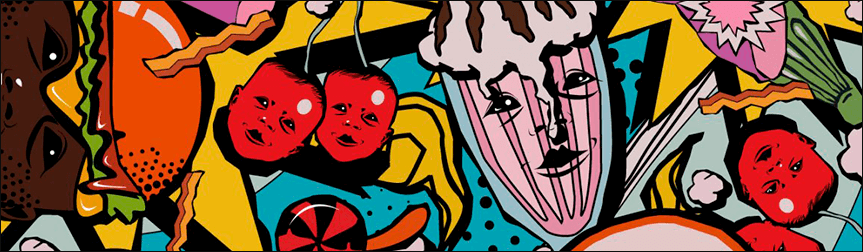
Designers still return to this style when they need to create intriguing illustrations and unique, vibrant designs.
The style's popularity led to its spread to other areas of design, particularly identity and branding. Kitsch began appearing in logos and corporate identities of various companies.
It attracted attention, was quickly remembered, and helped highlight the uniqueness of a business, which is why it was increasingly used in the development of brand names.
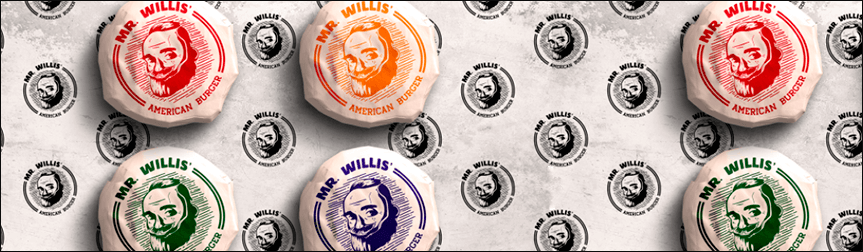
@ Raoni Locatelli
Perhaps the most famous logo in this style is Barbie. It's designed in the tradition of romantic kitsch (pink, soft font, and a silhouette of a beauty).
Since the style was very popular in advertising, it began to be used in the development of product packaging.
The loud and bright design of the packaging caught the eye, generated interest in the product and contributed to increased sales.
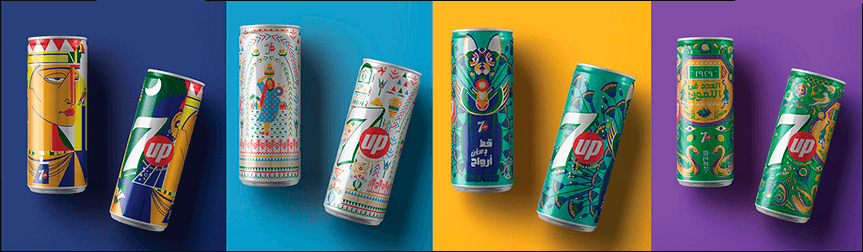
@ Ghada Wali
@ Wali`s Studio
This approach isn't used very often in website design , social media account development, or SMM design . This is due to its specific features and the public's controversial attitude toward it.
Kitsch is typically chosen by outrageous individuals, cafes, and companies that want to ridicule certain phenomena or highlight a particular issue.
During the Soviet Union, this style was used primarily for advertising and propaganda (posters, posters, postcards), but after its collapse, it acquired a new face in Ukraine.
Designers often departed from the essence of kitsch and adapted it to contemporary values. Using various techniques, they played with femininity, the image of the guardian woman, and family traditions.
Thus, the kitsch popular in America, which was used for protest and sarcasm, became superficial in our country. And people who didn't want to think about complex issues liked it.
The situation changed in the 2000s. Then, designers and artists gradually began to embrace irony and sarcasm to portray the "bourgeois" life that some aspired to, attempting to surround themselves with glittering objects and, despite their lack of taste, to arrange everything "richly."
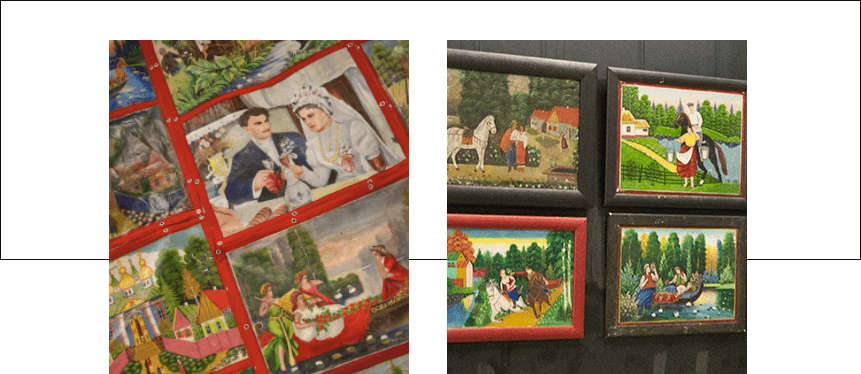
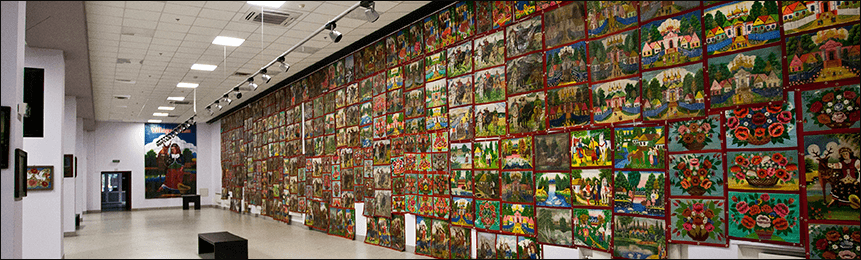
One of the most striking projects executed in this style is Anton Mukharsky's "Rural Glamour," presented at an exhibition in 2009. At that time, visitors were shown paintings by various artists, distinguished by their vibrant, fairytale-like beauty and fantastical themes.
The paintings depicted men who looked like movie stars, but were in primitive and unnatural poses, fashionable and sad beautiful girls against the backdrop of deer and birch trees, children who looked like angels, “contented” animals, etc.
Kitsch then spread to advertising, creating original company images, facilitating product identification, and evoking emotions in consumers.
One of the most famous designers who uses kitsch in his projects is Dmitry Rastvortsev. His works feature stylistic excess, satirization of Soviet aesthetics, biblical motifs, memes, and references to current social issues.
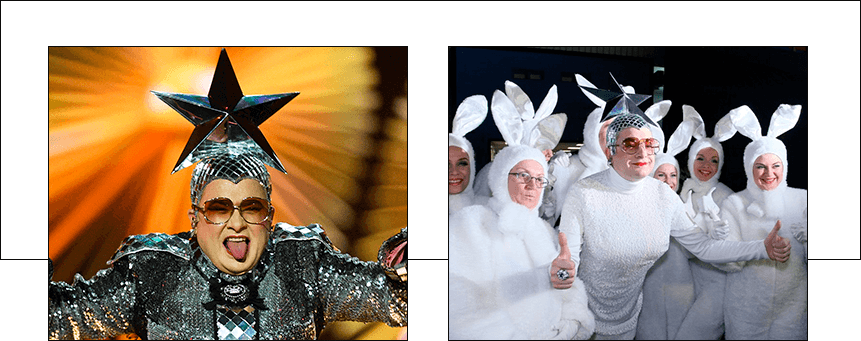
Verka Serduchka is considered the embodiment of kitsch in Ukrainian show business.
Today this style is used in interior design, advertising, identity and website development.
As mentioned earlier, kitsch as a graphic style originated and reached its peak in the United States. This trend remained popular until the 1960s. It was used in printing and advertising and reflected the spirit of the time.
But manifestations of kitsch were already evident in 19th-century European art and literature. These works were characterized by excessive sentimentality, saccharine, and maudlin sentimentality.
The concept itself emerged in 1860 in Germany. The word "kitsch" meant "tasteless and shoddy" and was applied to cheap items sold at art galleries and aimed at American consumers. The word derives from the German verbs "kitschen" (to do something haphazardly) and "verkitschen" (to sell something unnecessary), so it clearly captures its essence.
Thus, kitsch immediately became opposed to everything expensive, luxurious and prestigious.
In America, its relevance was driven by industrialization. People were moving en masse from the provinces to big cities, striving for a life of luxury that they often couldn't afford. Add to this a lack of aesthetic taste, and you get this craving for kitsch.
At the same time, in Europe, this style was often called vulgar, crude, and emotionally depleted. However, many saw it as an effective sales tool, so they began using it in advertising to attract attention.
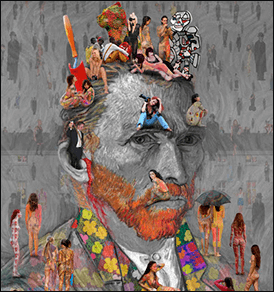
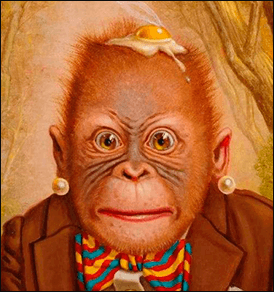
Kitsch gradually migrated from mass-market fashion and art to advertising and marketing, and then to other forms of design. It first became popular in the United States, and then in several European countries.
The style was popular in the 1940s-1960s, then in the 1990s and 2000s, and is now trending in design in the form of comics, caricatures, and memes.
To stand out from the competition, engage customers, and highlight your company's personality, you need a unique and engaging design. American kitsch can achieve this effect.
You can order a design in two ways:
If you decide to outsource a service, look for an experienced and responsible specialist who will meet your deadlines and won't disappoint you with a boring, formulaic design.
Logo design from freelancers starts at 30 $, packaging at 10 $, and website design at 50 $. Prices vary depending on the design type, the designer's qualifications, and the region.
To avoid risk and waste time searching for a competent specialist, consider hiring professional designers. They value their reputation and are responsible for the results. You'll receive a high-quality design tailored to your business needs that will attract an audience and drive sales.
The cost of a design studio's service is determined by the scope and complexity of the work, the deadline, and the number of completed designs. On average, this starts at $20 for printed materials, $150 for a logo, and $130 for a corporate identity.
To order an American kitsch design from WeLoveBrands, receive a consultation, and find out the cost, please contact us by phone or send a message in the chat on the website.