Receive a presentation of services and expert advice
The best people in the industry oversee your brand development process
→ Need branding, design, or creative solutions? Call us at +48 505 648 022 or message us on WhatsApp.
 WeLoveBrands.pptx

The best people in the industry oversee your brand development process
Mimar Sinan, Antonio Gaudi, Francesco Rastrelli, Andrea Palladio, Zaha Hadid, Frank Gehry – many have probably heard these names, as we are talking about famous architects who have given the world many masterpieces and amazed with their unconventional projects.
But to achieve similar success today, being an expert in your field and creating cool projects isn't enough. In the digital age, it's crucial to create and maintain a certain image and share useful information with people.
The internet has changed the way we approach not only obtaining necessary information but also sales. While previously, a specialist's work was the only thing they were known for, and media coverage required creating something unique, now anyone can make a name for themselves.
To emphasize your individuality, stand out from the competition, and expand your client base, it's essential to develop a personal brand as an architect. This is especially important for beginners, who are just beginning to build their reputation.
A personal brand is what other people (competitors, clients, fans) think of you, as well as the emotions you evoke in them. In other words, it's the image that forms in consumers' minds when they hear your name and associate it with your activities.
Even though we're talking about other people's thoughts, you can still influence them if you know your strengths and know how to present them correctly.
Part of a personal brand is your image, or how you present yourself. It's built on archetypes, character traits, appearance, and cultural and social factors.
Style and fashion are also important in building an image. Style represents a person's individuality and unique traits, while fashion is a combination of habits and tastes, reflecting current trends.
Architecture is a visual industry, so it's crucial to develop a strong visual identity. Furthermore, it's a highly competitive field, requiring a strong sense of distinction. Therefore, a good business strategy includes developing a personal brand.
A personal brand helps attract an audience, build communication with consumers, and increase brand awareness. It's a powerful tool for improving your reputation and making a significant contribution to business development.
Personal branding allows you to:
develop activities;
expand the customer base;
improve reputation;
get ahead of the competition;
increase consumer confidence;
demonstrate your expertise;
increase recognition;
promote services through various channels.
By developing your personal brand, you can tell a wider audience about yourself and your projects, share valuable experiences, and establish useful connections for future collaboration.
Goals of personal branding:
 creation and promotion of a certain image;
 taking your business to the next level;
 obtaining recognition;
 increase in the cost of services;
 reduction of promotion costs.
An architect's personal brand allows them to demonstrate expertise and experience, and people are willing to pay more for this because they want quality, reliability, and confidence.
For beginning professionals, personal branding can help you establish yourself, attract audience attention, and create an image that communicates your positioning.
Disadvantages of creating a personal brand:
You will have to constantly monitor your reputation and image, controlling your every step and thinking ahead.
Bringing your brand to different platforms will allow people to see your work and publications, discuss them openly, and leave comments, some of which may not be pleasant, and you need to be prepared for this.
To build a successful personal brand, you need to have certain knowledge and understanding of marketing in order to avoid mistakes during promotion.

If you don't know where to start or don't want to do it all alone, you can trust WeLoveBrands to help you create your personal brand from scratch. Our specialists will analyze your target audience and competitors, develop a strategy, and help you develop your personal brand.
First impressions are formed spontaneously, and it only takes 30-40 seconds for a person to form them. When interacting with a brand, people try to assess its personality, so it's important to emphasize its values and strengths.
Emotions are also important, because an image that evokes pleasant associations will add value and increase consumer loyalty and trust.
To make a good impression, you need a strong personal brand, as it evokes emotions, sets audience expectations, and communicates your uniqueness. You also need to demonstrate your professionalism and show customers that your communication with them isn't just about making money. To achieve this, you need to post useful and engaging content on your website and social media.
5 ways to influence people's impressions:
 Don't be afraid of criticism and let people have their say . Respond to all comments: positive ones with gratitude, and negative ones with an explanation of the reason for the negativity and a solution to the problem.
 Build personal connections and develop a following . Loyal clients, acquaintances, or friends can become brand advocates, helping promote your services.
 Tell stories . It can be anything – from where you studied, what projects you're proud of, what failures or funny situations you've encountered, to hobbies and topics that interest you.
 Create compelling content . Share your experiences with consumers, report on news in your niche, offer relevant advice (for example, whether it's worth building a house by the sea, how to save money during construction, how to assemble the necessary documents, etc.), and create engaging collections (houses in different styles, examples of rooftop gardens, etc.).
 Share your achievements . Talk about your completed projects, showcase your work, announce awards you've received, or are listed among top architects.
All these actions will help you create a positive image, showcase your strengths, and engage your audience. Just remember that it's best to be yourself, not to invent something that isn't true, and to do high-quality work. Mistakes in design and construction will be very costly, and branding alone won't fix the situation.
An architect's personal brand consists of personal input and external resources that can be used to one's advantage when developing the right strategy.
3 components of a personal brand:
Expertise is a foundation that includes knowledge, skills, experience and ideas;
reputation – people’s opinion of you, which is based on certain criteria;
Popularity – how well known you are in professional circles and how closely your name is associated with your activities in the minds of consumers.
Just as any building cannot exist without a foundation, a brand cannot exist without a strategy, because creating a specific image goes beyond the development of a website and logo.


It's important to set clear goals, demonstrate your values, and promote yourself as an expert on various platforms. This can be done through social media, participation in industry events, implementing special projects, and more.
A brand code is your key differentiator, your unique identity. It defines your positioning and development strategy. It can help you find your own style, understand how to market your services through social media, attract and engage your audience, and grow rapidly in the digital space.
The brand code consists of:
the benefits you bring to people;
positioning (uniqueness, strengths, benefits);
image (style, appearance, behavior pattern);
missions (brand purpose);
visions (development strategy and path to changing the world);
values (the deep essence and rules of life that are in tune with the values of the audience).
All these components define your individuality and help you find your path. In other words, a brand code allows you to build a strong personal brand by identifying your distinctive features, understanding your purpose, and choosing a communication style.
Archetypes are behavioral patterns that different people embody throughout their lives. This behavioral program is also chosen for a personal brand to create a vibrant image and make it relatable to the audience.
Knowing archetypes will help you understand the logic behind your actions, see your motivators, identify barriers to development, and make it easier to communicate with others.
There are 12 basic behavioral models used in personal branding. Each person possesses all archetypes to varying degrees, but when creating a persona, a dominant one is chosen, complemented by others. The core behavioral program is built on desires, values, fears, emotions, logic, and social aspects.
All archetypes can be conditionally divided into 4 groups:
 Individualism
Key attributes are self-knowledge, self-improvement, growth, and curiosity. This category includes the Sage, the Seeker, and the Innocent. The first represents knowledge and experience, meaning architects with this behavioral model should focus on their expertise, unique content, and excellent client results; the second focuses on an innovative approach; and the third emphasizes family values.
 Changes
The key characteristics are risk, spontaneity, freedom, and achievement. Here, archetypes such as the Rebel, the Hero, and the Magician stand out. The Rebel emphasizes independence and unconventional thinking, the Hero excels at challenging tasks, and the Magician emphasizes convenience, comfort, and the ability to empathize with the client.

 Stability
The key attributes are security, stability, clarity, order, and tradition. Here, a distinction is made between the Creator, who demonstrates original methods and interesting ideas; the Ruler, who operates in the premium segment; and the Caring One, who sees their purpose as supporting and caring for others.
 Connection with others
The key characteristics are loyalty, openness, communication, and energy. These include the Jester, the Lover, and the Everyman. The first focuses on experiences, the second builds a strategy around love, romance, and relationships, and the third offers affordable, everyday items.
To create a vibrant personal brand for an architect, it is necessary to blend several archetypes that are characteristic of a particular person and are most suitable for his specialization (building design, landscape design, restoration, urban planning, etc.).
Since consumers choose brands based on their values, it's important to build on an archetype that resonates with them. This will help attract customers, engage them in your services, and build trusting relationships.
The chosen archetype also influences the brand's design—corporate style, logo, website design, business cards, etc. For example, a behavioral model based on bold decisions and unconventional ideas requires an equally daring style, while an archetype such as the Ruler calls for the use of symbols of power and colors associated with luxury.
Any personal brand is built on a person's lifestyle and competencies. But it's important to start not with advantages, but with ideas and meanings—the brand's purpose, the value it will bring, and the benefits it can provide to people.
Having analyzed your competitors and target audience, and having determined your goals and unique qualities, you can begin to gradually develop your image.
3 steps to creating a personal brand:
# 1 Strategy and Positioning . At this stage, you need to understand where you're going and why, what's important to you, what market position you want to occupy, what you'll focus on, and how you'll differentiate yourself. This involves defining your brand's mission, values, and unique selling proposition, developing an action plan, pricing, and developing a personalized positioning strategy.
To create positioning you should:
study the market;
define the target audience;
analyze competitors;
find your unique traits;
formulate a message to the audience (name, slogan, logo, corporate identity, image).
An image can be built on archetypes. For an architect, a successful solution would be the behavioral model of a Sage (expert), a Rebel (unconventional projects), a Creator (innovator), etc.
# 2 Design . To get off to a good start and create a positive impression, it's essential to consider brand packaging. This includes both internal and external attributes. Internal attributes include the brand's story/legend, the associations it evokes, the message, and promises, while external attributes include speech, gestures, image, appearance, name, signature, logo, motto, etc.
5 tips for developing a personal brand:
Check your social media accounts (check for up-to-date information, photos, and posts) and other platforms. Delete any unnecessary information, and correct any inaccuracies.
Fix anything that could negatively impact your reputation and cause a wave of hate.
Consult a stylist for help in choosing a look, hairstyle, and a suitable color scheme to highlight your appearance.


Have a high-quality photo shoot that matches your image and archetype. Remember, a studio shoot doesn't always require formal attire and formality. You can choose and play with any image that reflects your personality and brand values.
You can incorporate some common elements into your appearance and brand style, such as a striking detail or accessory. And if your appearance has a unique twist, even better. Use it to stand out and highlight your individuality.
When working on your image, remember that you need to remain yourself in any circumstances, so don’t wear masks.
# 3 Promotion .To get as many people as possible to know about you and your projects, you need to use a variety of platforms. These could include:
social networks – Facebook, Instagram, Twitter, TikTok, etc.;
YouTube channel;
Pinterest is a great service for posting visual content;
messenger applications – Telegram, Viber, WhatsApp, etc.;
bloggers and opinion leaders;
industry events, conferences;
webinars;
blog;
creative website;
publications in the media;
publishing a book.
No matter what methods you use, the most important thing is to stay visible to your target audience. It's also important to conduct analytics to identify which social media posts and topics are most popular, whether your follower count is changing, whether the number of inquiries/orders through social media or your website is growing, and what resonates with your audience.
To build communication with consumers, you need to provide them with high-quality content (text, photos, videos, live broadcasts). This means demonstrating your expertise and being helpful by sharing interesting, relevant information.

Content types:
stories (something from life, successes, failures, interesting projects);
professional publications (opinions, reviews, news);
behind the scenes (working moments);
cases (completed projects, how we helped the customer realize his dream, etc.);
training (advice, recommendations);
motivation (what books do you read, how do you improve your skills, how do you keep yourself in good shape, etc.);
personal (hobbies, interests, travel, habits, etc.);
interactive (games, contests, puzzles, surveys).
Creating a content plan will help you attract your audience, connect with them, build your authority, and increase consumer trust. So, if you want to be read and listened to and grow your sales, share useful information with consumers, show them you know what you're talking about, answer questions, respond to comments, and don't forget to entertain. This means you shouldn't flood your feed with just your services and achievements. After all, as the saying goes, "to receive, you must give."
Claiming expertise without evidence
Image should be built on facts and real achievements, so you shouldn’t embellish or try to appear to be someone you’re not.
Shout only about your success
The goal of promoting your personal brand isn't to show off how great an architect you are, but to demonstrate that you can solve a client's problem, addressing their needs and pain points. The key is to use your experience and knowledge to demonstrate to your audience that you can be helpful.
Use only one tool for promotion
Social media is the most convenient way to promote your personal brand, but it's best to be present on multiple platforms. This will make it easier for your audience to find information about you. However, there's a downside: don't spread yourself too thin trying to cover every channel, especially if you lack the time and inclination. Use only those you can keep current.
Ignore the visual part of the image
People think in images, so it's important to show them a good picture. They also have an idea of what a representative of a particular profession should look like, so they're wary of those who contradict established beliefs. But this doesn't mean you have to force yourself to fit a certain mold. Simply create a harmonious image that reflects your personality and suits your profession.
Gaining subscribers for the sake of subscribers
Even if you get 100,000 followers, if they don't like, comment, or share your posts, they're useless. A lack of activity on your page will make your content "invisible," meaning you can't even dream of getting any orders.
Publishing someone else's content
A lack of unique content and your own opinion will lead to a decline in interest in your account, and with it, trust.
Underestimating the difficulty of creating a personal brand
A personal brand is more than a website, blog, and social media. It's your values, what sets you apart from the competition and makes you memorable. On average, developing a brand requires 5-7 touchpoints with your audience, which takes time, effort, and resources.
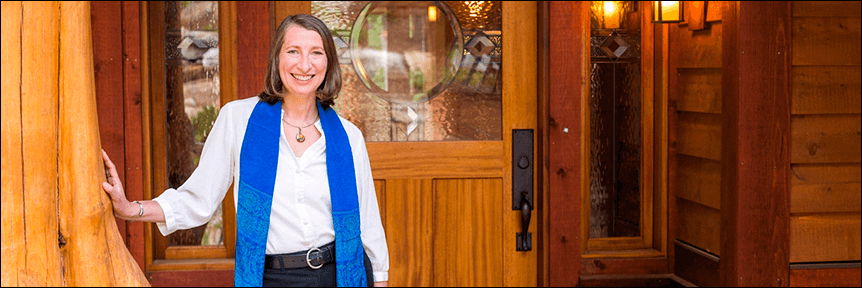
Sarah Susankais an American architect who gained recognition by focusing on building small homes suitable for ordinary people. She began offering homes with "soul" instead of gaudy, oversized "palaces." Her success came after the publication of her book, "The Not So Big House." Susanka is now the author of nine best-selling books on the topic, conducts seminars, gives various talks, and gives interviews.
Tom Wrightis a British architect who designed the Burj Al Arab in Dubai, UAE. He previously represented the architectural firm Atkins, which has completed 600 projects in 150 countries, before founding his own business, WKK Architects. Tom Wright currently works in Australia, the Middle East, the Far East, the United States, and Europe. His goal is to become a new force in global architecture by introducing innovation and unconventional solutions.
Alexander Stroykov is a Russian architect whose mission is to promote a new culture of real estate construction. He promotes himself as an expert, and his positioning is based on the Sage archetype.
Santiago Calatravaisa Spanish-Swiss architect who has designed futuristic buildings around the world. His style is sometimes described as architectural bionics (bio-tech).

Jean Nouvel is a French architect with a knack for combining colors, materials, and surfaces. His distinctive style is characterized not only by his original works but also by the harmonious integration of each building into the landscape.
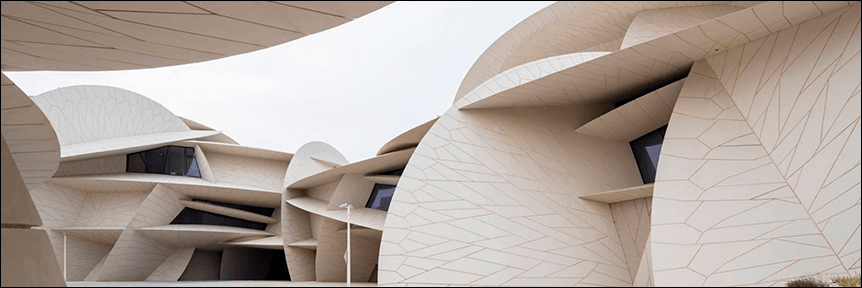
Dmytro Aranchiyis a Ukrainian architect working in the fields of algorithmic and parametric architecture and generative design. His goal is to design the future today. Aranchiy and his team are progressively minded professionals who have received awards in professional competitions and published their work in various publications. The young architect also lectures in Ukraine and internationally, and teaches at the Department of Information Technologies in Architecture at Kyiv National University of Architecture and Civil Engineering.
If you want to develop your brand on your own and need additional information, you can read literature or watch videos on the topic.
We suggest you read the following books:
Igor Mann "Number 1. How to become the best at what you do."
Thomas Peters, "Turn Yourself into a Brand! 50 Surefire Ways to Stop Being Mediocre."
Andrey Ryabykh and Veronika Kirillova (Nika Zebra) "Personal Brand: Creation and Promotion".
Ekaterina Kononova "Personal Brand from Scratch"
A personal brand is a powerful tool for building trust with your audience. Creating one is an interesting, albeit complex, process, primarily a search for meaning, as people choose not so much a service as an idea that resonates with them.
If you're looking to create a personal brand that showcases your unique personality and evokes positive emotions in your audience, you've come to the right place. Our team will help you highlight your strengths, build a strong connection with your audience, and enhance the value of your services or product.
How we work:
We listen to the customer’s requirements and wishes and agree on the details of the order;
We analyze the market, study competitors, and determine the needs and expectations of the target audience;
we develop brand strategy and positioning;
We prepare the visual component of a personal brand (website design, documentation, business cards, souvenirs, as well as a logo, corporate identity, corporate fonts, and social media design);
we create a pseudonym, slogan, legend;
we develop a brand book (brand description – mission, values, goals, philosophy);
We are engaged in promoting personal brands.
For a consultation and to clarify the cost of your order, please call us or submit an online request. You can also ask a question via the chat on the website.
Create a personal brand and grow your business through your individuality!