Receive a presentation of services and expert advice
The best experts in the industry will oversee your brand development process.
→ Need branding, design, or creative solutions? Call us at +48 505 648 022 or message us on WhatsApp.
 WeLoveBrands.pptx

The best experts in the industry will oversee your brand development process.
For most owners, a plant nursery is a hobby that has grown into a business. And for this business to gain momentum, of course, it needs clients. A striking visual identity will help attract customers and simultaneously stand out from the competition. In other words, you should create a plant nursery logo that will be memorable and enhance your company's image, turning your clients into repeat customers.
Consumers first notice the brand name on an advertising sign, or, if searching for a nursery online, on the website or social media. It then becomes visible on advertising brochures, business cards, souvenirs, and other media.
For a logo to be memorable and evoke positive associations with your company, it must be clear, attractive, and unique. Qualified specialists can help you create an original brand identity.
# 1 Company Identity . A logo created with the business mission, design trends, and special attention-grabbing elements in mind suggests the nursery's specialization.
# 2 Standing out from the competition . An original logo allows you to differentiate yourself from competitors and attract new customers.
# 3 Customer Loyalty . A memorable logo and quality service are the key to repeat business and long-term partnerships.

# 4 Increased trust . Having a company logo is a guarantee of quality and demonstrates the qualifications of its staff.
# 5 Pleasant associations . Developing a positive image of the company is important even during the customer's initial introduction to the nursery. A unique logo helps create a positive impression during the consumer's first interaction with the nursery, and using supporting elements in the logo design will increase sales and profits.
Developing a logo with a design agency involves visually conveying a company's trends, ideas, values, and mission. Furthermore, a high-quality logo simplifies the development of advertising and presentation materials and facilitates business promotion.
How can you tell a good logo from a bad one? It's important to consider whether it helps you achieve your goals. If so, you have an effective brand identity. If not, refine it or develop a new one.
Characteristics of a quality logo :
 Recognizability . Simple logos with a minimum of elements are easy to remember and evoke associations with the company.
 Uniqueness . Eliminates duplication in your niche and ensures a simple process for registering your logo and trademark as a company asset.
 Scalability . A well-designed logo looks equally good on a business card, outdoor advertising, and the nursery's website.
 Relevance . Good logos don't require reworking or redesign. They are created with popular trends in mind, which means they remain relevant for more than a decade.
Brand research shows that plant nurseries with a logo inspire more trust in customers than companies with just a name. And since visual imagery subconsciously influences consumer choice, a brand name should evoke positive emotions.
When developing your company's mission and logo, ask yourself what your nursery's visitors have in common. What unites them, and what differentiates them? After all, some grow plants for creative pleasure and satisfaction, others enjoy the labor of tending to the land, and still others plant various crops to beautify the grounds and emphasize their status.
Most people strive to create a harmonious space in their home or apartment, or to improve their yard or garden. For some, gardening is a hobby and a desire to consume organic food. For others, it's a way to improve their financial situation.
But no matter what their purpose, they are united by a desire to receive high-quality seedlings and seeds, soil and fertilizers, and, most importantly, qualified assistance and expert advice on growing plants.
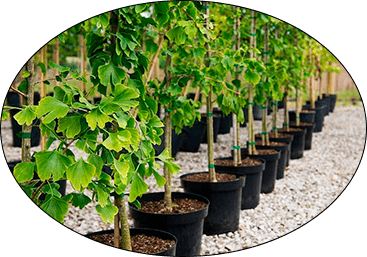
A good nursery isn't just a sales outlet. It's also a community of plant lovers. Therefore, it's important for the logo to inform customers about the company's activities and create a positive atmosphere from the very first interaction.
Nurseries are typically accessed by car, and to ensure easy access, information about the nursery is displayed on roadside posters and banners. This means that to attract attention, the logo must be easily legible and recognizable from a distance and at high speeds.
To create a logo that evokes emotion and builds trust, it's essential to choose the right design elements. Fonts, imagery, and colors are essential tools in logo design. Let's explore these further.
The main components of a good logo :
 The nursery's name can be related to the plant names and emphasize the business's specialization. However, it's important to avoid repetition and references to competitors' companies.
 The font should be legible . Minimalistic options are recommended. Individual letters can be designed as symbolic images of plants or parts of plants.
 Images reinforce and enhance a visual image . Modern nursery logos predominantly feature images of plants or plant parts, such as branches, flowers, and fruits. The design can be both naturalistic and symbolic.
When using such images, it's important to understand what they symbolize and represent. Schematic illustrations of the sun can also be used in combination with plant images. Designing a logo with a plant image that carries mystical or ritualistic meaning would be a mistake.
 Colors and shades . Shades of green, red, orange, yellow, or purple are most commonly used in this field, as are blue or light blue. For your logo, you can choose colors associated with nature, energy, and growth, as well as a combination of neutral and bright accent colors to attract attention.
A general rule for using colors in logos is to limit their use to two or three. It's important to keep in mind that red and orange can convey aggressive undertones. Therefore, they shouldn't dominate, but rather emphasize certain elements of the logo. These shades are often combined with more subdued ones.

Using symbols, colors, and fonts, you can engage your audience, evoke an emotional response, and increase loyalty to your company. After all, each element carries a specific meaning and influences the logo's perception in its own way. But conveying the idea also requires engaging design solutions—techniques that create a unique brand mark.
The main trend in logo design for plant nurseries is minimalism and simplification. This can be seen in company names, graphic elements, and color schemes.
Reducing the number of details and colors used makes the logo easy to remember and easier to recognize.
Another trend is rounded fonts. Shapes close to the circle are often found in nature and are perceived as harmonious, which is why they are so popular in this field.
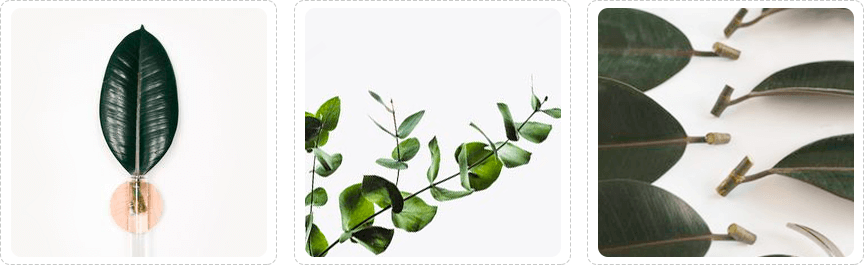
When developing logos, designers are increasingly turning to neuromarketing tools. These tools help create logos that are eye-catching even from a distance, memorable, and stand out from competitors' logos.
WeLoveBrands designers carefully study the business's niche, competitive advantages, and target audience to create original logos, identities, and other visual elements.
The logos of Ukrainian nurseries use:
soft, rounded letters in the name combined with a symbolic image of a lush tree;
flowers with pronounced national symbols and shades;
shades of green – from soft pastel to bright emerald;
names or surnames of business founders, Ukrainian names of flowers and plants, as well as derivatives of the English and Latin words garden, flora.
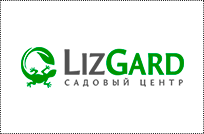

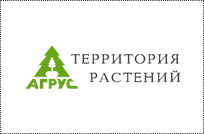

All logos are distinctly friendly, designed in predominantly soft tones with accent details.
Long-established nurseries can use logos with traditional elements: complex fonts, vibrant images of trees, flowers, and bushes, as well as their parts. Black and white logos are also possible.
Younger companies use simple logos. Their plant images are schematic and simplified as much as possible. Names are written in light, often slanted, stylized letters. Green is the predominant color, but muted red, orange, and yellow are also common. The main idea behind nursery logos is to create a positive impression from the very beginning of a person's acquaintance with the company.
In Asia, combination logos are most common, consisting of the nursery name and traditional images of the niche (branches, leaves, flowers, and buds). Many also include hieroglyphs, images of lotuses, cherry blossoms, and exotic plants.
Large companies and modern nurseries are creating minimalist font logos. These logos look stylish and convey status.
The most common colors are green and red, but pink, yellow, orange, black, etc. are also used.
Today, there are numerous services available online for self-designing logos. This method saves money, but it doesn't allow you to create a unique logo.
To create an effective brand identity that will differentiate your nursery from the competition and engage your audience in your products, you need to seek professional help. You have two options:
Order a logo from a freelancer . This method is relatively inexpensive (on average, $30-40, but can be more expensive), but to avoid regretting your decision, first review the specialist's portfolio and find out if they have experience creating logos in this niche.
Ordering a logo from a design company is the most reliable option . When creating a logo, specialists draw on experience and knowledge in design, marketing, and consumer psychology. They study both traditions and the latest trends. This is done to develop a brand that inspires trust and enhances your company's image. Therefore, the cost of this service is slightly higher – starting from $150.
Before creating a logo, WeLoveBrands studio designers study the company's industry, mission, and goals, competitors, and target audience to ensure you receive an original, recognizable, and scalable logo. It will look equally good on advertising signs, printed materials, and online.
Need a designer consultation? Want to order a logo for your plant nursery? Call us or chat with us on our website.