Receive a presentation of services and expert advice
The best experts in the industry will oversee your brand development process.
→ Need branding, design, or creative solutions? Call us at +48 505 648 022 or message us on WhatsApp.
 WeLoveBrands.pptx

The best experts in the industry will oversee your brand development process.
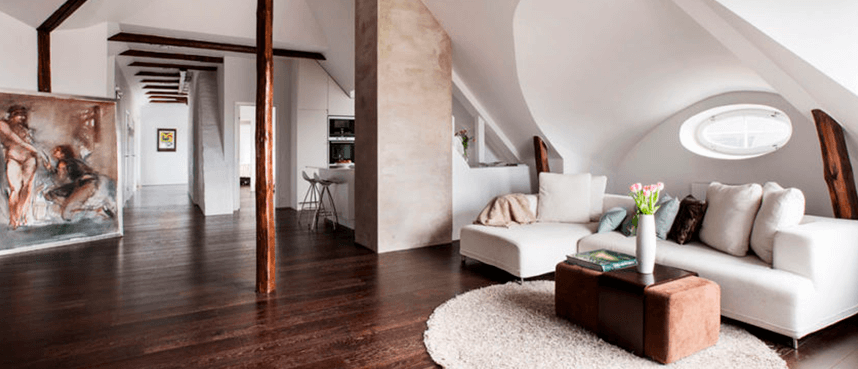
The unique Scandinavian style is so appealing that it has become renowned not only in its homeland but throughout the world. Currently, Scandinavian design is extremely popular due to its simplicity, expressiveness, and versatility (it's suitable for use in interiors and architecture, as well as clothing and graphics).
Scandinavian design best suits the measured lifestyle of the calm and peace-loving inhabitants of Northern European countries: they treat nature, personal space, and details with care and respect.
The Scandinavian style is characterized by:
 calm color scheme with clearly defined accents;
 simple lines;
 use of geometric shapes and patterns;
 wide use of natural materials.
Advantages of Scandinavian style :
high practicality;
functionality;
rational use of space and color;
organic and natural final result.
As its name suggests, Scandinavian style originates in the countries of Northern Europe. It was here, back in the early Middle Ages, during the Viking Age, that its traditions, oriented toward the elegant simplicity of objects and the folk roots of northern art, emerged.

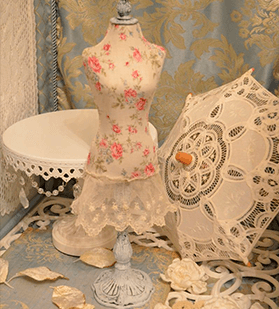
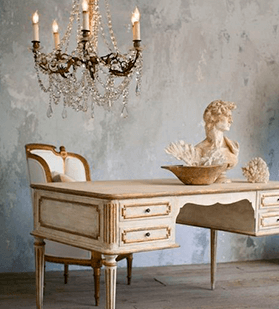
The Scandinavian (or "Gustavian") style emerged as a distinct phenomenon during the reign of King Gustav III of Sweden (1771/72-1792). Interiors of that era were distinguished by light, clarity, and translucency of tone.
The Gustavian style gained new momentum in England in the mid-1980s, when shabby chic, with its touch of romanticism and elegance, came into fashion.
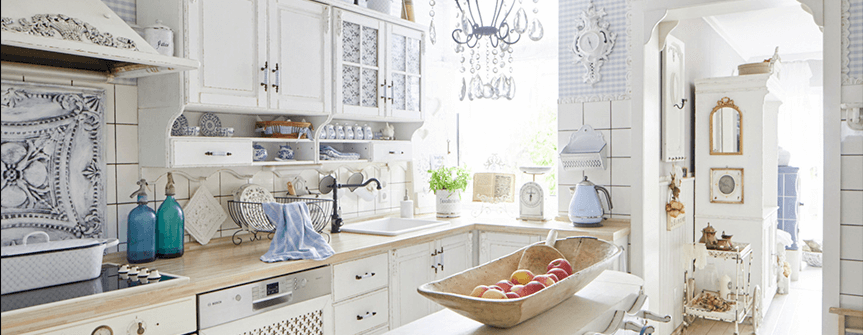
In design, the Scandinavian style is distinguished by:
Clear lines and shapes.
Simplicity.
Use of light.
Minimalism.
Pure color schemes.
Inspiration by nature.
Use of handmade and craft items.
Scandinavian design is ideal for businesses that value practicality, naturalness, eco-friendliness, simplicity, and affordability. These include companies in the furniture and food industries, restaurants, travel agencies, health resorts, dental clinics, and so on.
If your brand is positioned as high-tech, luxury, dynamic, and innovative, it's better to commission a design in a different style.
Scandinavian design features pure shades , avoiding translucent elements, color blends, or gradients. The style's characteristic light palette creates cozy, elegant neutral combinations, while the addition of vibrant accents helps highlight individual details.
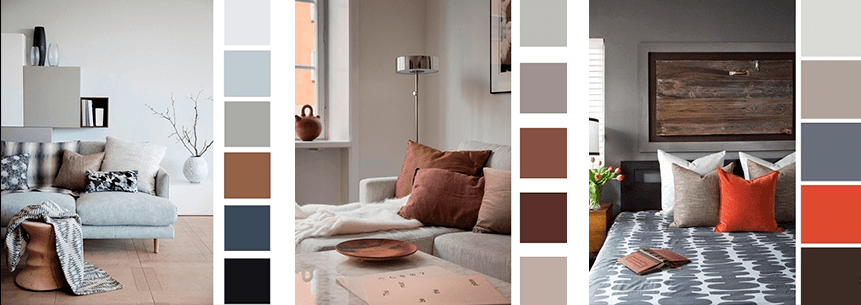
It is recommended to use simple and modern sans-serif fonts such as San Serif, Sweden Sans, Helvetica, which have a lot of negative space between the letters .
The primary goal of Scandinavian designisto create a product that is as user-friendly and accessible as possible. To this end, typography or color schemes are often used as the basis. Ultimately, a design with Scandinavian influences conveys a sense of calm and comfort.
Scandinavian graphics feature clear lines and shapes. These, combined with a pastel color palette and subtle patterns, create a design that feels modern and rich, yet uncluttered.
In the creation of posters, advertising brochures, and photographs, one can observe the use of images reflecting the results of so-called craft techniques (embroidery, appliqué, origami, wood carving, etc.). In photography, designers often use light and light contrast to highlight the details of an object, highlighting its shapes and colors.
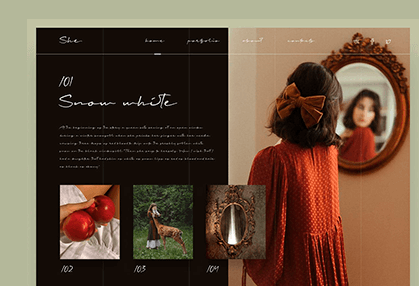
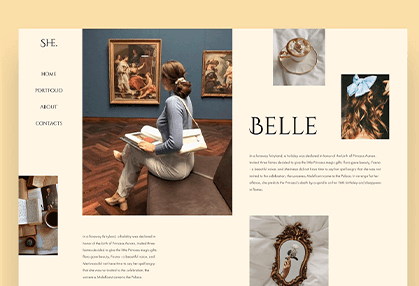
Scandinavian-style illustrations utilize a minimalist approach (meaning all details and elements that don't serve a meaningful or functional purpose are discarded). Illustrations are simplified to basic geometric shapes, the use of uniform colors, and the replacement of images with abstract figures whose shape, color, and overall composition help convey a particular image through the design.
The logo's color scheme is dominated by light, simple, and pure colors: white, light blue, light gray, light pink, and shades of beige. Yellow, orange, blue, and olive green are acceptable accents.
The use of artisanal techniques is typical of Scandinavian-style corporate identities and logos. Natural textures can highlight the naturalness and eco-friendliness of your company's products.
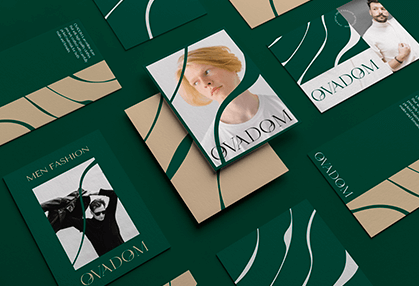
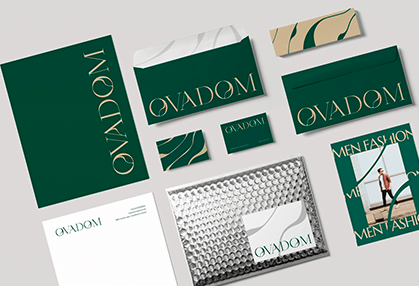
Scandinavian-style packaging features images using geometric shapes, contrasting patterns, and lines. Clear rhythm and structurearehallmarks of Scandinavian design.
Typically, a single work utilizes one or more geometric shapes, which are used to create a decorative element using a variety of shapes and colors. Object design also typically includes images illustrating the results of handcrafted techniques.
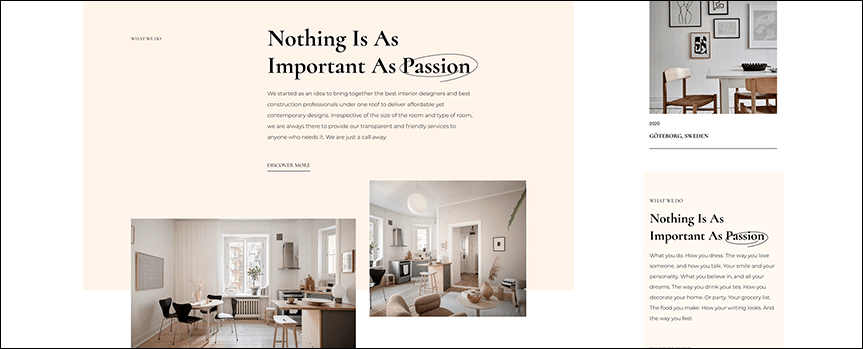
Light is considered one of the key elements of Scandinavian-style web and social media design. Furthermore, the entire design is based on renderings of natural materials.
If your company makes furniture, home goods, or natural cosmetics, wood images are welcome in your website or social media page design. This pleasing natural material adds warmth and comfort to Scandinavian design.
A characteristic of Scandinavian people is their love of spending time outdoors, even during the cold season, when the sun rarely shines. This cannot be said of Ukrainians. Therefore, due to cultural differences, the Nordic style, although it penetrated into Ukraine, was not particularly popular in our country.
Nowadays, the Scandinavian style is used not only in furniture design, but also in the development of websites, web applications, corporate identities and logos, packaging design, and social media pages.
Residents of Scandinavia (Denmark, Sweden, Norway) have a particular affinity for the Scandinavian style, which reflects their love of nature, conditioned by the relative geographical isolation of these northern European countries. This love is evident in environmental laws and green architecture, as well as in design.
In 1914, the magazine " Skønvirke " began publishing in Denmark , inspired by the traditions of local artisans. Everything it dictated (subtle natural forms, elegant lines, and color combinations) fit perfectly with Scandinavian aesthetics.
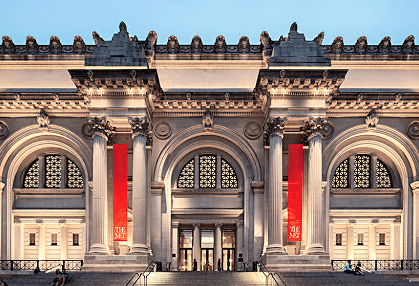
Exhibitions played a major role in the spread of Scandinavian design in Europe and America. For example, in 1930, one of the first European exhibitions, which showcased the rise of functionalism, took place in Stockholm. Another important date was 1960,when an exhibition of Danish art was held at the Metropolitan Museum of Art in New York.
Even today, in many areas of Swedes, Norwegians, and Danes' lives, one can see forms, natural materials, and textures inspired by nature in all its natural beauty (plant leaves, tree bark, mountain peaks, etc.). This is especially true in product design, where preference is given to wood and stone in light and light gray shades.
For Scandinavian style design development, you can choose:
Freelance designers - this option, on the one hand, will allow you to save 2-2.5 times, which is a plus, but on the other hand, there is a high probability of not getting the result and not in the time frame that you expect;
Web studio designers — in this case, a formal contract is signed with precise deadlines and service costs, guaranteeing you an attractive design that enhances trust in your product.
Freelance specialists are ready to create Scandinavian-style designs starting from 10 $ for packaging, 30-50 $ for logos, and 60 $ for websites. Meanwhile, studio services are priced higher: from $20 for print design, from $130 for corporate identity design, and from $150 for logo design.
To order a Scandinavian-style design from the specialists at WeLoveBrands, send a message in the chat on the page or contact us by phone.