Receive a presentation of services and expert advice
The best experts in the industry will oversee your brand development process.
→ Need branding, design, or creative solutions? Call us at +48 505 648 022 or message us on WhatsApp.
 WeLoveBrands.pptx

The best experts in the industry will oversee your brand development process.
According to research and marketing forecasting company DFC Intelligence, over 3.1 billion people, or 39% of the population, play computer and mobile games. Global gaming industry revenue in 2019 exceeded $175 billion. The gaming market has already surpassed the film industry and is catching up with the sports market.
According to forecasts from analytical agencies NewZoo and Superdata, the gaming industry will continue to experience steady growth in the long term. It is currently one of the fastest growing markets in the world.
Computer games have become an official sport with all the attendant trappings—championships, team budgets, sponsors, and advertisers. Video games are becoming an advertising platform for the most lucrative audience—young people and middle-aged adults. As revenues for companies developing computer entertainment products grow, competition among them intensifies. Hundreds of new gaming programs appear on the market every day. Everything matters when launching a project: the plot, the graphics, the marketing strategy, and a successful game logo .
What's the first thing that draws players to a game? It's the unique, emotional, and dynamic logo. It's what players are likely to see first when deciding whether to click "Play."
Key objectives of a computer game logo :
 To interest the gamer.
 Provide information about the game genre and its main features.
 Outline the age limits and interests of potential players.
 Evoke positive emotions.
 Stimulate loyalty and increase trust.
A good logo helps users quickly find the right game among the numerous icons on their devices. It also builds the developer's reputation and helps monetize the product.
When creating a video game logo, it is necessary to formulate a strategy and concept, as well as carefully design it.
A quality logo follows common design standards :
 Uniqueness – helps to distinguish the logo from others.
 Informativeness – allows you to convey a message to the audience and communicate key information about the game.
 Versatility – makes it possible to use the logo on all types of objects (from a website or social media avatar to branded T-shirts or outdoor advertising).
 Recognizability – helps to recognize the game in a split second and also evokes strong associations with it.
 Trust – ensures that gamers will recommend your product to their friends and acquaintances.
Technically, mobile and computer games are programs that facilitate interaction between one or more players, or with an artificial intelligence algorithm. They are based on unique visuals, sound, and special effects. Elements of a product logo should be a continuation of this visuals. The tools that evoke associations between the logo and the game include color, font, and graphic elements.
Choosing a video game is rarely based on logical reasoning. Almost always, the decision is made quickly and emotionally. Color is the first thing the human eye perceives. Within a split second, the first subconscious decision is made, and only then does the analysis kick in.
Depending on their genre, games can be roughly divided into several large groups. How do game genre and logo color interact?
Here are some tips for choosing a color :
# 1 Shooters are based on eliminating enemies using various weapons. The color scheme of these games is predominantly dark. For logos, it's best to use black, shades of brown, red, gold, and dark gray, close to black.
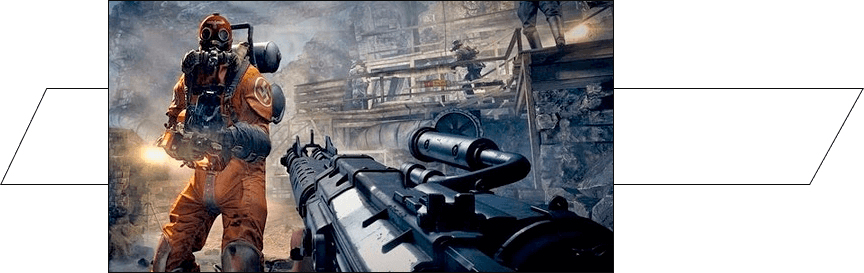
# 2 Fighting games are projects where players try their hand at fighting in various styles. Optimal logo colors include red in various shades, as the color of strength, energy, and aggression, and orange and blue, as energetic colors.
# 3 Strategy games are games that require players to plan and develop a specific strategy. In such games, they make a series of decisions based on analysis and experience. The choice of colors in strategy game logos depends on the theme, as well as the age and gender of the players.
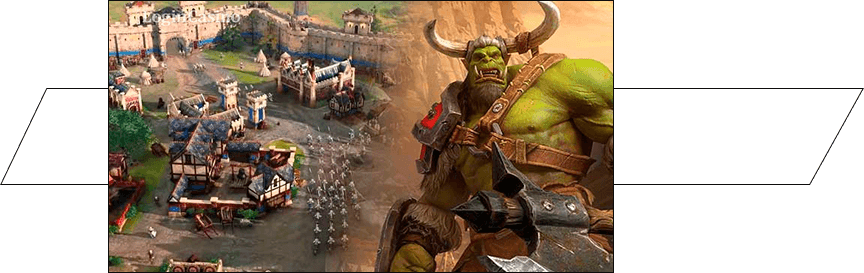
# 4 Simulation games simulate the control of various vehicles: airplanes, cars, motorcycles. In sports simulators, the participant manages a team. Logo colors for this genre range from black, dark gray, and all shades of red to green, blue, and yellow. The choice depends on the type of vehicle or sport.
# 5 In role-playing video games, the player controls one or more characters and directs their actions. Artificial intelligence (AI) is also possible. Dark shades of blue and red, as well as gradient techniques, are most commonly used.
# 6 Adventures involve moving through the story and interacting with the environment. The choice of emblem colors most often depends on the environment in which the story unfolds.
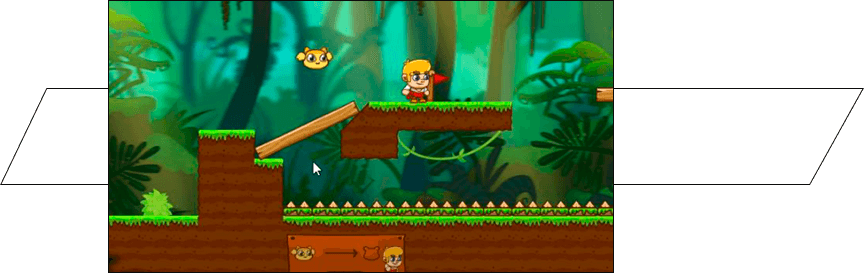
The logo's color should match the overall character and tone of the game's visuals. Projects with dark or mysterious plots typically use black, brown, dark shades of red, blue, and purple. Logos for vibrant adventure games typically use blue, yellow, green, orange, and light shades of red.
Game logo designers resist the general trend toward simplification and minimalism. Logo designs often employ complex, heavy, decorative fonts or serif styles. In this way, designers strive to convey the character and atmosphere of the game.
Role-playing game and shooter emblems often feature vintage Gothic lettering. To add maximum drama, designers add dents and bullet holes. The lettering color often resembles antique gold.
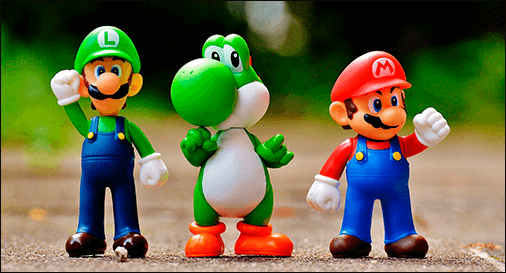
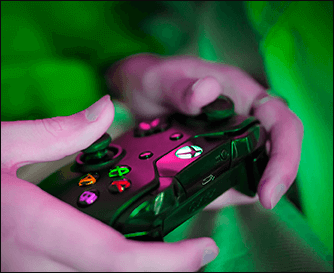
Horror games typically feature letters that resemble scratches or bloodstains. Adventure and action-packed game logos often feature slanted fonts with elements that emphasize speed and movement. Soft, friendly fonts in attractive colors can be found in games for younger children and in games aimed at women.
Striking examples of computer game logos prove that a text-based logo can be anything but boring. Lettered emblems are instantly recognizable and can inspire any graphic designer.
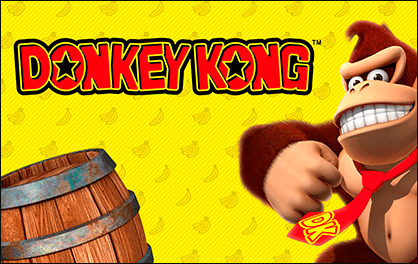
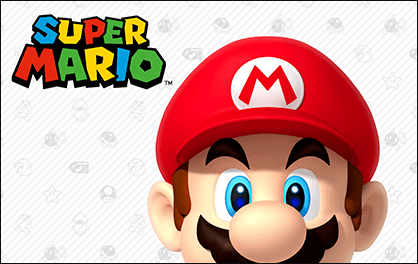
The cheerful, colorful cartoon logo of Donkey Kong—one of the pioneers of the new wave of games of the early 1990s—matches the comedic action and personalities of its lovable characters. The bold, multicolored Super Mario logo features cartoonish lettering. It's easy to read and conveys a sense of movement and the character of the game's hero.
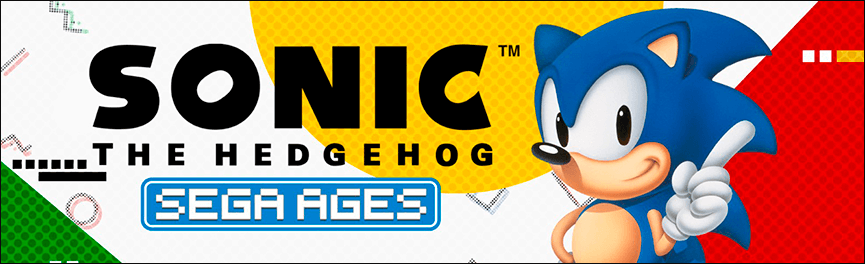
Sonic the Hedgehog, Super Mario's main rival and competitor, also avoided graphic design in its logo. If you look closely at the circle inside the letter "O" in "Sonic," you'll notice it's quite tilted. This references the character's shape and his "Spin Dash" move (an iconic gameplay element when he gains speed). Look at the letter "C," and you'll see a repetition of this effect. This detail adds a personal touch to the logo that fans of the game have come to appreciate.
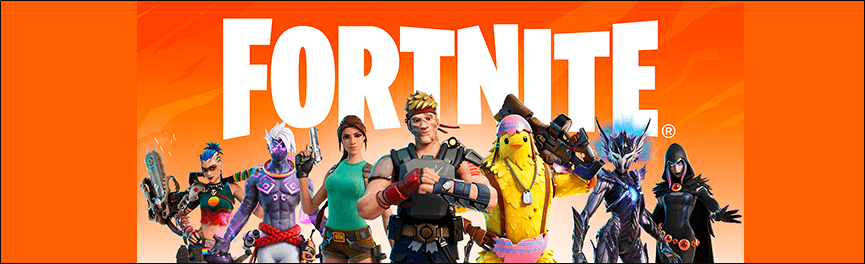
The popular game Fortnite straddles the line between casual and "serious" gaming. This is emphasized in the letterform logo, which conveys a casual atmosphere for a school-age audience.
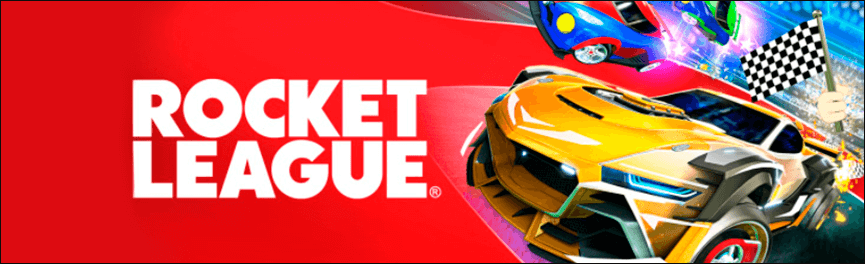
The Rocket League logo features an easy-to-read title and a blue shield with a racing car and ball. This visual symbol communicates the game's content, where players shoot balls into goals while driving cars. The curved lines evoke the track and the image of a car in motion, adding dynamism to the logo.
WeLoveBrands designers came to the conclusion that a game logo can be both text-based and a combination of both. The key is to convey the game's character, concept, genre, and atmosphere.
The trend toward extreme simplification has affected game logos the least. Changes to the emblems of well-known companies, banks, and various organizations are intended to emphasize positive changes and the company's relevance to the times. Game owners, for their part, approach these changes with great caution.
Millions of gamers value tradition and disapprove of radical changes to the logos of their favorite products. Typically, modernization of game logos consists of minor tweaks and subtle changes to colors or fonts.
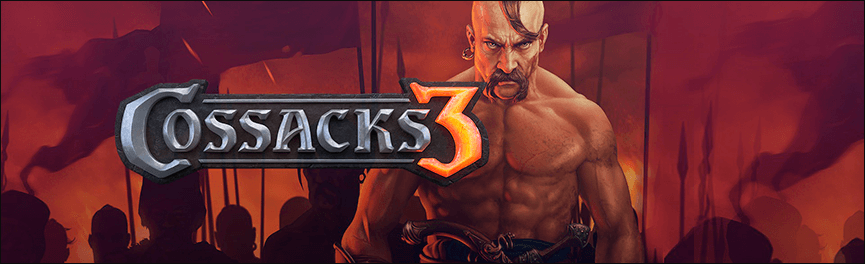
The global gaming community has long recognized the contribution of Ukrainian developers to the computer gaming industry. Cossacks held top sales positions in the UK, Germany, and France for months. Apple named the Ukrainian game Contre Jour "Game of the Year 2011" for iPad, and in 2012, it received an award and a diploma at the 8th International Mobile Gaming Awards Ceremony in Barcelona.
Warface has set a world record among online shooters for the number of players simultaneously on a single server. This achievement was made possible by its engaging and dynamic storylines, high-quality graphics, and distinctive logos.
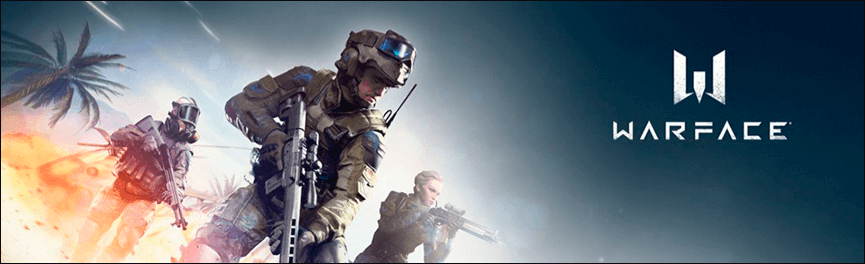
The chopped, lead-like font of the Cossacks logo emphasizes the steely will of its characters. The soft and captivating style of the Contre Jour logo harmonizes with the graphic design of one of the most beautiful games, drawing you into a world created by the interplay of light and shadow. The clear, steel-like name and emblem, featuring a shield and menacing, sharp wings, reflect the aggressive nature of Warface. The logo's blurry effect matches the dark atmosphere of the renowned Ukrainian shooter, Stalker.
The logo of the classic fighting game Street Fighter, a top-selling title, features flames in a heavy metal style. It represents the energy of fire. Minecraft's text logo conveys the game's plot, set in a world reminiscent of a digital version of Lego. The logo appears to be composed of cobblestones. The letter A symbolizes the so-called Creepers—enemies that attack the player.
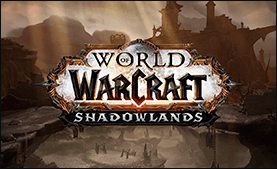
World of Warcraft launched over 15 years ago. It remains one of the most popular multiplayer role-playing games today. The logo, inspired by medieval art, has also graced book covers, board games, and fantasy movie posters. The design has stood the test of time and, with the exception of a few minor updates, remains unchanged.
The rich visual language of logos requires skilled designers to create a mark that will attract millions of gamers to the game.
Computer and mobile games are the product of boundless imagination, creativity, and painstaking work. A successful game logo will ensure popularity and sales, while a weak one will turn the product into an outsider in the gaming market.
The cost of developing a logo in a studio ranges from $150 and up. Depending on the pricing plan, the process may include a varying number of layouts, revisions, and turnaround times.
Before starting logo development, designers at specialized studios conduct target audience research, study video footage, and analyze the strengths and weaknesses of competitors' logo designs. All of this is necessary to develop a sound concept and create an effective logo for your game.
A logo designed byWeLoveBrands is guaranteed to match the spirit of the game and attract a large audience of gamers. Contact us by phone or chat to share your logo idea, get a consultation, and start collaborating!