Receive a presentation of services and expert advice
The best experts in the industry will oversee your brand development process.
→ Need branding, design, or creative solutions? Call us at +48 505 648 022 or message us on WhatsApp.
 WeLoveBrands.pptx

The best experts in the industry will oversee your brand development process.
Minimalism is a popular style worldwide. It's found everywhere—in interior design, clothing design, art, website and social media design, corporate identity, and logos. Its popularity stems from its simplicity, aesthetics, and functionality.
Many companies are currently striving to simplify their designs to make information easier to digest, attract consumer attention, and generate interest in their products. This article will explore how minimalism can help achieve these goals.
Minimalism (from the Latin minimus, meaning smallest) is a design style characterized by simplicity, expressiveness, and elegance. It emerged in response to the popular craving for luxury and pomp.
The style embodies simplicity and functionality. It conveys ideas through a minimal number of elements and utilizes simple geometric shapes, neutral tones, and natural textures.
Minimalist design attracts attention and is easily remembered, which is important for the promotion and popularization of any brand. When looking at such a website, product packaging, or logo, the audience is not distracted by details, but focuses on the essentials. Consumers easily remember the brand and then find it easily among the many others on the market.
Minimalism has been trending in graphic design and identity for several years now, and it's no surprise. Despite its simplicity, the style is striking and helps create intriguing designs.
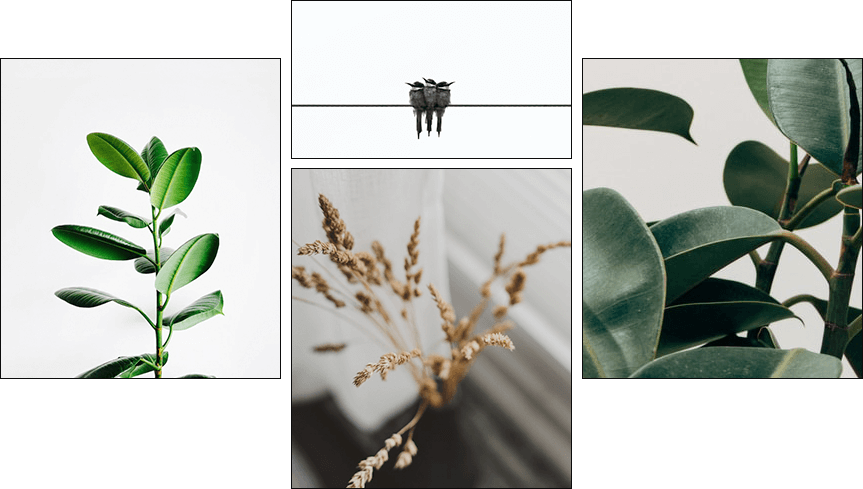
This style emerged in the United States in the 1960s, but the first minimalist trends emerged as early as the 1920s. Back then, designers sought to move away from pomp and circumstance, seeking to convey emotion using only the most essential elements.
This approach quickly found a response in the hearts of consumers, and gradually minimalism penetrated all areas of life (clothing design, interior design, art, graphic and web design, identity, etc.).
Minimalism reflected a saturation with luxury and soon replaced Art Nouveau, which after World War II was associated with the bourgeoisie and evoked negative emotions.
The main goal of the new style was to ensure maximum comfort with a minimum of details and a clear organization of space.
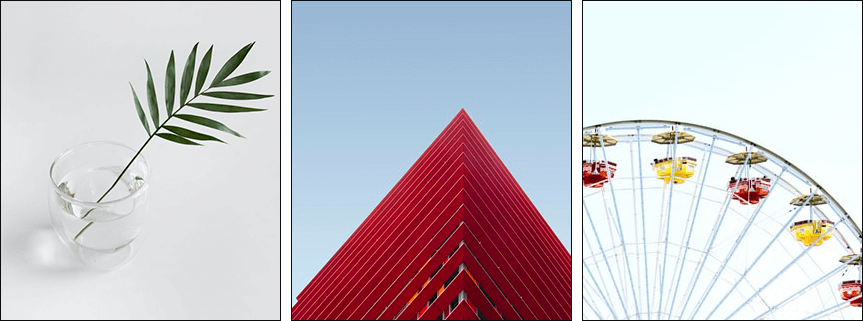
As for European minimalism, it drew ideas from the Japanese style, which was actively used in architecture and design in the post-war period and attracted attention with its simplicity and lack of unnecessary decoration.
Constructivism also contributed to the development of this new movement. From it, minimalism borrowed its strict lines, laconicism, and geometry.
The emergence of this style also changed the lifestyle of many people. They began to strive for simplicity, reliability, and naturalness.
The basic principle of style is the simpler, the better. But simple doesn't mean boring, and simplification isn't as easy as it might seem at first glance.
Despite the lack of embellishment and clutter, designers must possess a certain amount of knowledge and skill to convey the main idea in a design using a limited number of elements.
With the right combination of all components, the design of a logo, packaging, website, etc. will be impressive, stylish, memorable, and will highlight the company's status.
Style loves:
But excessive decor, a clutter of details, spirals and ornate elements are taboo for minimalism.
This style can be used for any type of business, but is particularly common in the pharmaceutical and cosmetics industries, as well as in the industrial sector.
To ensure a minimalist design style enhances a company's image, it's essential to maintain balance and use a harmonious combination of colors when selecting elements. To attract attention, you can also play with contrast, highlighting a key element with a bright color or an unusual technique.
This style is great because it allows you to create a stylish and attractive design with minimal details. Despite the lack of decorative elements and various design features, the image is captivating and impressive.
To achieve the desired effect and avoid a design that is too simple, boring, or banal, you need to use your imagination and select all the elements correctly.
 Color
Shade creates a mood and evokes certain associations. This style often uses one, or at most two, colors. In a two-tone design, one of the tones can serve as an accent.
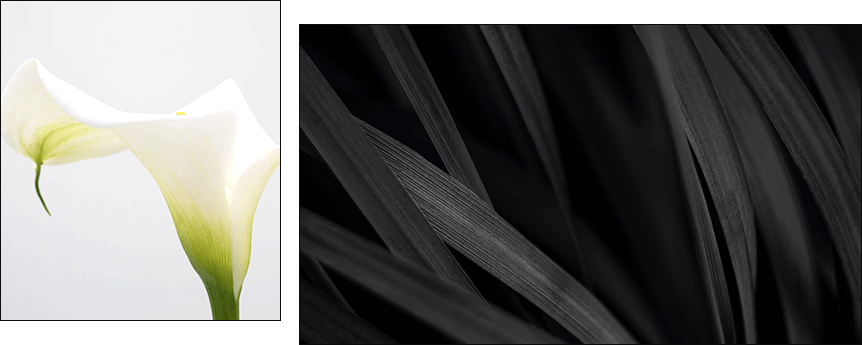
The most popular shades are white, black, and gray. But if you want to play with contrast, choose a bright color to complement a neutral tone. Just remember that the shades you choose should not only complement each other but also evoke the desired emotions and associations.
 Typography
Fonts can make or break a company's personality. To attract customers, choose expressive fonts and highlight keywords.
Minimalism involves using 1-3 fonts. Their choice depends on the message you want to convey to your audience and the business's theme.
Whatever font you choose, remember that it should be simple and legible. Sans-serif fonts are most commonly used, but to increase recognition and create interesting accents, you can play with indents, text segments, and composition.
 Symbols
Although minimalism isn't particularly fond of images, they are worth using. Just be sure to choose unique and clear images that will help convey the core idea and highlight the company's uniqueness.
To differentiate yourself from competitors, attract attention to your product, and increase recognition, you can use unconventional images and symbols in your design.
 Space
Minimalism requires space, so all elements should be placed in such a way that they do not feel cramped.
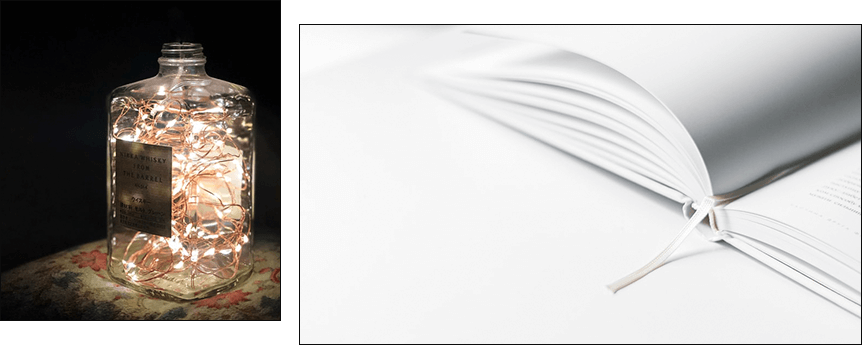
This composition will help improve information comprehension and highlight important details. Removing unnecessary components creates a sense of calm and makes the message clearer and more understandable.
Each element in minimalist design has a specific meaning, so they shouldn't be thrown together haphazardly. Communication with consumers should be concise, using only as much text as necessary to properly understand the information.
All elements should work harmoniously together, so avoid overloading the design with text or heavy details. However, if they are absolutely necessary, create space around them to create balance. This will create a light and harmonious design.
Minimalism isn't just about simplicity. Simplicity should reflect the message you want to convey to your audience. This doesn't require using every element in your design. Simply choose the option that best showcases your company's strengths and emphasizes its individuality.
For a vibrant and striking design, contact WeLoveBrands. Our designers will listen to your needs, explore multiple ideas, and utilize a variety of techniques and best practices to ensure you receive a design that's effective for your business.
Minimalism is actively used in graphic design , when creating logos, brochures, advertising posters, book illustrations, etc.
The popularity of this style is explained by the fact that it allows you to quickly and accurately convey the desired message to the audience, while still looking impressive.
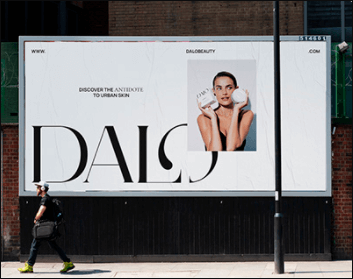
@ Studio Impulso
Minimalism in graphic design emphasizes aesthetics, simplicity, functionality, and ergonomics. Designs can be simple, creative, serious, or playful—it all depends on the specifics of the business and the target audience.
Key components of minimalist style are color and contrast. Interesting color combinations and the use of contrasting tones help attract audience attention and convey a company's character. Therefore, minimalism is actively used in corporate identity development and logo creation .
Style allows you to express your brand's uniqueness and emphasize aesthetics, simplicity, and high quality. It communicates the essentials with minimal effort and requires no further explanation.
Minimalist logos look modern, elegant, and prestigious. They're easy to remember and help distinguish a company from its competitors.
It is therefore not surprising that large companies and global brands are increasingly choosing simple and clear logos and corporate identities without unnecessary decoration and pomp.
Consumers are so overwhelmed by information that they've learned to ignore it. Therefore, in pursuit of customer loyalty, manufacturers are increasingly moving away from flashy packaging, opting for simple, clear, and stylish designs.
By not cluttering labels and packaging with unnecessary details, brands also free up consumers' brains. Simple design stands out, attracts attention, and makes information easier to digest. As a result, people immediately see the essence and make purchasing decisions more quickly.
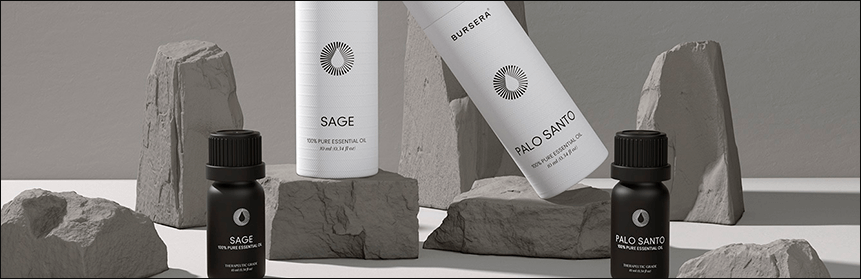
@ Alejandro Gavancho
High-quality minimalist design evokes purity and naturalness. It's aesthetically pleasing, instantly memorable, and helps emphasize a company's individuality.
Minimalism is a trending direction in website design and the design of personal and commercial pages on social networks.
Such websites not only look stylish and attractive, but are also highly functional and easy to navigate. Pages, uncluttered, load quickly, facilitating rapid searches and increasing conversions.
Minimalism is a great solution for landing pages, news sites, gaming platforms, online stores, corporate portals, and blogs.
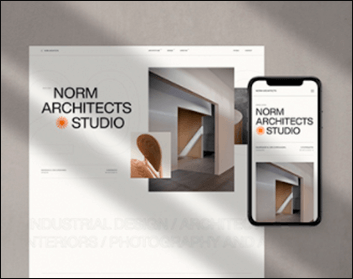
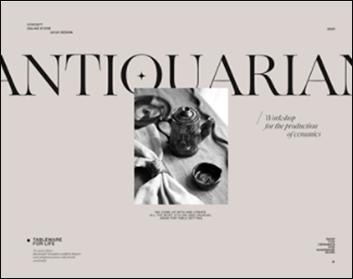
A minimalist style in SMM design helps you effectively design pages, create interesting accents that attract user attention, and create the desired image in the minds of consumers.
The minimalist design style emerged in the United States in the mid-20th century, but its first manifestations were seen in Europe in the 1920s.
The Dutch artists' society "Style" had a huge influence on the development of this movement. Its representatives adhered to the principles of purity, concreteness, and simplicity in their work.
The development of minimalism was also influenced by the German Bauhaus institute, founded in 1919. It featured innovative and daring designers who sought to subordinate form to meaning and decided to reject aesthetics and opulence in architecture. They began using simple forms and minimal details, and these principles soon became the foundation of the new style.
Gradually, the main features of Bauhaus spread to other European countries, and minimalism reached its peak of popularity worldwide in the 1960s.
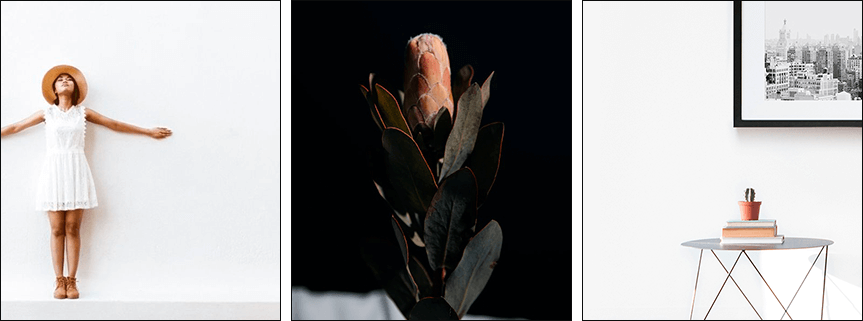
In Ukraine, however, the situation is different – this style is just gaining momentum here.
During the Soviet era, design development was linked to politics and propaganda, but after its collapse, designers began to pay attention to European and global trends.
In the 1990s, classic and country styles were favored. After the monotony and drabness of the Soviet era, luxurious and vibrant designs were particularly popular. Simplification, however, arrived relatively recently, with the renewed popularity of minimalism in Europe in the early 2000s.
After this style emerged in Ukraine, it didn't immediately become a trend. Interest in simplicity, a lack of decoration, and geometric shapes gradually emerged, peaking in 2010. Since 2015, minimalism has been trending in Ukrainian design.
The fashion for minimalism in Europe began in the mid-1960s. People were tired of the pomp and circumstance popular in the 1950s, so simplicity, naturalness, and calming tones became increasingly popular.
Geometry and simplicity began to replace luxury and pomp, and minimalist design was perceived as original and therefore attracted increasing interest.
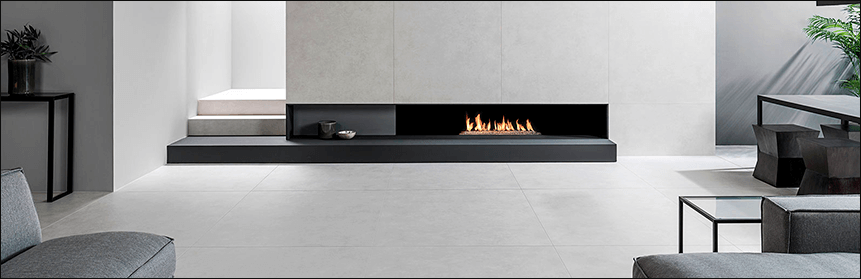
Initially, the style was popular in architecture, construction, interior design and art, but soon spread to other areas, year after year filling all areas of life (clothing design, graphic and web design, logo and corporate identity development, etc.).
This style was especially in demand in Western European countries (in particular, in the Netherlands, Germany and Switzerland), the USA and Japan.
The first brand to use minimalism in product design was Braun (Germany).
In the United States, the style was actively used in architecture and art. Designers and artists used natural materials in small quantities, negative space, and repetition.
In Japan, minimalism became a trend after World War II. Back then, people wanted homes that were not only beautiful and cozy, but also safe. Due to the threat of earthquakes, lightweight, simple structures with screens made of bamboo and paper began to be built. These buildings were less susceptible to tremors and were quicker to rebuild after damage.
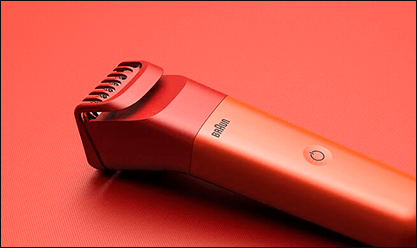
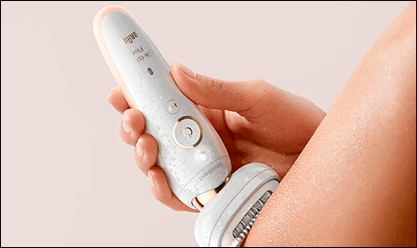
Minimalism then found its way into the interior design of Japanese homes (open spaces, smooth surfaces, geometric shapes, neutral colours, natural materials, minimal furniture and no decor), and then spread to other industries.
After the minimalist boom of the mid-20th century, this style faded somewhat. Other interesting trends began to emerge in its place.
Minimalism experienced a renewed surge of popularity in Europe and around the world in the early 2000s. Since then, interest in this style has waxed and waned, but for several years now, it has remained a trend, considered an international one.
You can order logo designs, product packaging, websites, advertising materials, and promotional items from a freelancer or a design studio. Each method has its own advantages and disadvantages.
If you want to save money, look for a freelance designer. Freelancers typically charge less than professional studios, but the results can also be less impressive (simple or low-quality designs). To avoid risks, invest time in searching for a specialist and carefully review their portfolio.
The cost of developing a logo as a freelancer starts from 30 $ (depending on the region, experience, and workload of the designer), a website – from 50 $, packaging – from 10 $.
If you're looking for a high-quality, unique, minimalist design that meets your business needs and the expectations of your target audience, it's best to entrust the development to professionals, specifically a design studio.
Services at these studios are more expensive than freelancing (logo design starts at $150, printing starts at $20, and corporate identity starts at $130), but there's no risk. Designers value their reputation, so they'll deliver the project on time and create a design that complements your company's image.
WeLoveBrands Studio employs a team of designers who are skilled in their craft, possess a keen imagination, and are adept at bringing a wide range of ideas to life. This ensures you'll receive an emotional and stylish design that aligns with your business goals.
The design development price depends on the number of options developed, the deadline, and the type and complexity of the work. For more details and a full quote, please call us or leave a message in the chat.